Epitaphs and Graveyards
Restrained to the point of pathology, the British yet left behind in their wake thousands of eloquent memorials, most commonly in graveyards but often, too, on public buildings and memorials of every sort. Here is an assortment of funerary inscriptions photographed at Murree (now Pakistan), Hissar, Lucknow, Patna, Shorapur, Trichy (Tiruchchirappalli), Madras, and Kodaikanal. Only one of the stones is of someone famous: Henry Lawrence, on the grounds of the Lucknow residency.
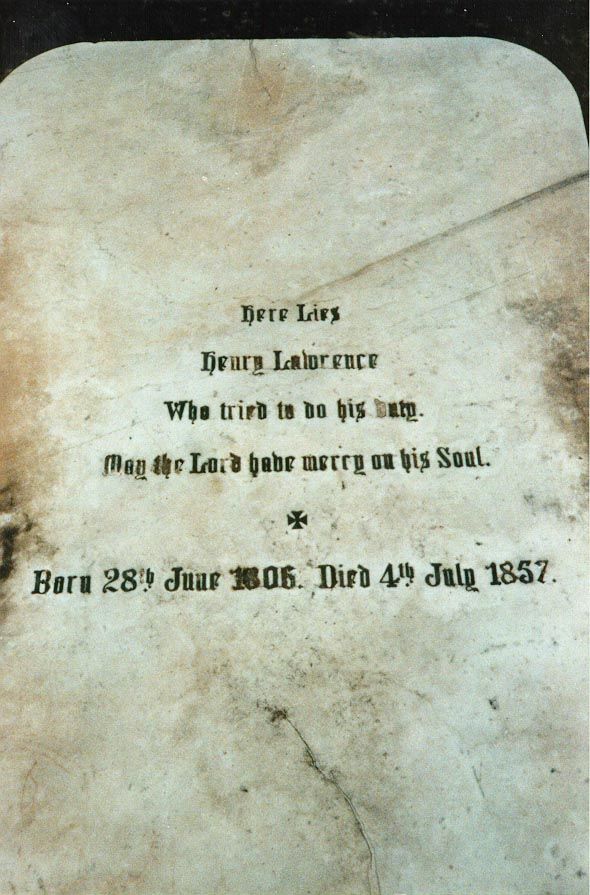
No inscription on any British grave in India is better known, more admirable, and more prey to mockery than this one, which lies flat on the lawn near the Lucknow Residency, where Lawrence was fatally injured during what the British called the Indian Mutiny.
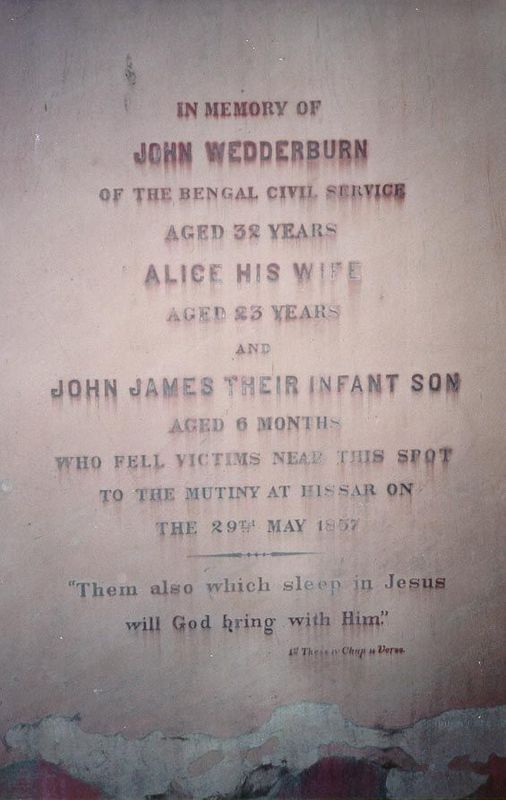
Another 1857 relic, this stone stands heavily overgrown in a small park at the center of a traffic circle in Hissar, west of Delhi. The name Wedderburn also occurs later in the history of the fight for independence from Britain, because William Wedderburn was a colleague of Allan Octavian Hume, a pioneering supporter of the Congress Party.
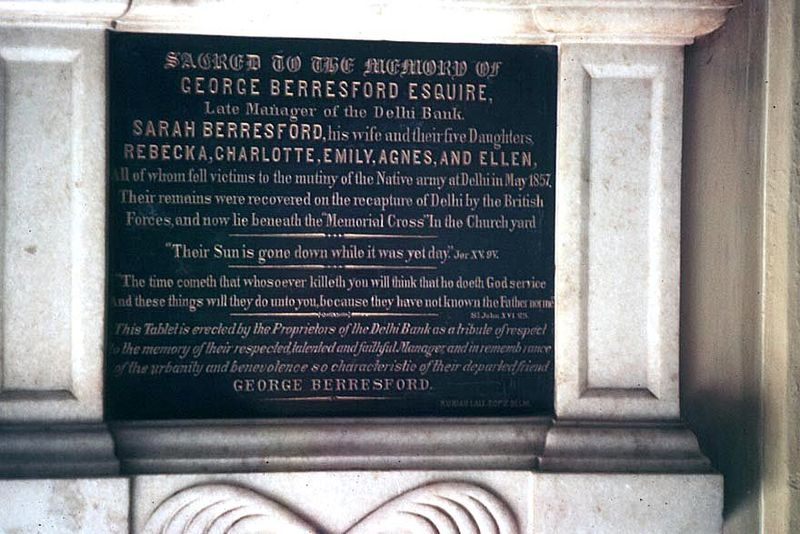
From St. James' or Skinner's Church, Delhi.
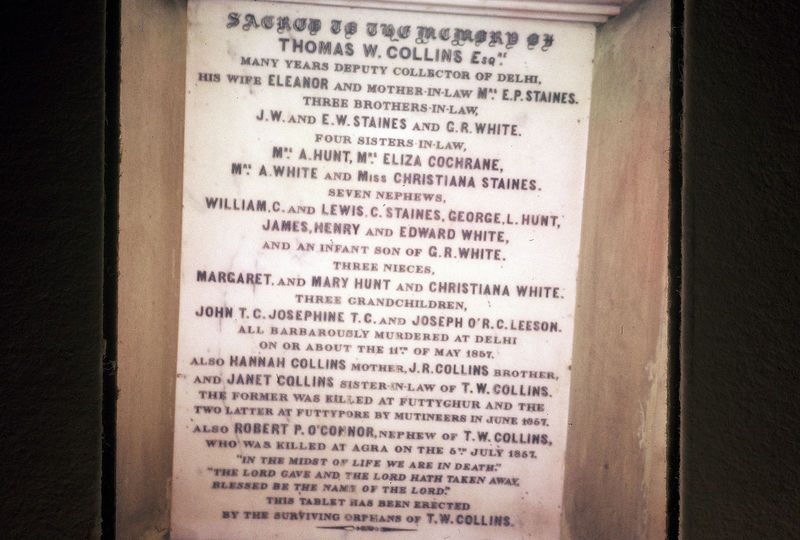
Still another.
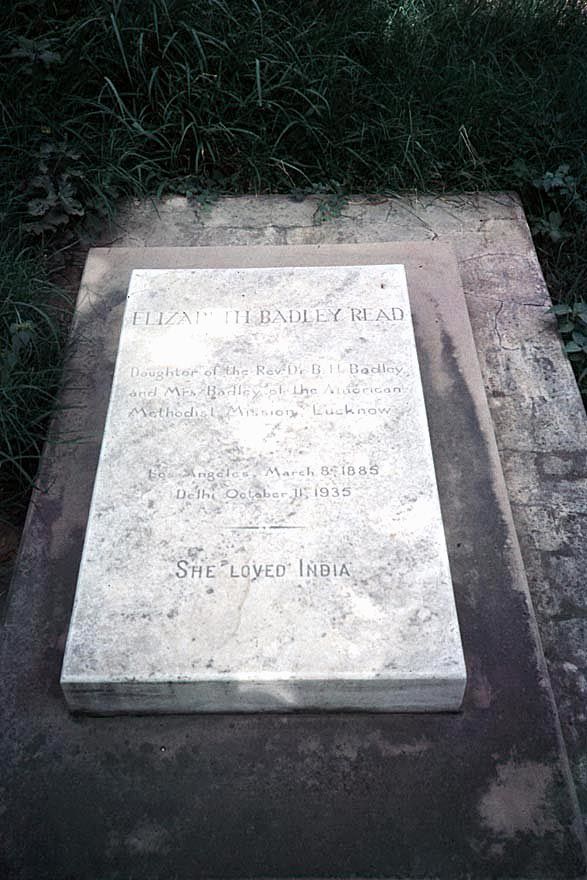
The phrase "she loved India" occurs more than once on tombstones in India. Shall it be read as hypocrisy, self-deception, or as a simple statement of the truth?
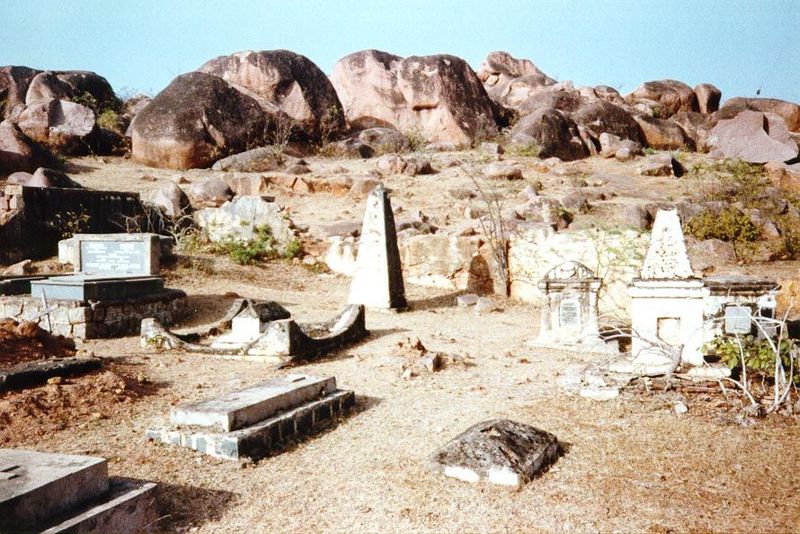
One of the grimmer graveyards in India, this one stands on the west side of Shorapur, once a small princely state. The author and administrator Meadows Taylor lived here before and after the Mutiny, when the state was abolished for siding with the mutineers.
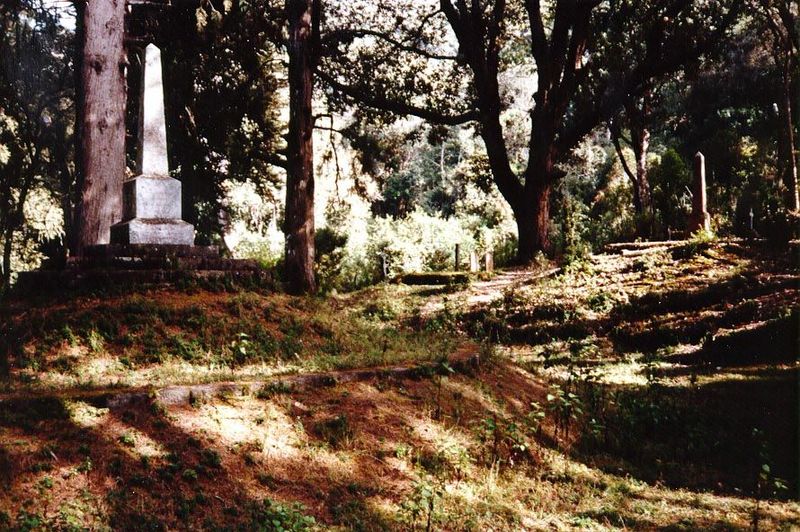
A pleasanter spot: a cemetery at Kodaikanal.
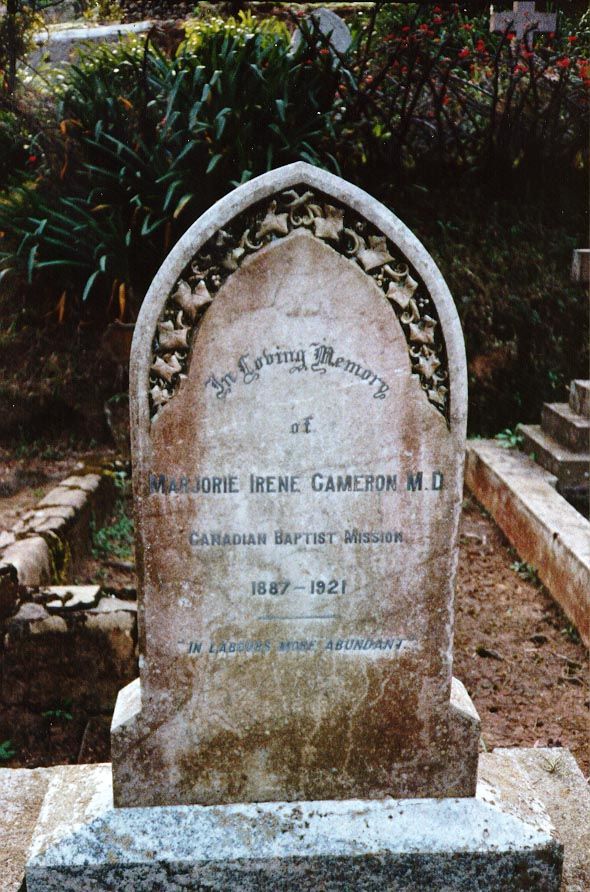
Another stone in the same cemetery.
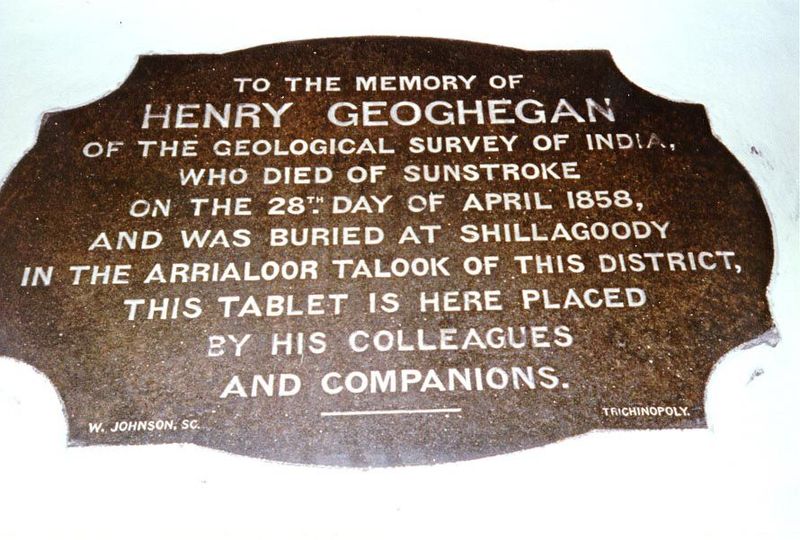
From a church in Tiruchchirappalli (Trichy), near the head of the delta of the Cauvery River.
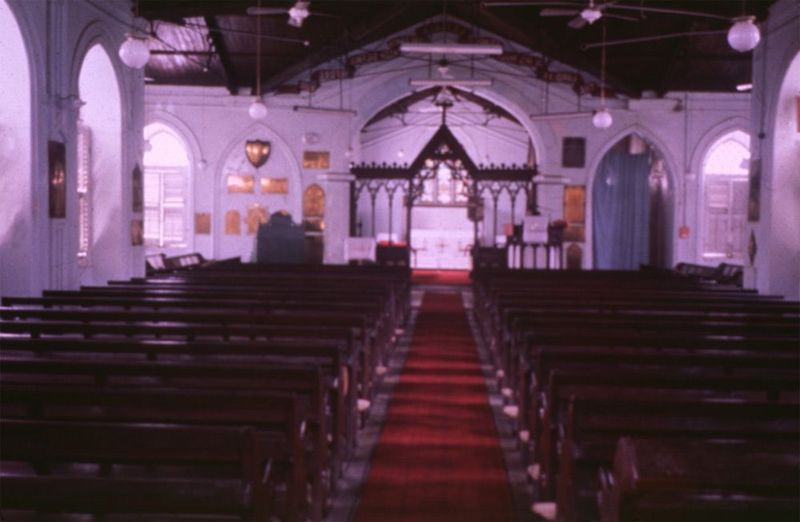
The Bolarum church, serving the British forces stationed near Secunderabad.
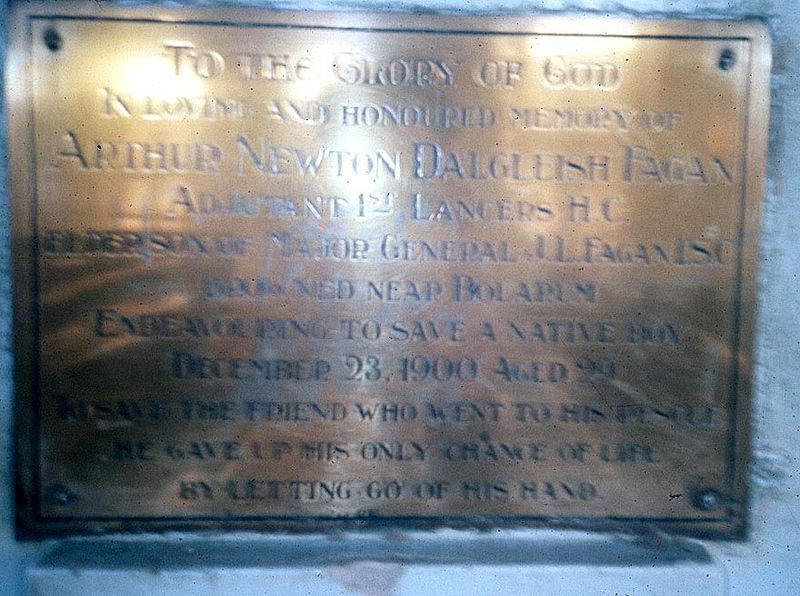
One of the many plaques on the Bolarum church walls.
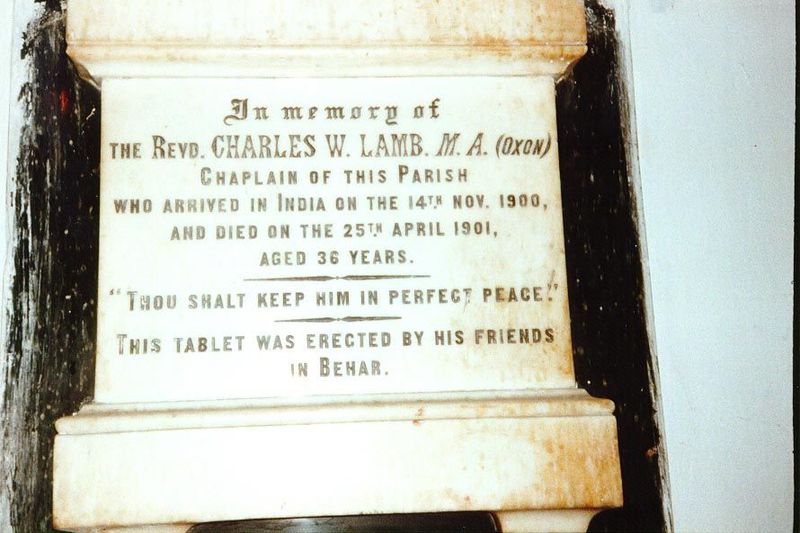
From a church in central Patna, never a healthy place though once a center of agricultural wealth.
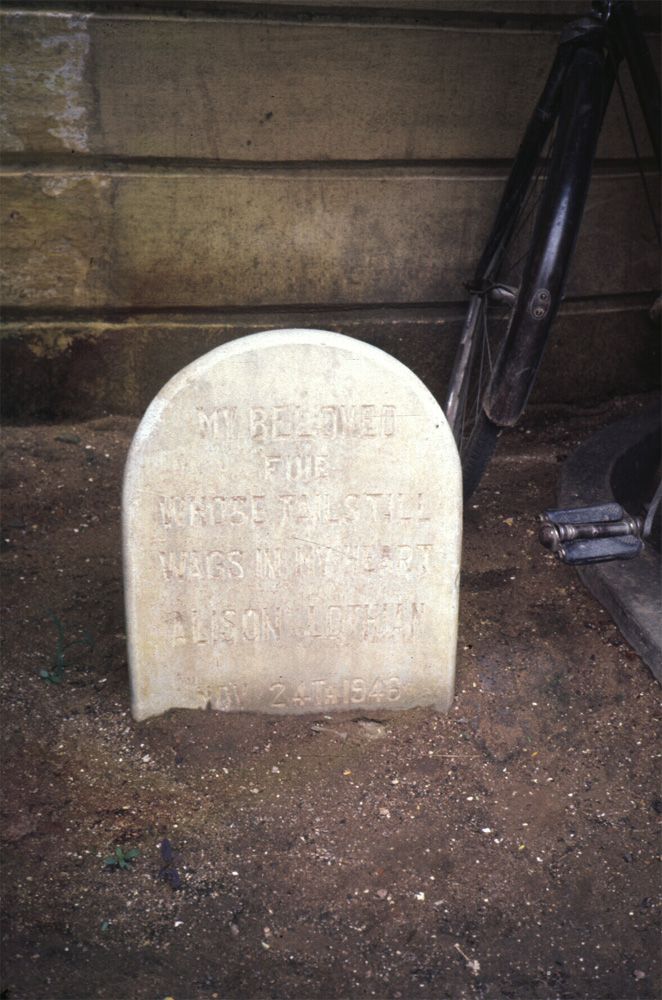
My beloved Fifi, whose tail still wags in my heart. Alison Lothian, 1947. Arthur Lothian was the last British Resident at Hyderabad, and this tombstone sits in a niche near the palatial Residency, now a girl's school.
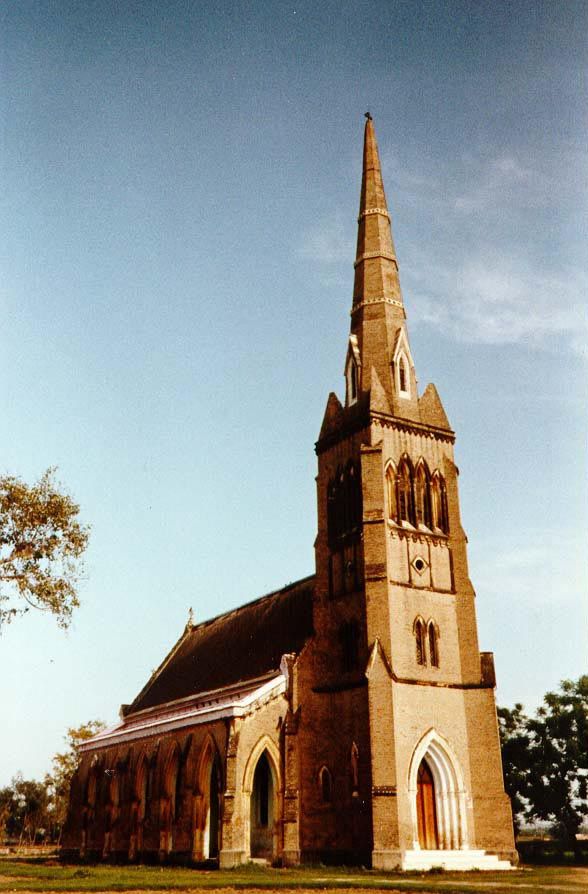
Church in Murree, a British hill station now in Pakistan. It's amazing how many old churches survive in South Asia. They're almost always locked, but somewhere there's a caretaker with a key.
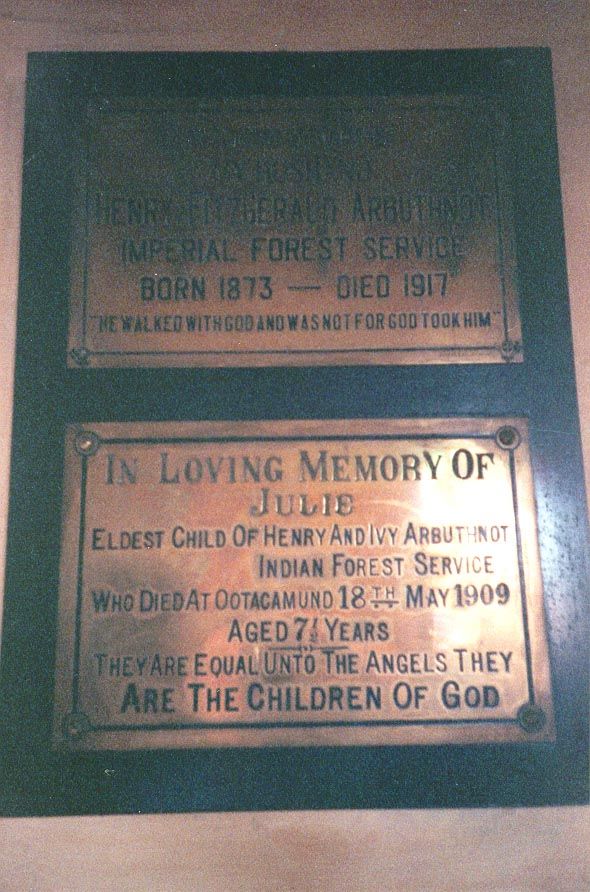
Inside the church.
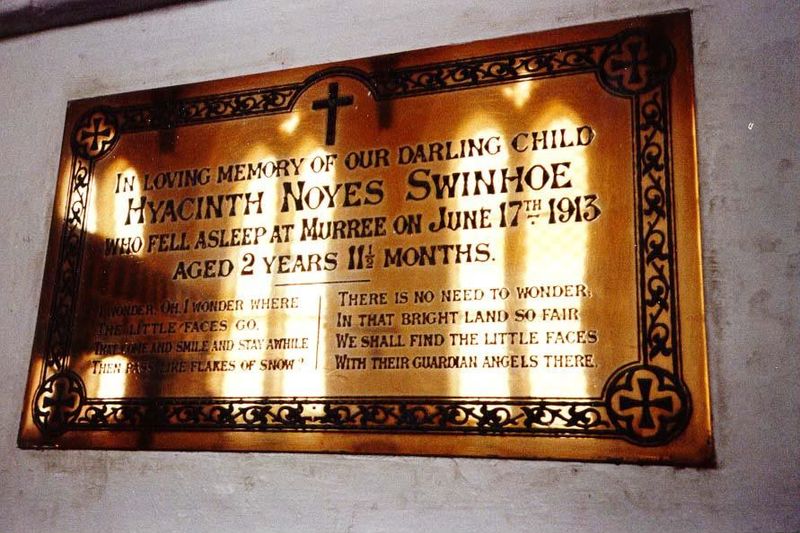
Another.