1 American Samoa
In The Happy Isles of Oceania, Paul Theroux writes, not so happily, that "No one in the Pacific has a good word for American Samoa" (p. 346). Along comes Gavin Bell, winner of the Thomas Cook Travel Award for 1995. In The Search for Tusitala, he writes that American Samoa is "the armpit of the Pacific." (p. 302). Encouraging, eh?
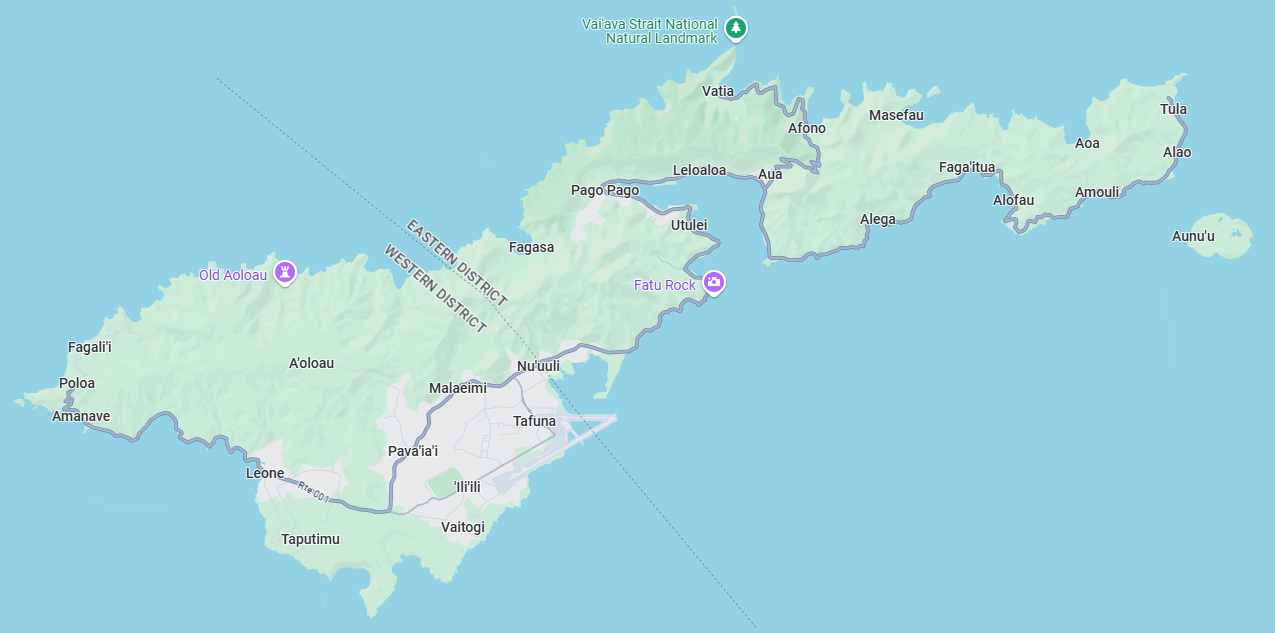
Here's the main island, Tatuila, 20 miles long tip to tip, but by road 30 miles taking 90 minutes.

A national park was created in 1993.
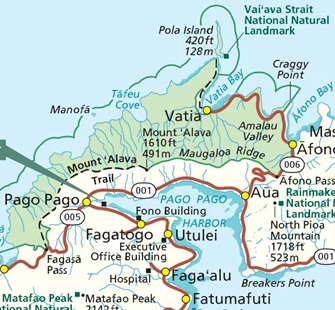
Roads get to it at either end. We'll try the road to Vatia. You can see how you start to climb at Aua.
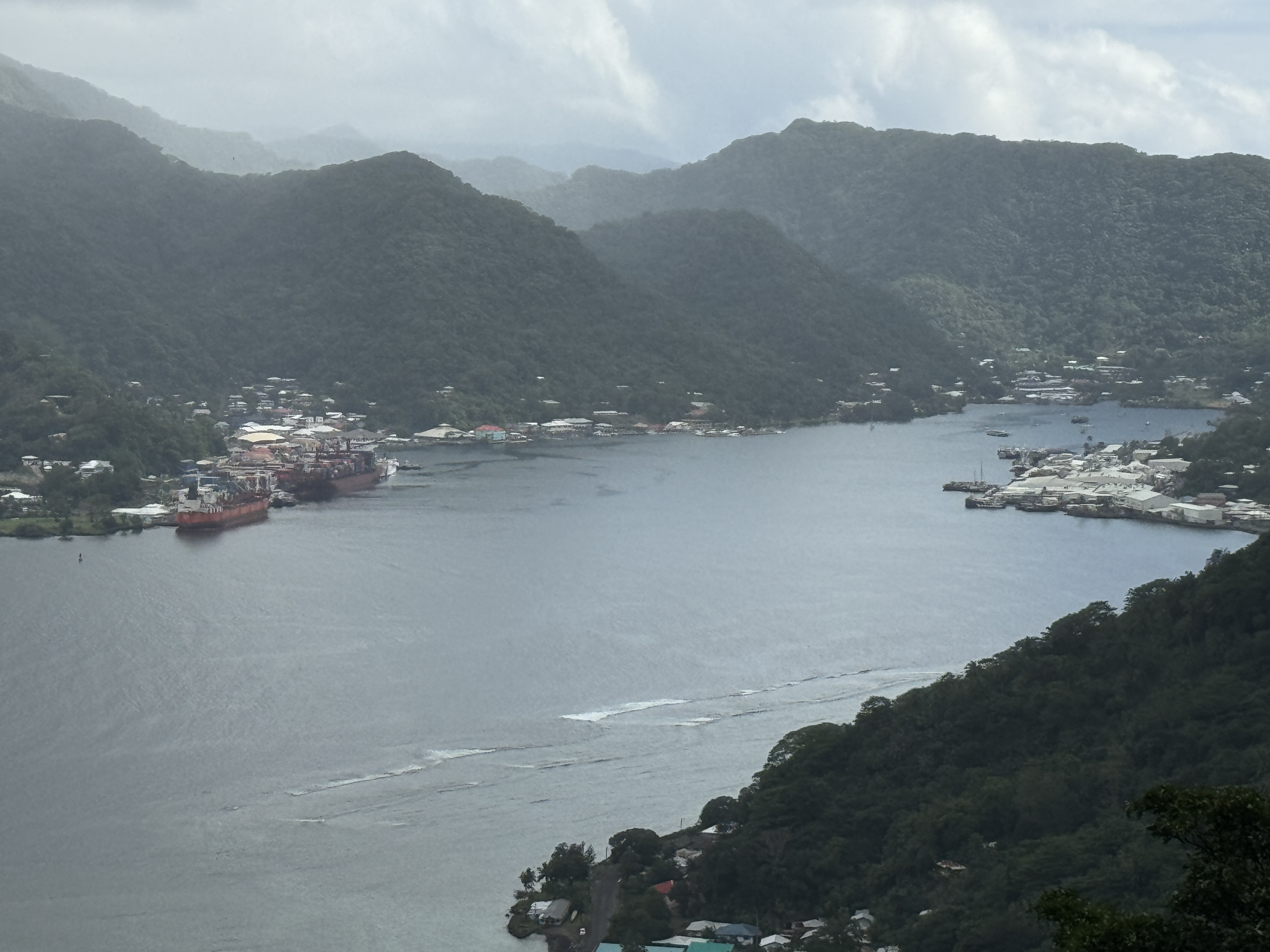
Here's the view from that road as it climbs above Pago Pago Harbor. That's the old U.S. Naval Station on the left, now a container port since the Navy pulled out in 1951. On the right is StarKist, the only surviving tuna cannery on the island.
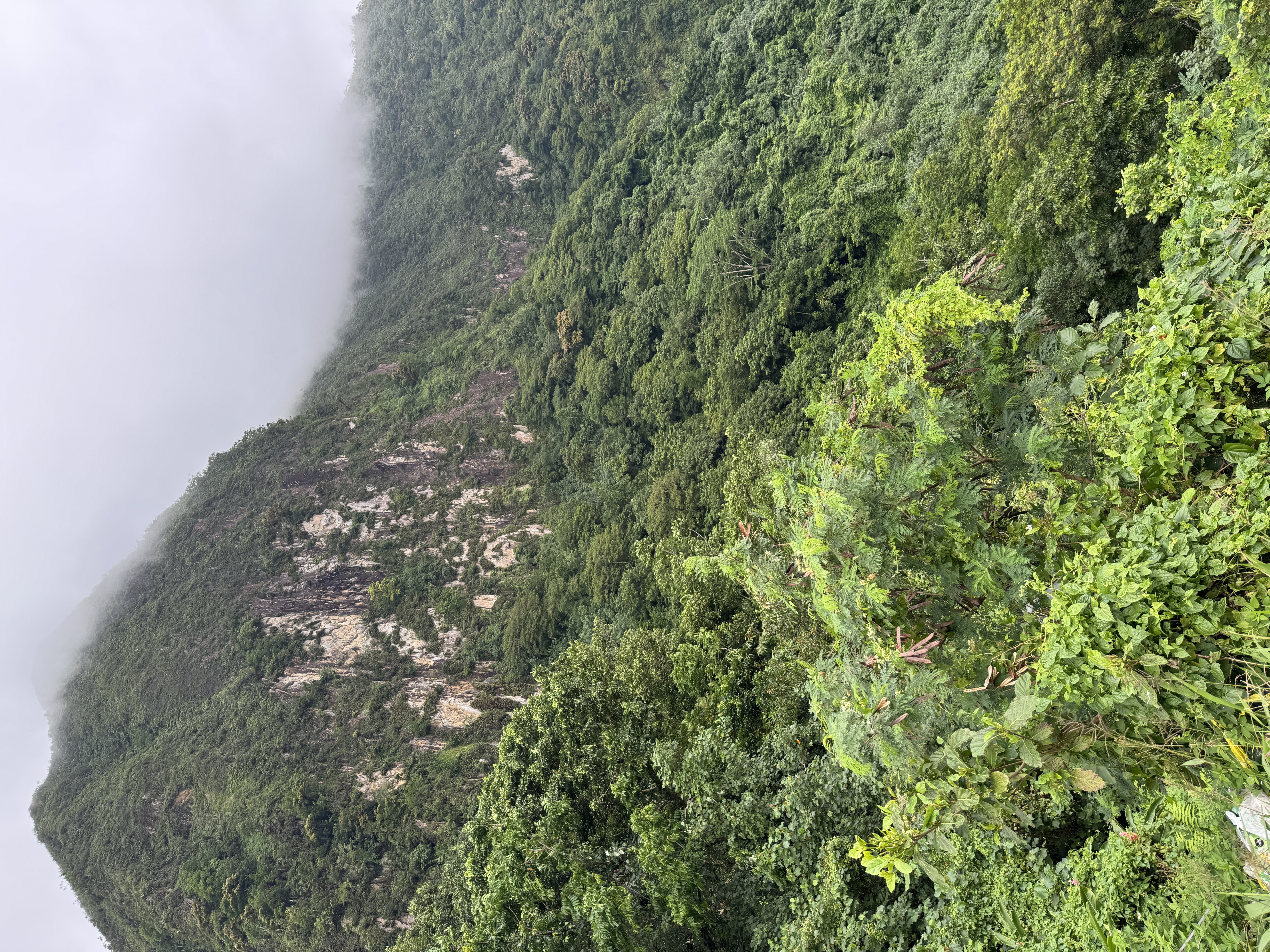
The summit, Afono Pass, is not terrifically high, but its flanks are terrifically steep.
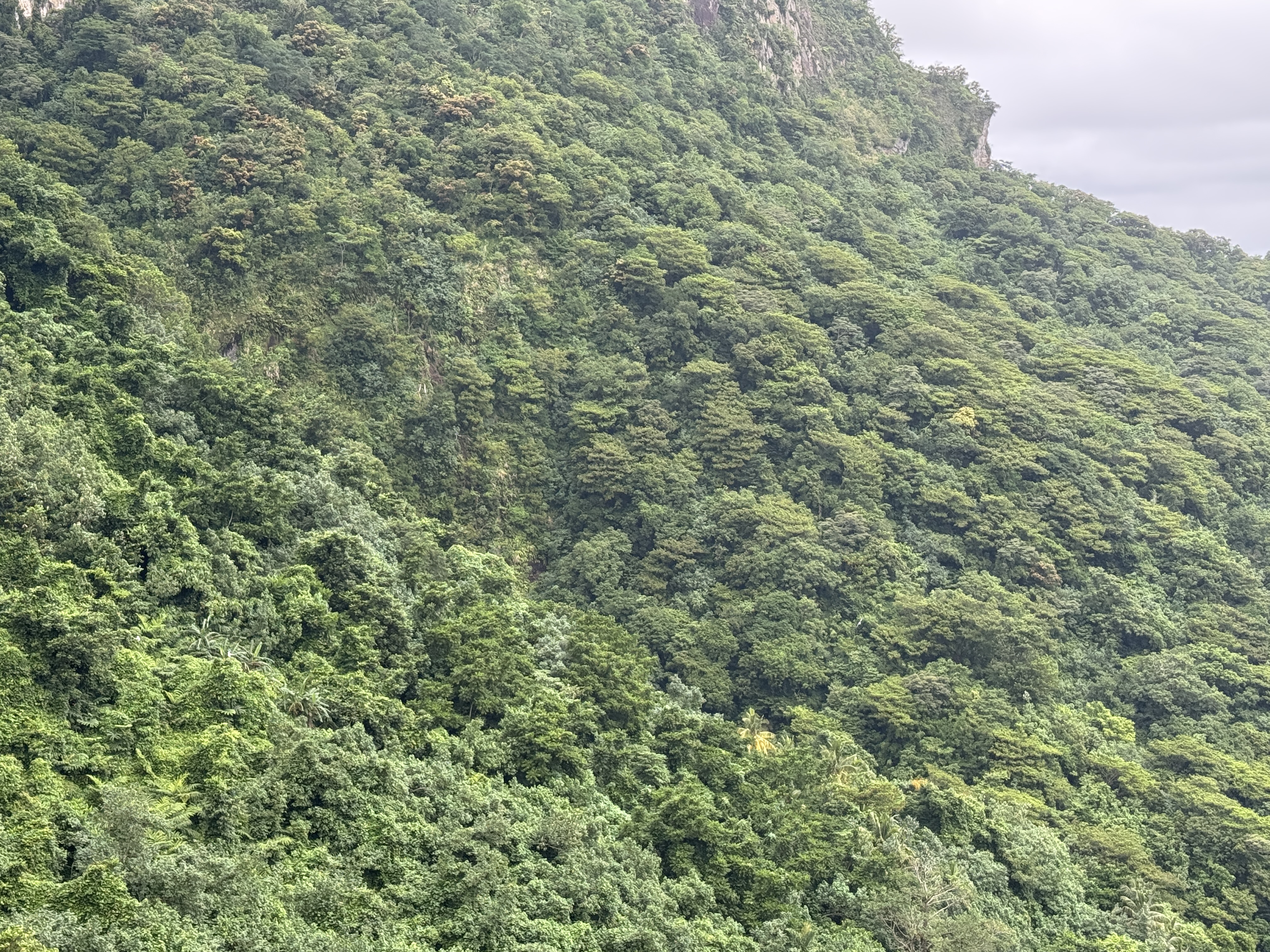
And vegetated.
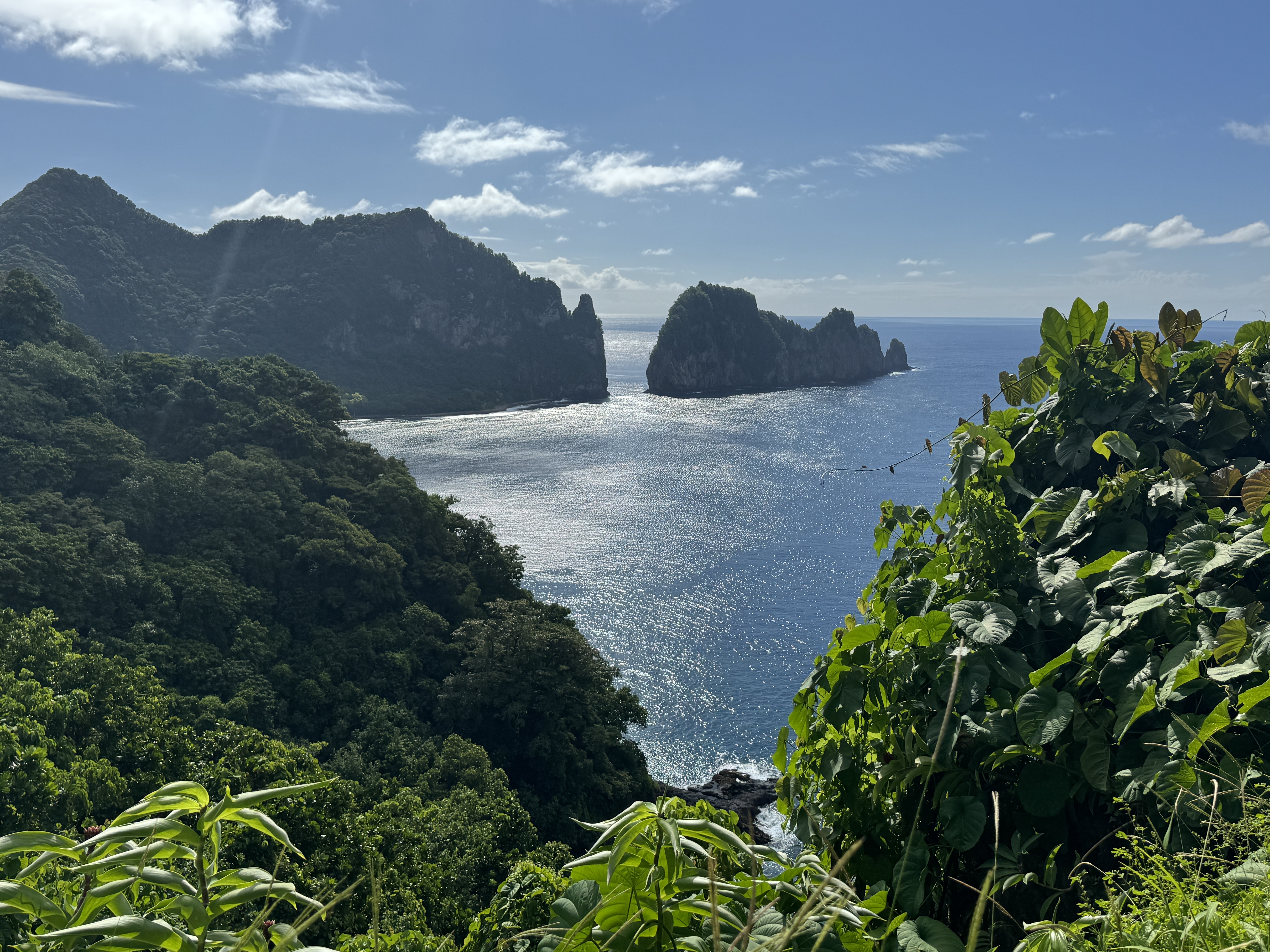
Here's the other side. That would be Pola Island.
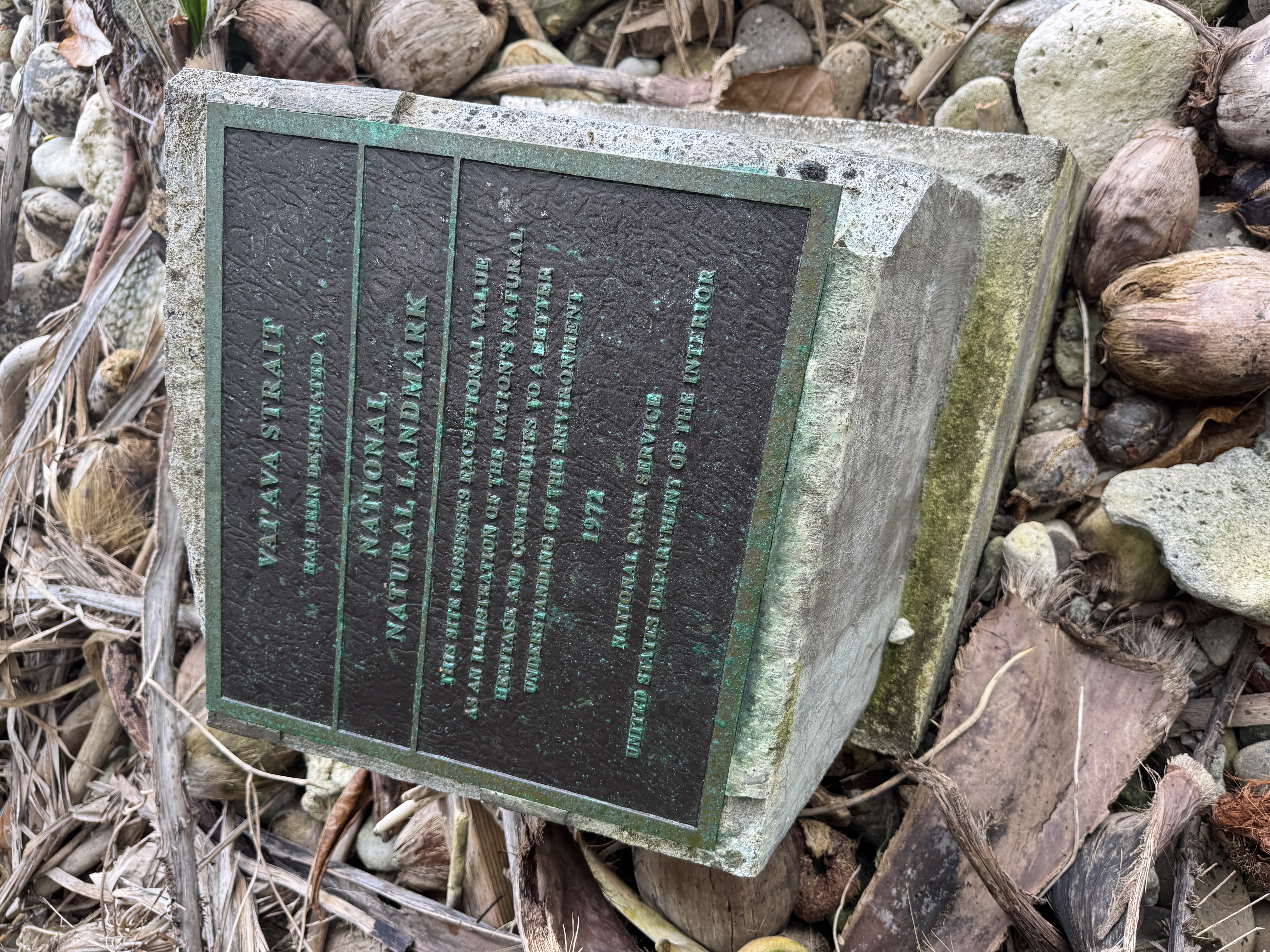
Did you know that the United States had National Natural Landmarks? Live and learn.
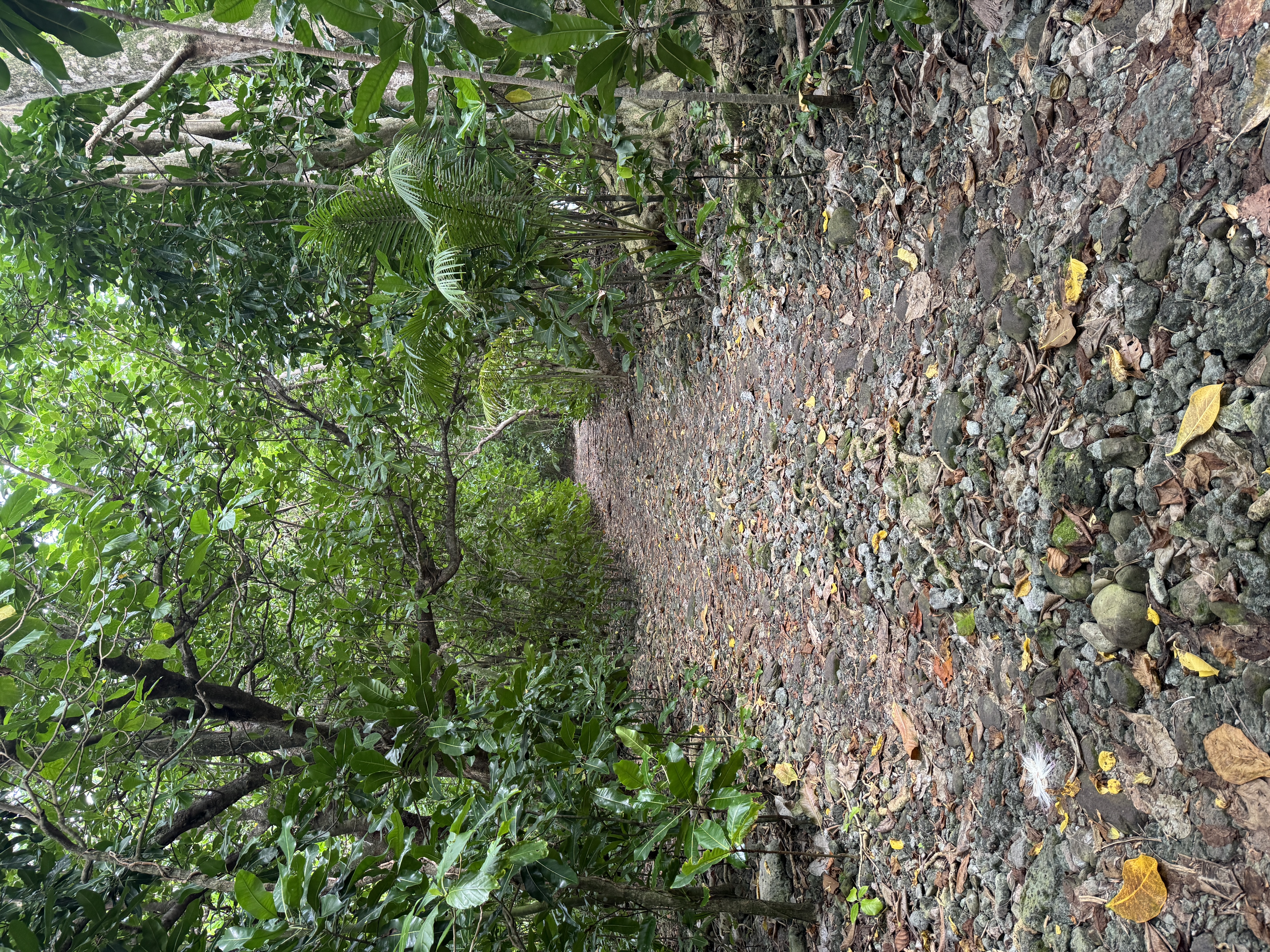
We can get out there a bit.
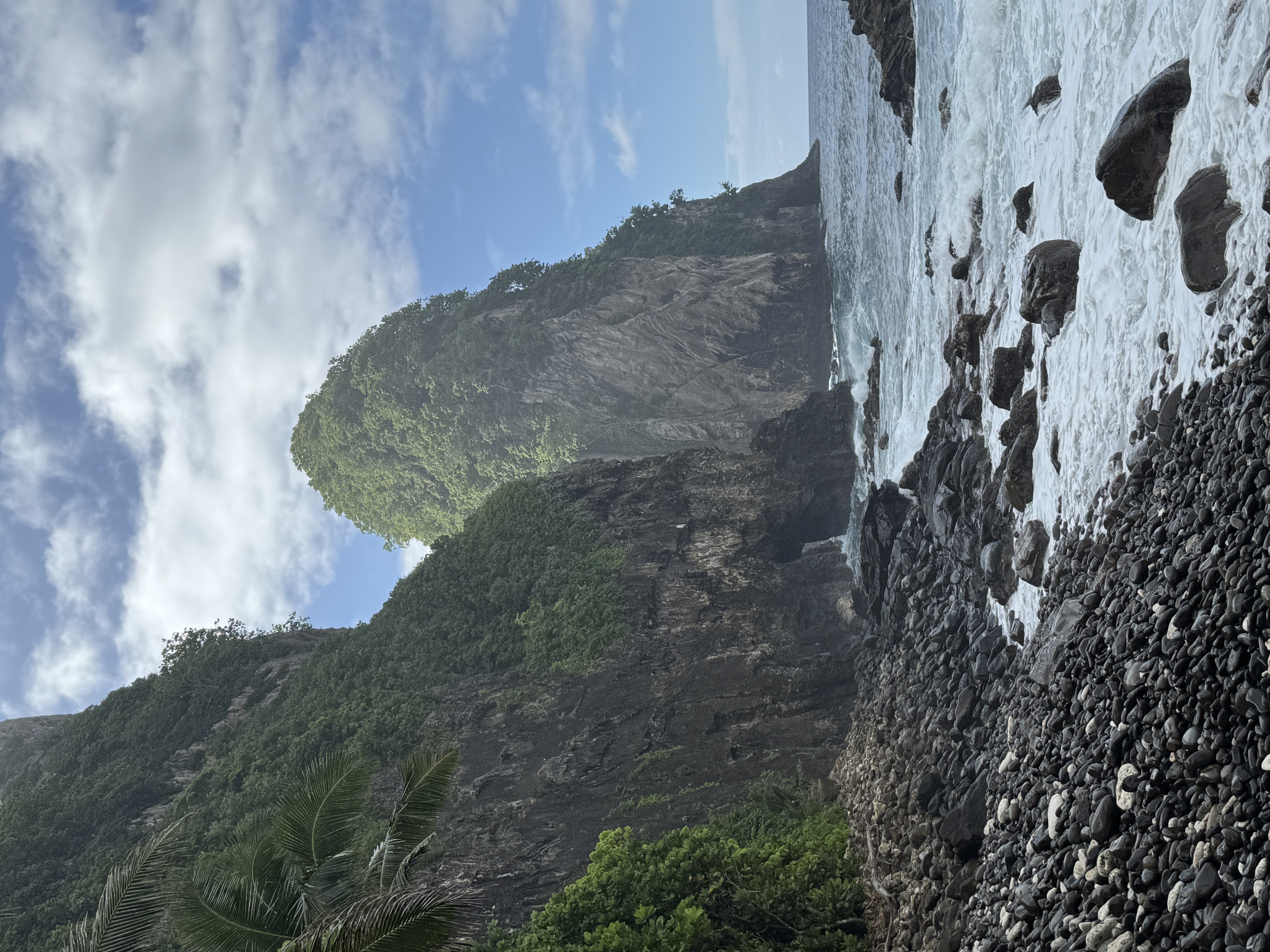
To about here.
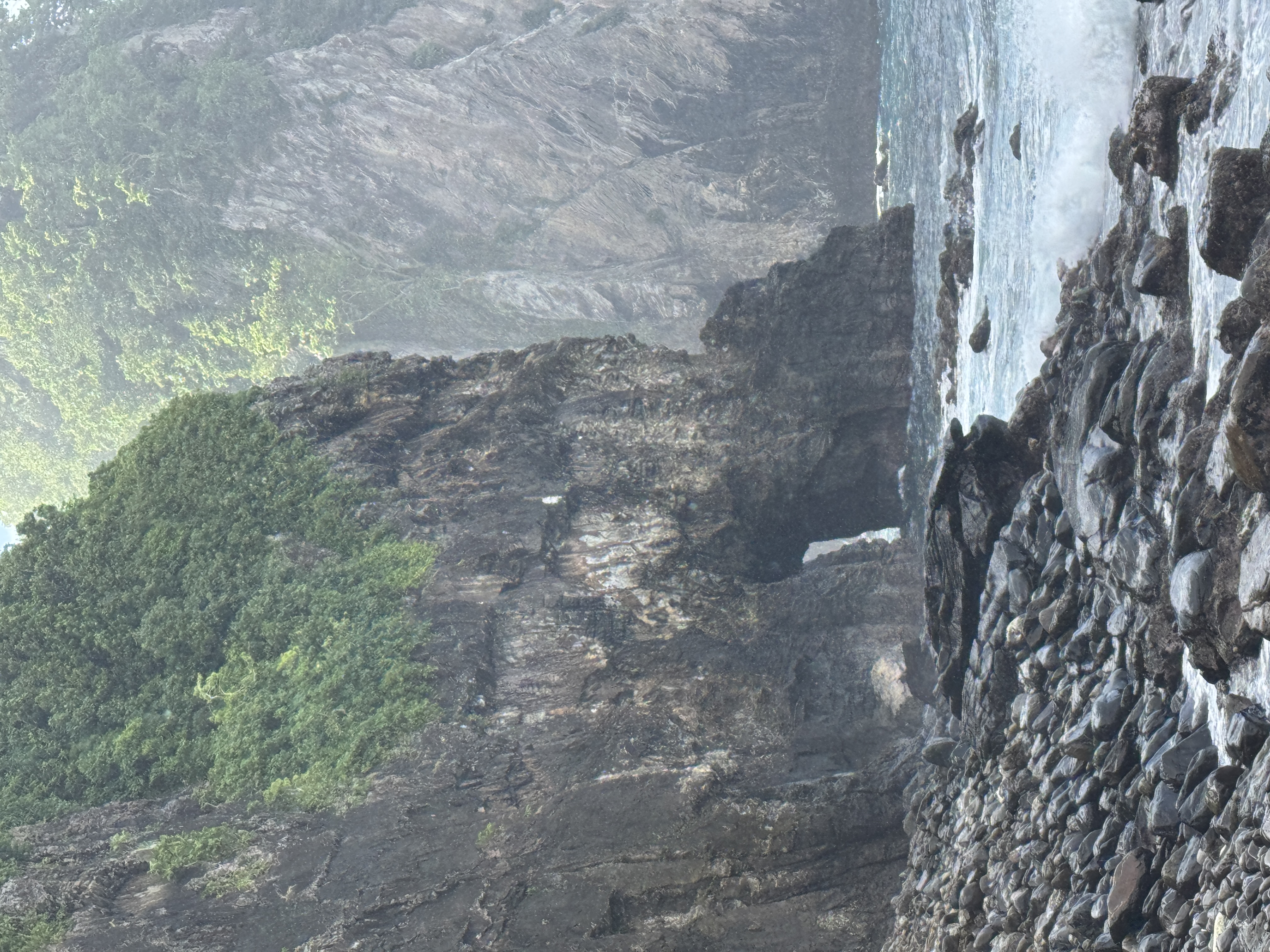
Or maybe here.
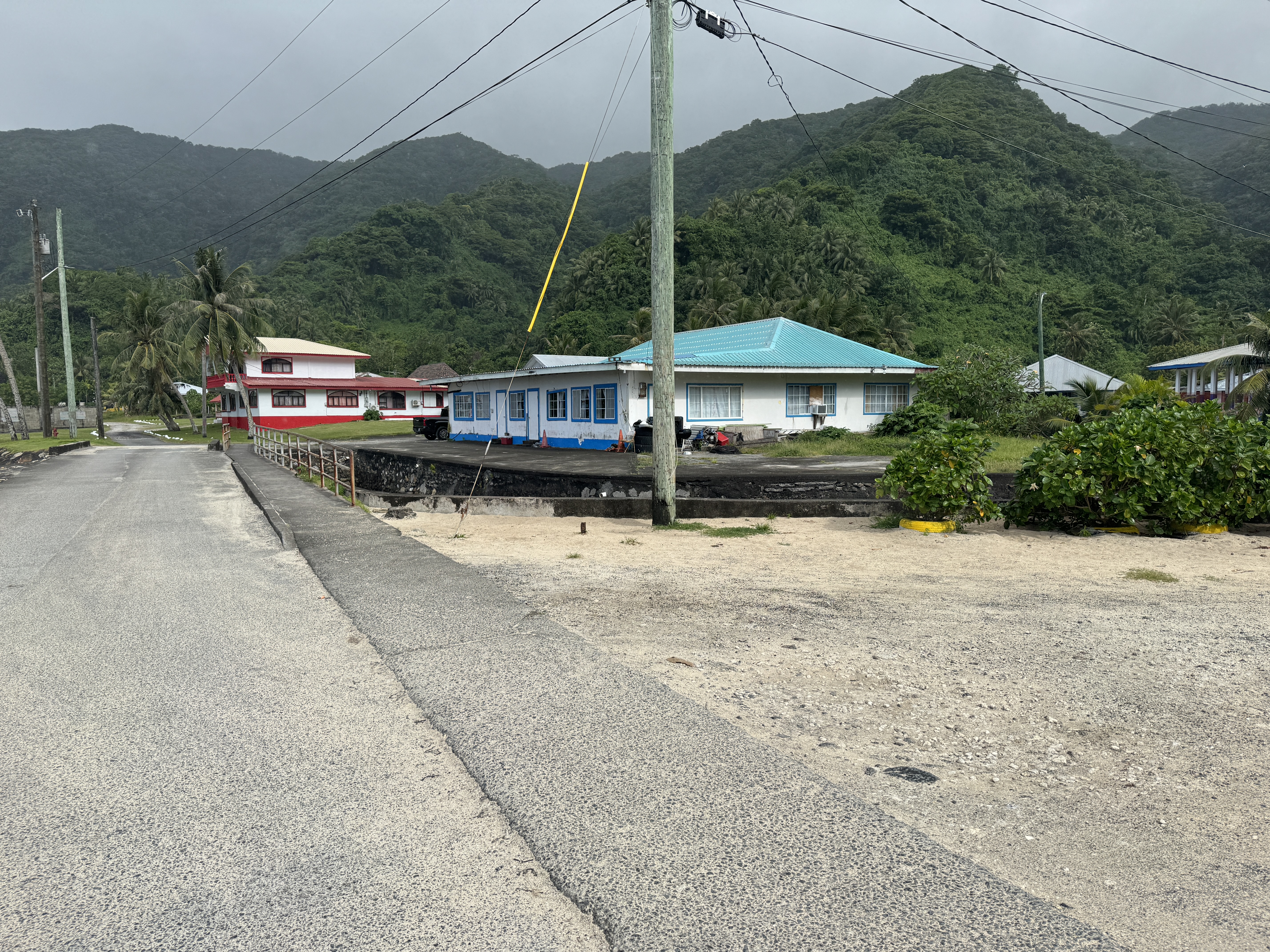
Not to spoil our trip, but there's a village down here, and the houses are modern. Well, do you expect to see teepees in Kansas? No? So don't expect thatched huts here. In 1927, Rear Admiral Henry Francis Bryan. governor of the territory, wrote of the Samoans that "they prefer their own food, but they buy canned salmon, corned beef, cooked corned beef, rice, tea, and biscuit" (American Samoa, A General Report by the Governor, p. 6)
He also wrote that "clubs, fans, baskets, hats, and necklaces of shells and beads are made to sell to tourists" (p. 10).
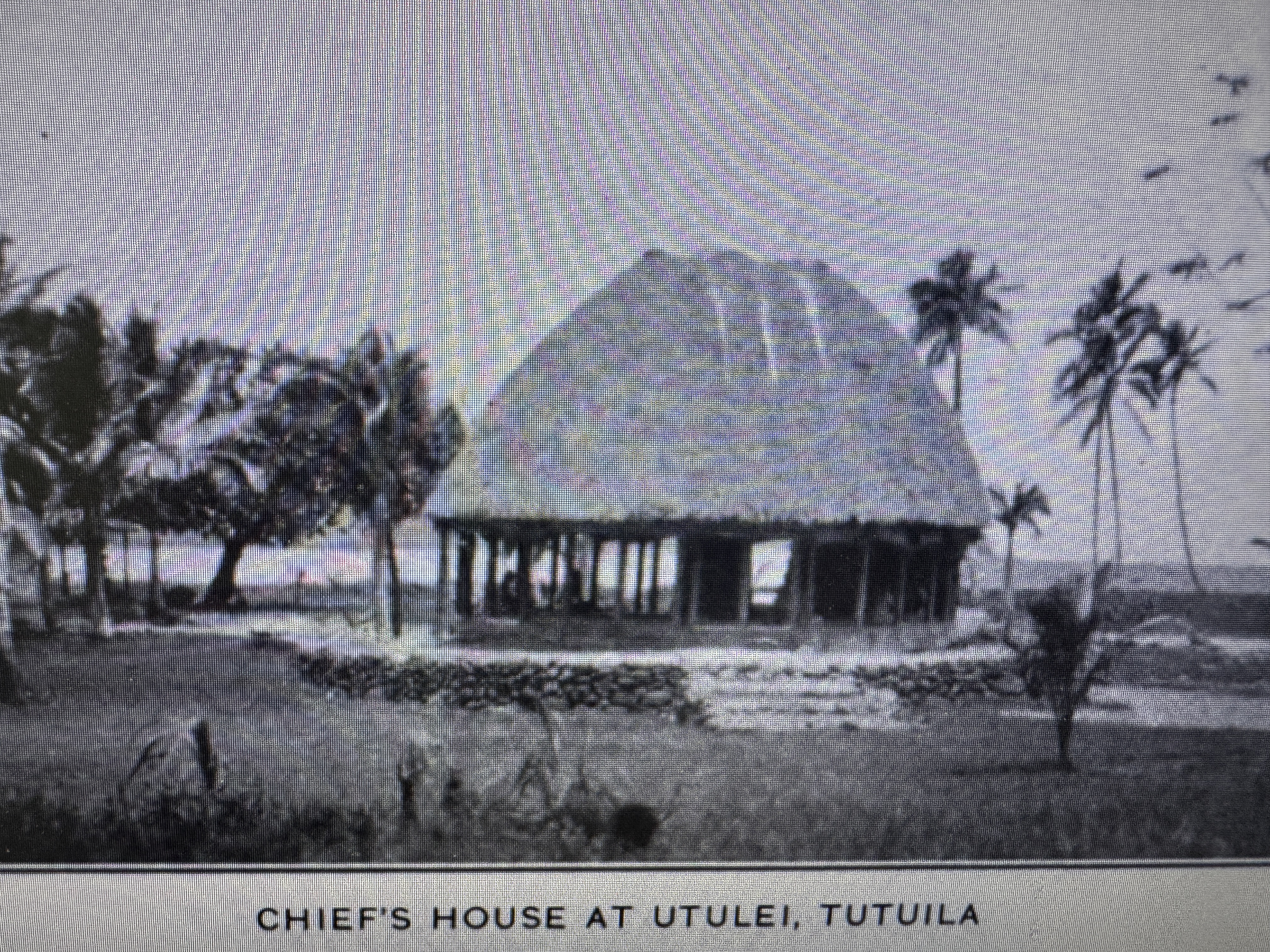
The past.
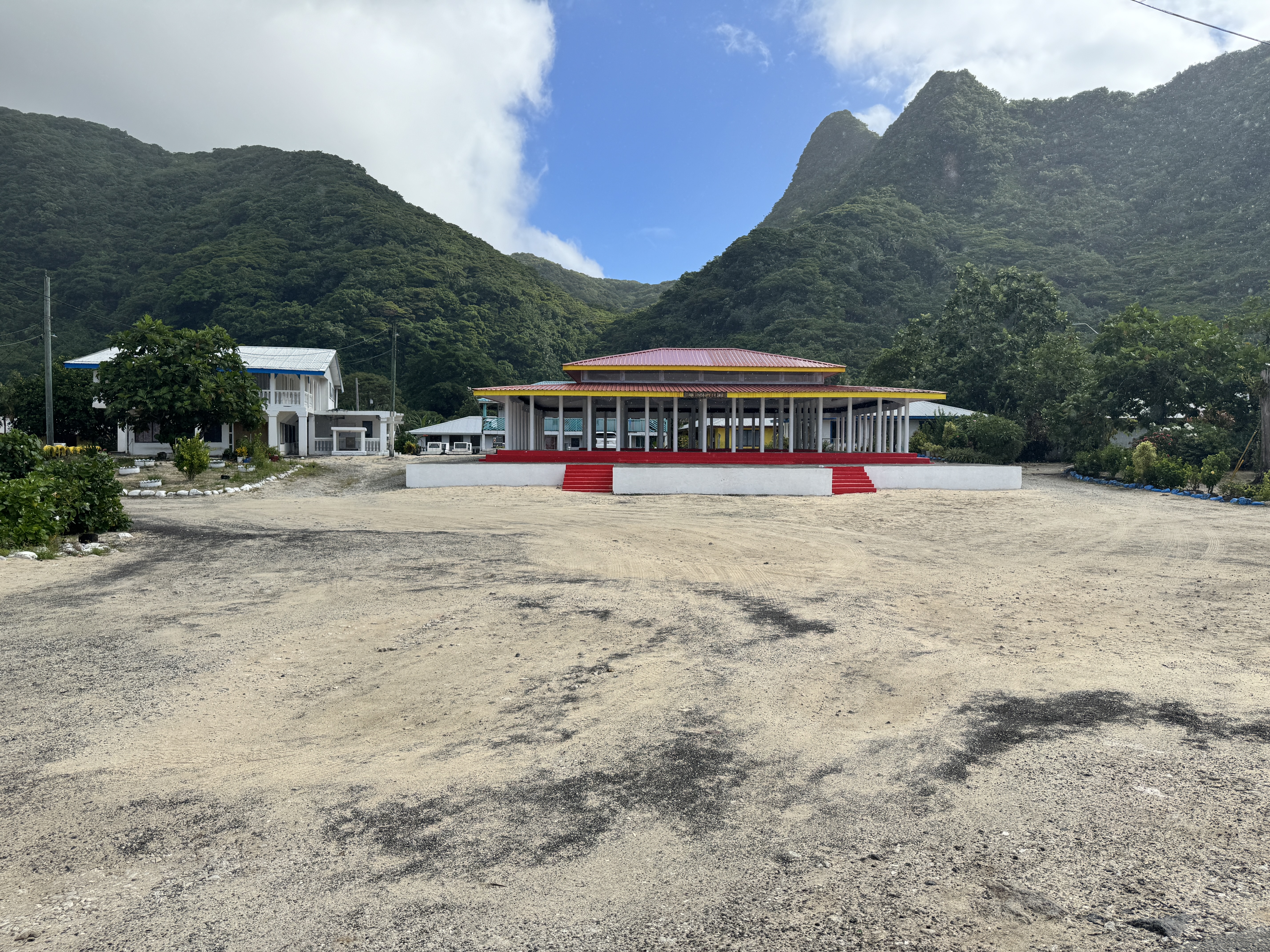
The present. The structure here is an adaptation of the traditional house, made here in modern materials and used as a meeting room, not a house.
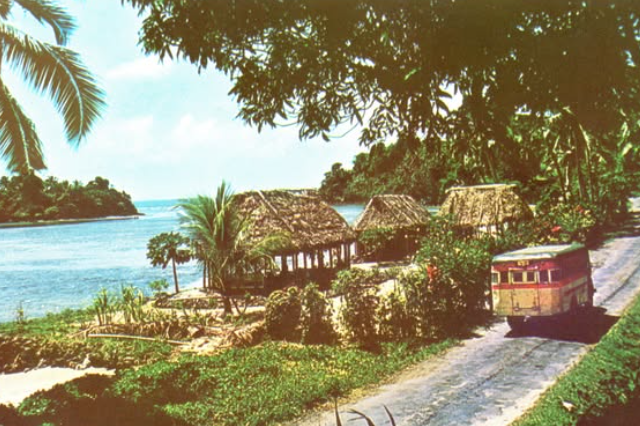
Thatch survived into the 1990s. Hurricane Val in 1991 may have been the coup de gr ce.
https://www.facebook.com/groups/279463505493104/posts/8619784111460960/
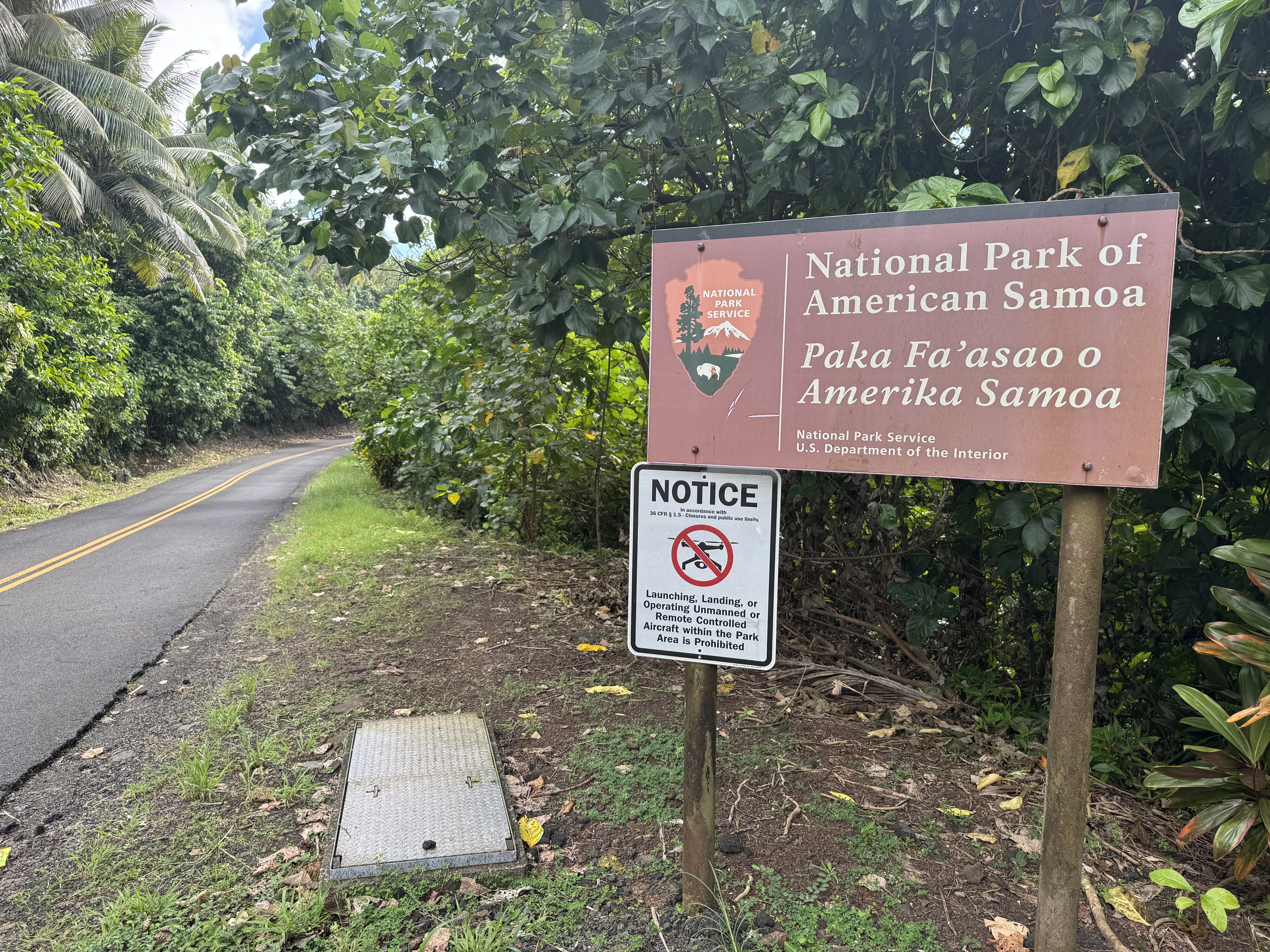
The map a while back showed a second approach to the park, the one from Pago Pago itself. Here we're at the summit on that road.
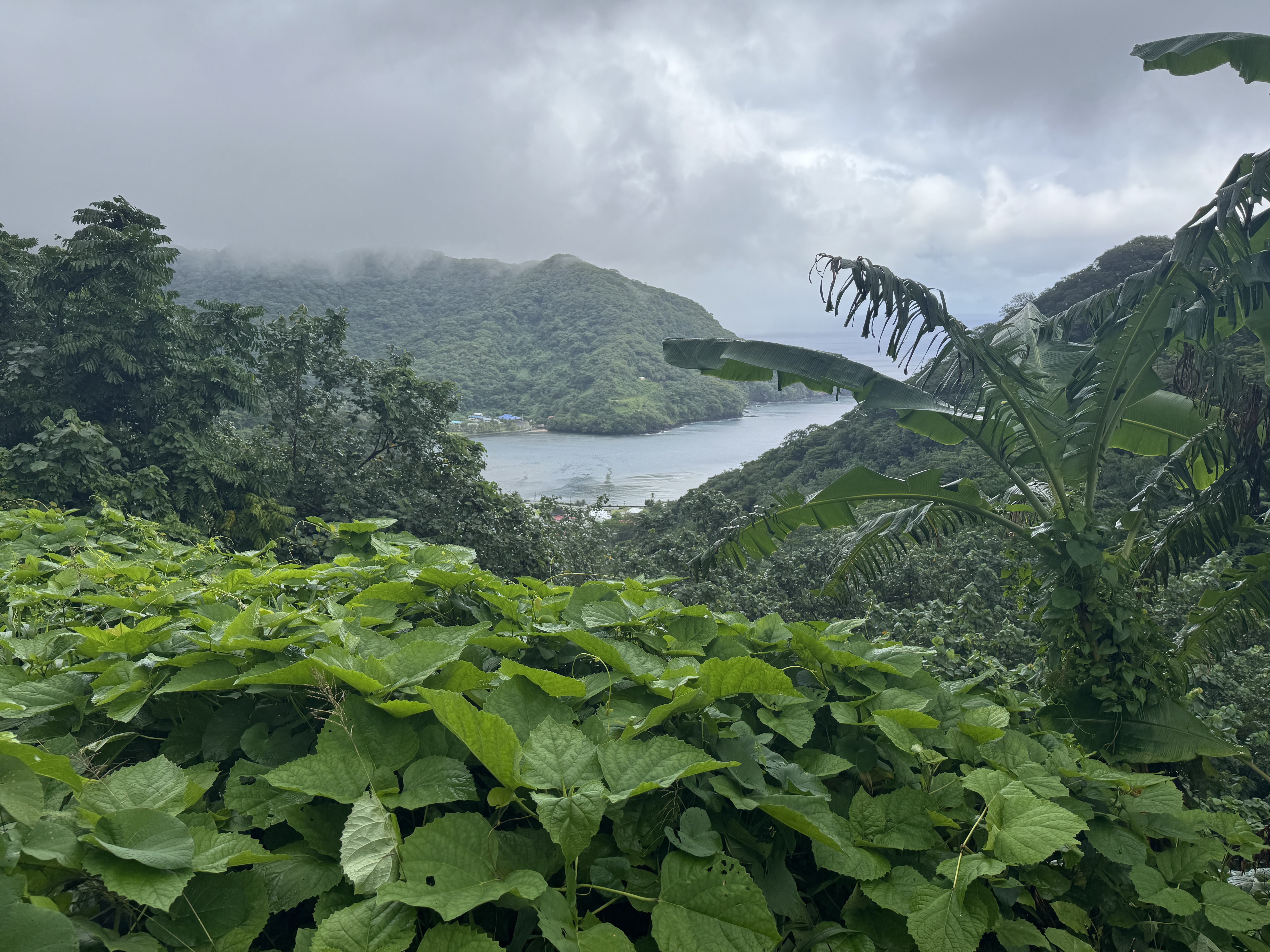
Pago Pago is behind us. In front of us: another bay and village.
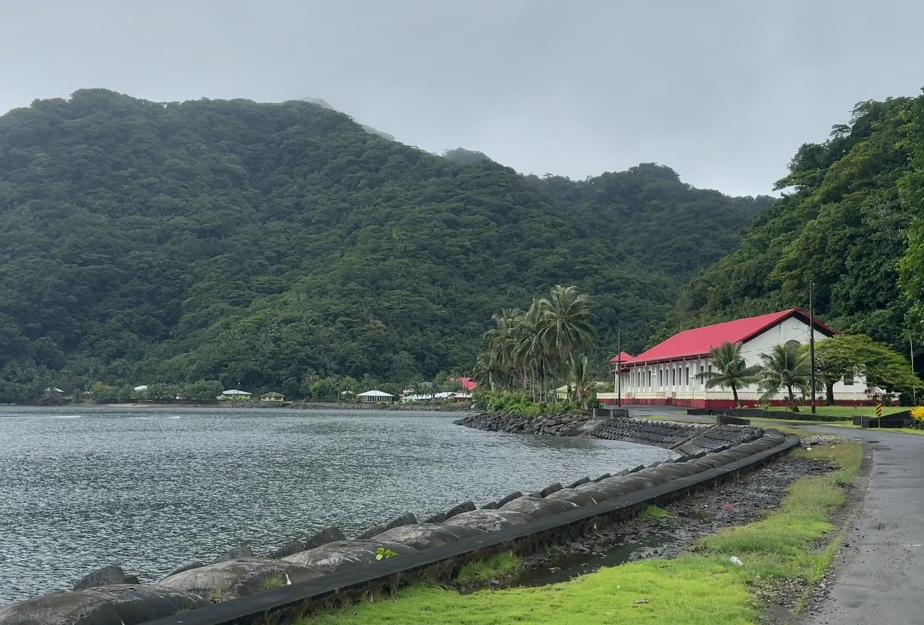
Peaceful but modern.
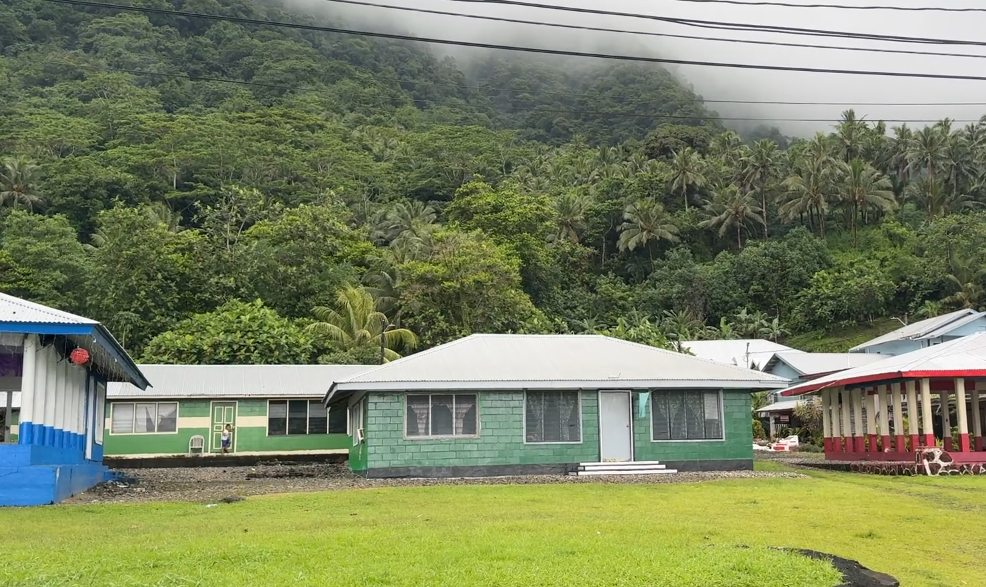
Meeting rooms and the houses people actually live in.
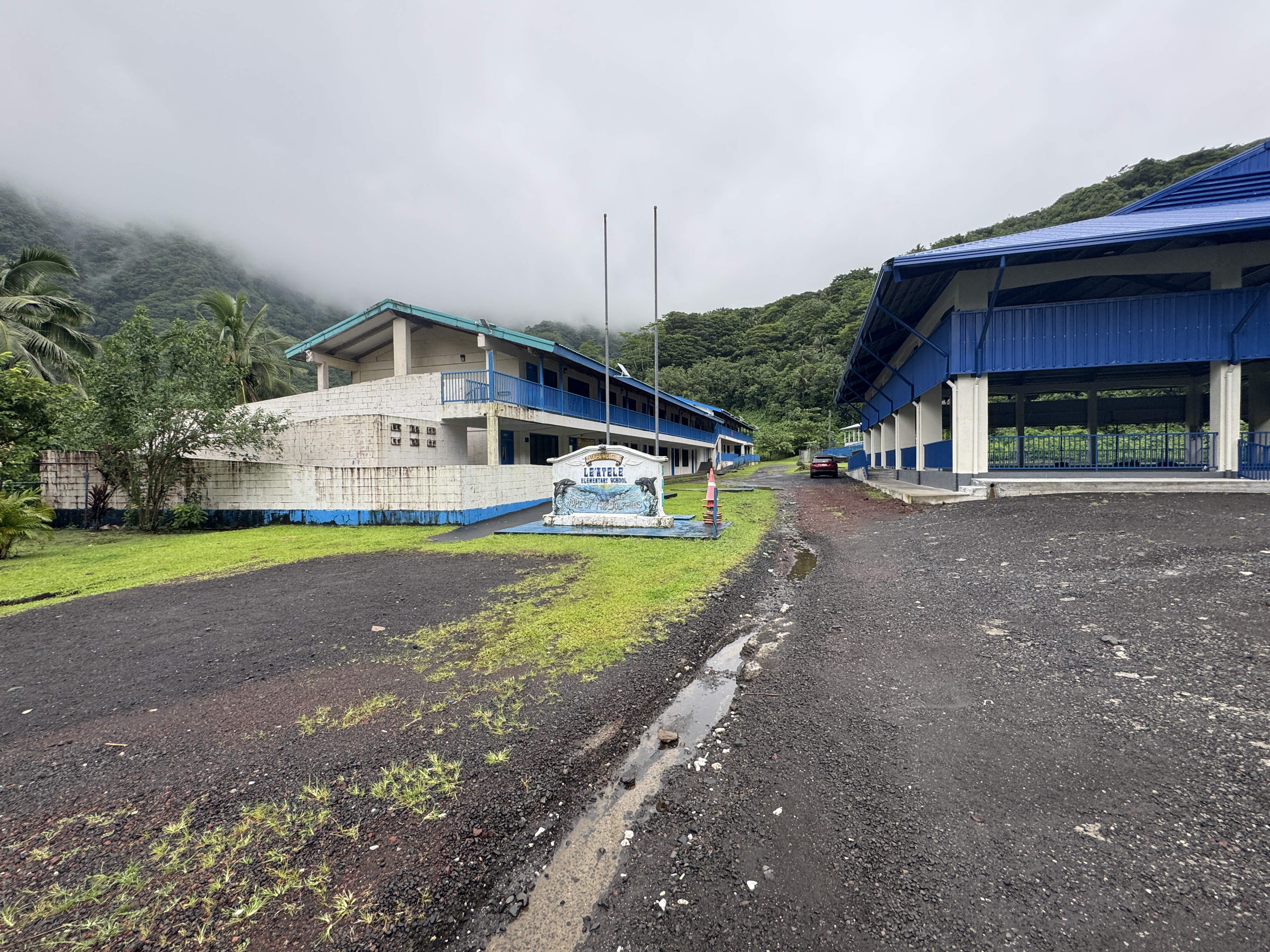
The village elementary school.
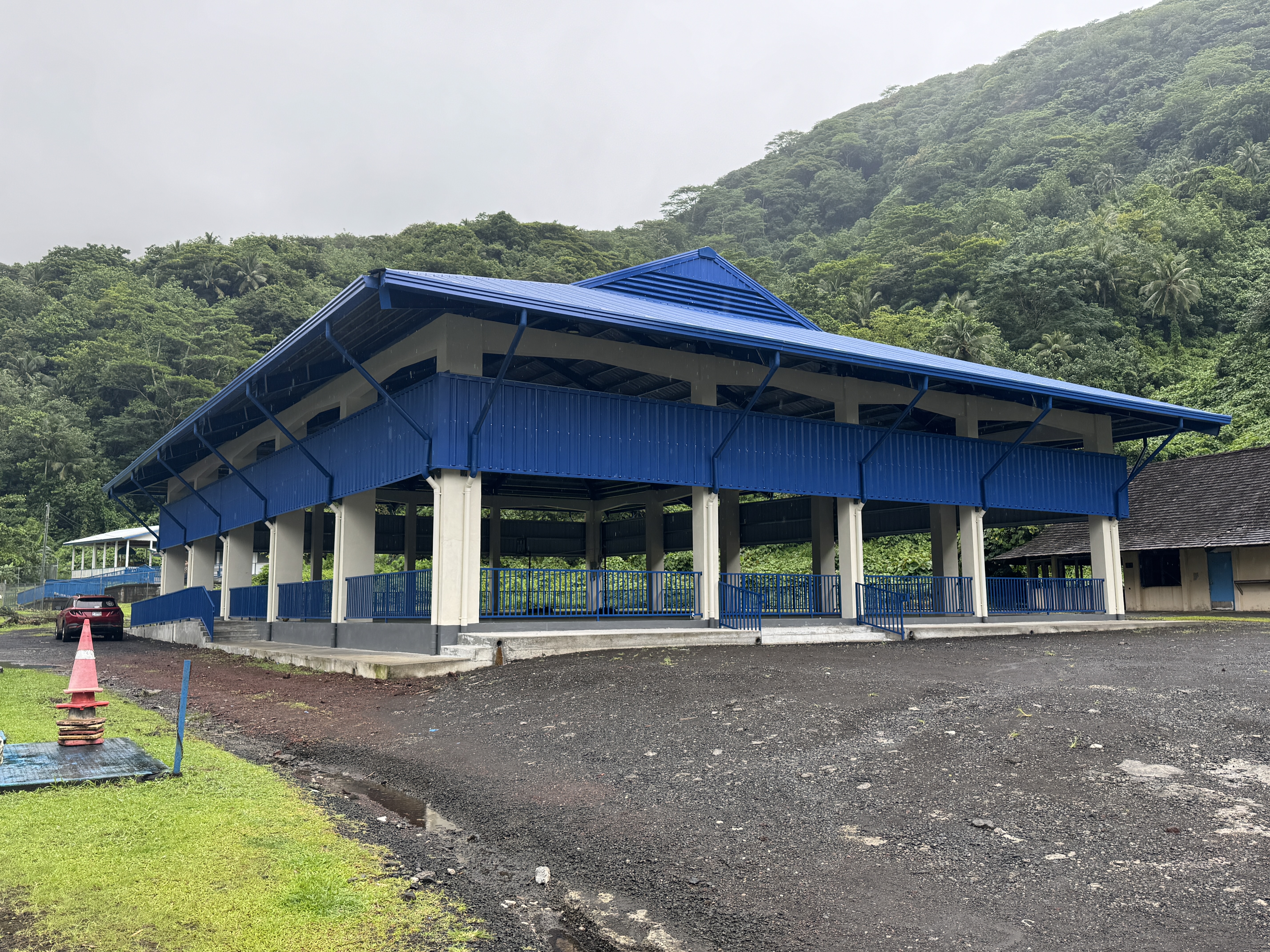
The playground is covered with an echo of the traditional house (big roof, no walls). Good idea, considering that annual rainfall is well over 100 inches.
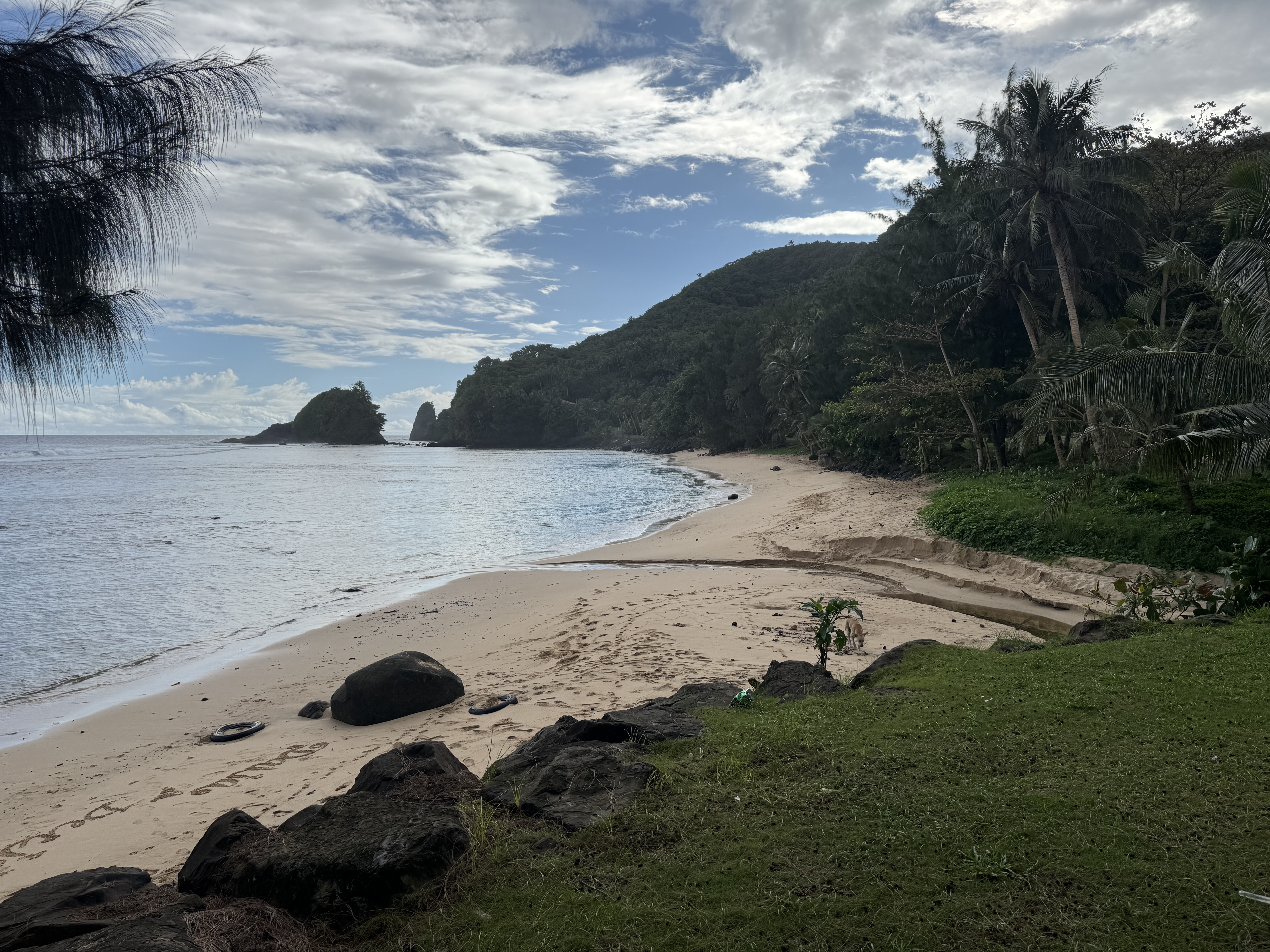
We're heading down to the western tip of the island.
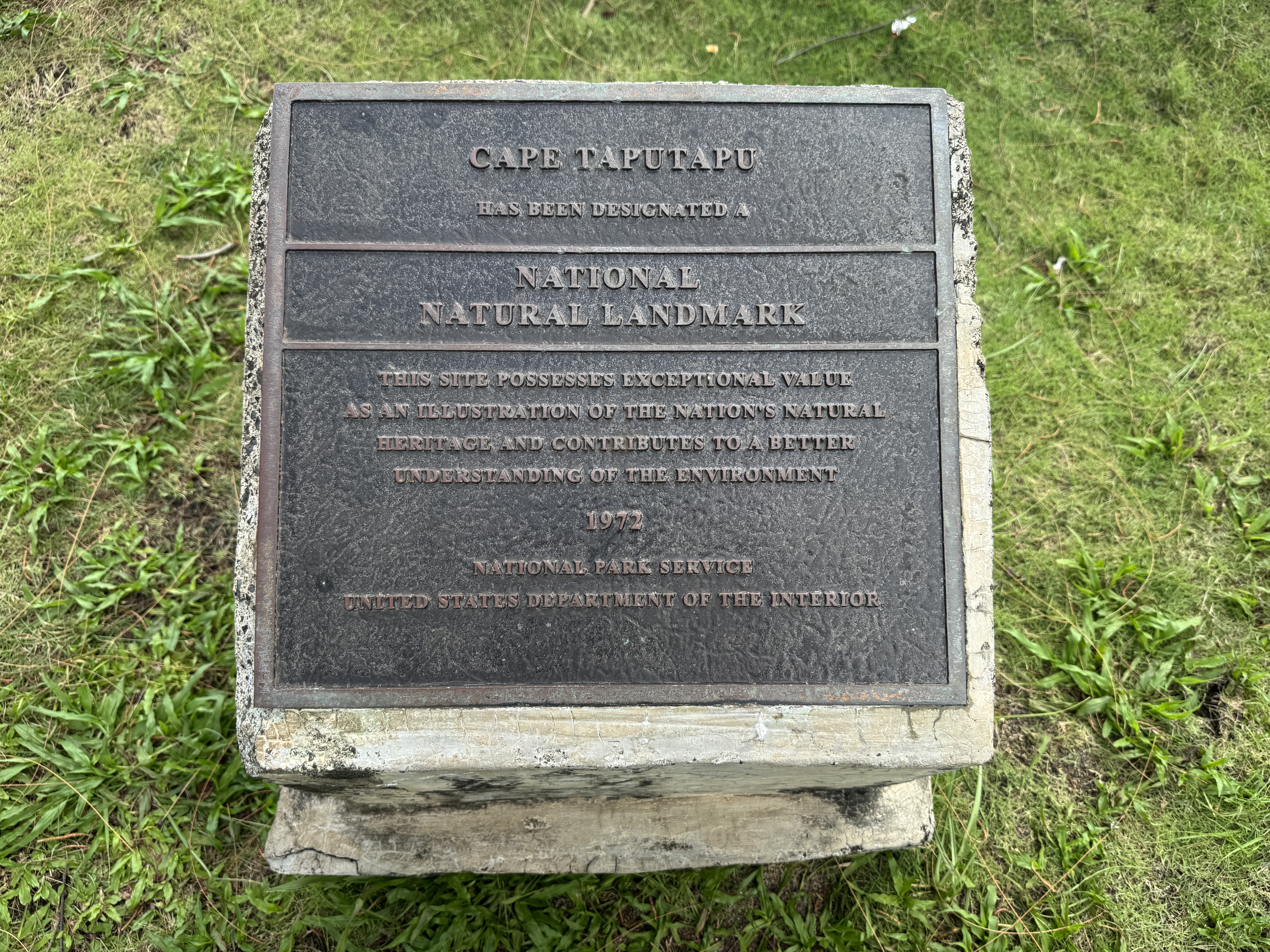
What do you know, another national natural landmark.
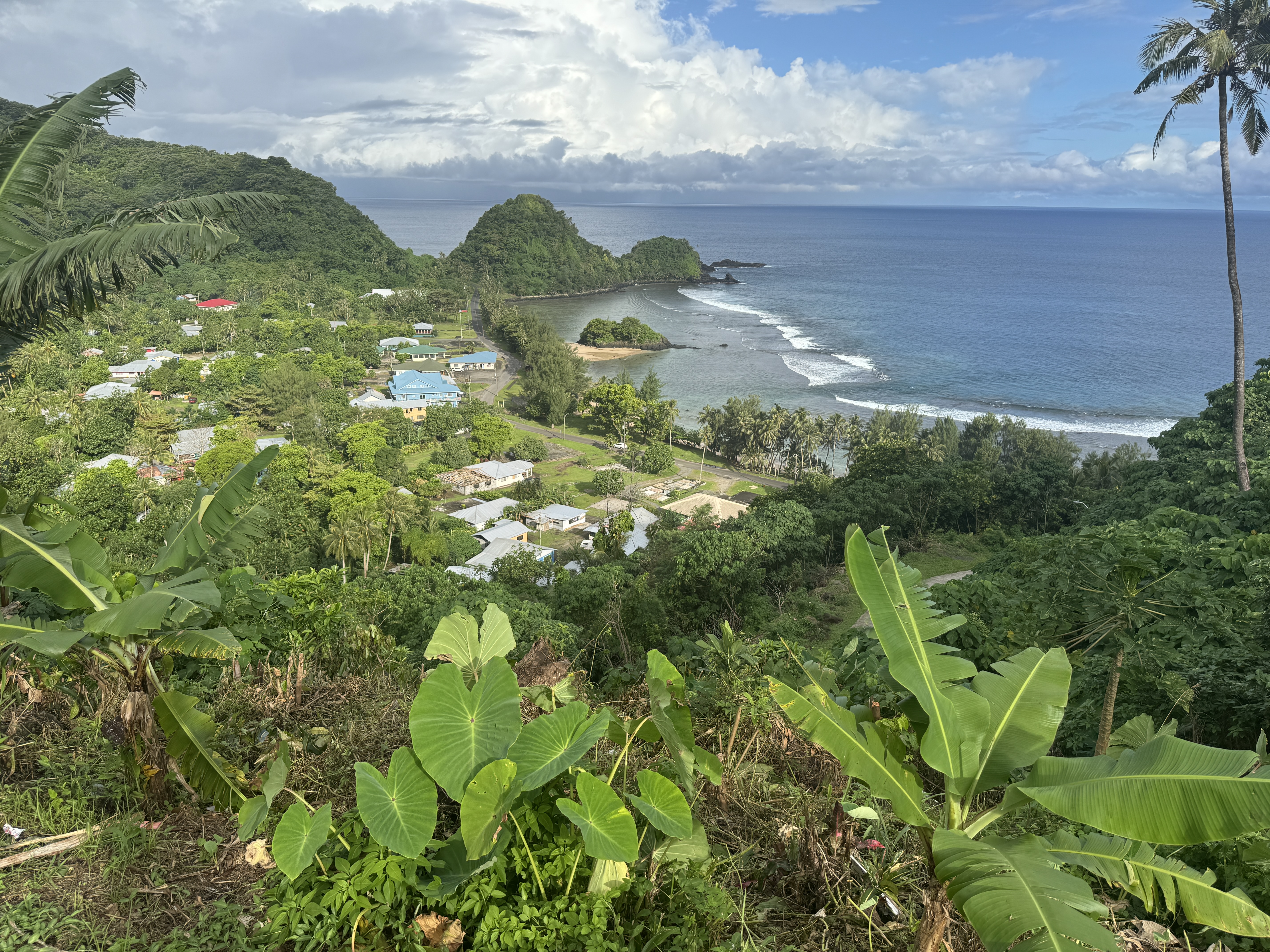
There's a hill here with a good view back to the beach. The village is Amanave.
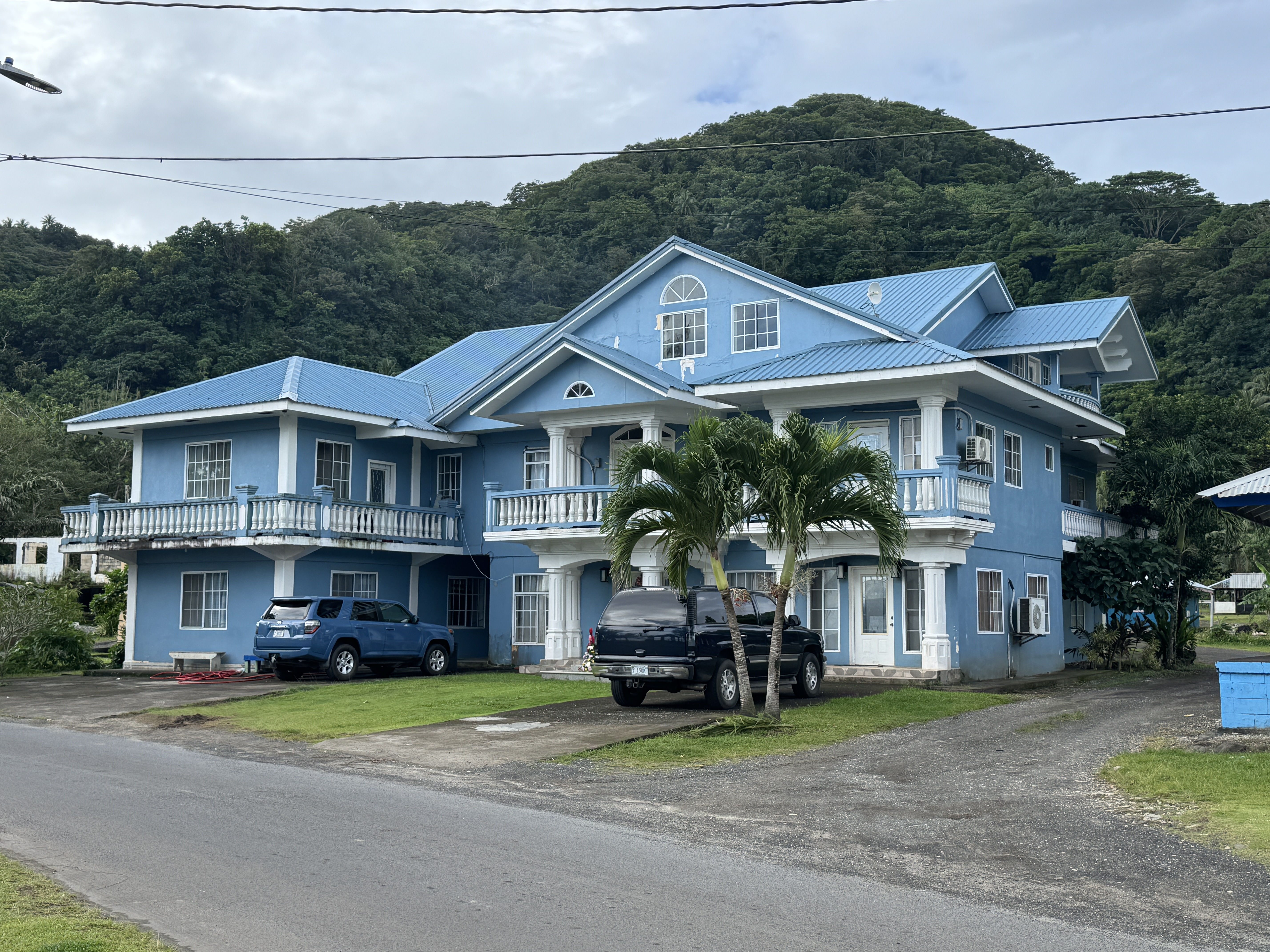
Traditional, sure, just not traditional Samoan.
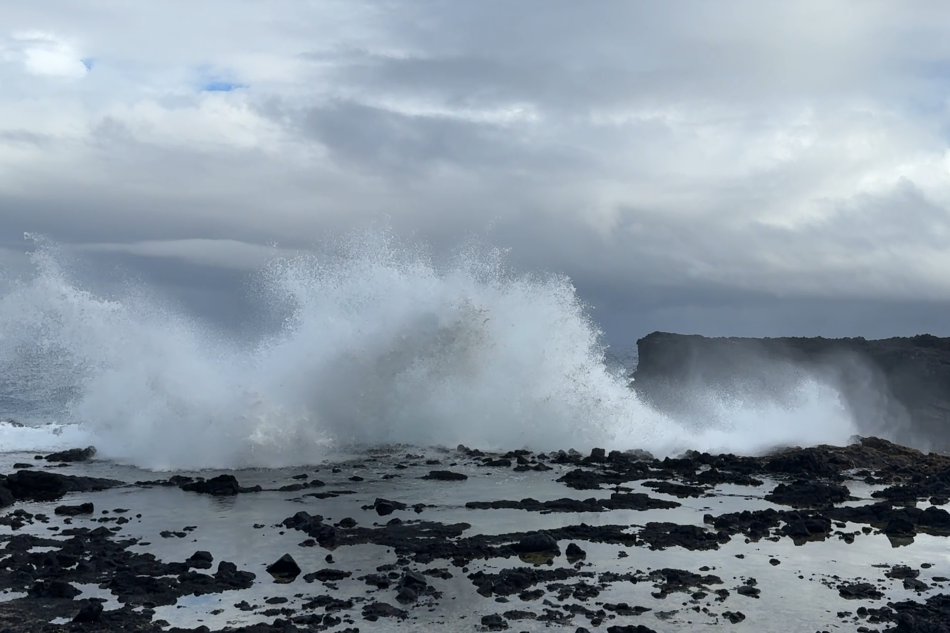
Enough of this nature appreciation, though there's a lot of drama even in places where there's no mountain.
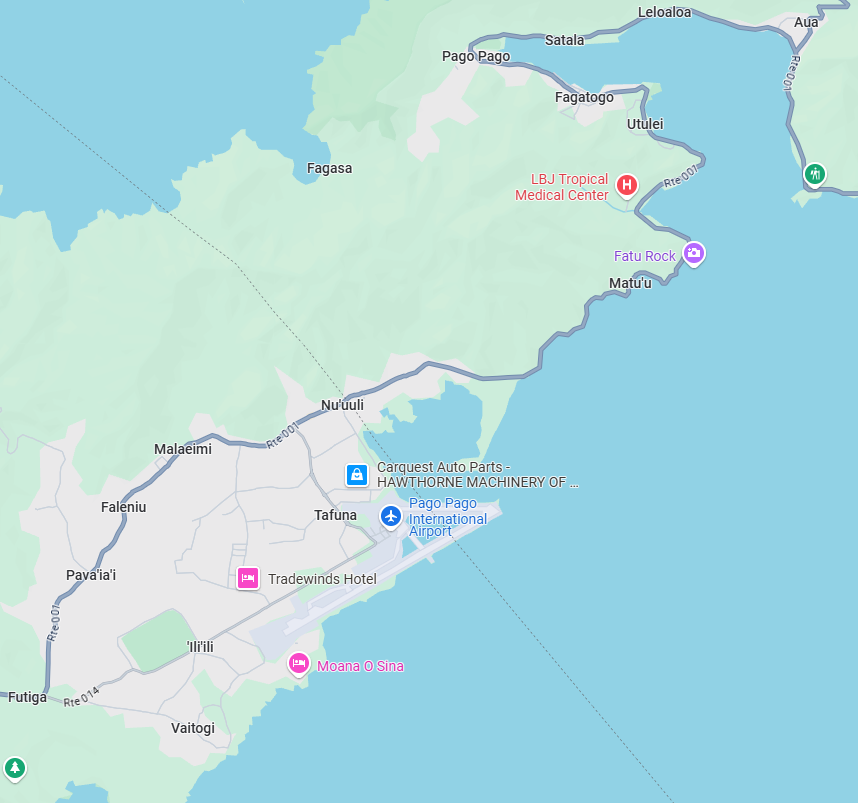
The Navy came in 1900 for the harbor, but there's so little flat land around it that most activity now takes place in the area north of the airport, begun during World War II.
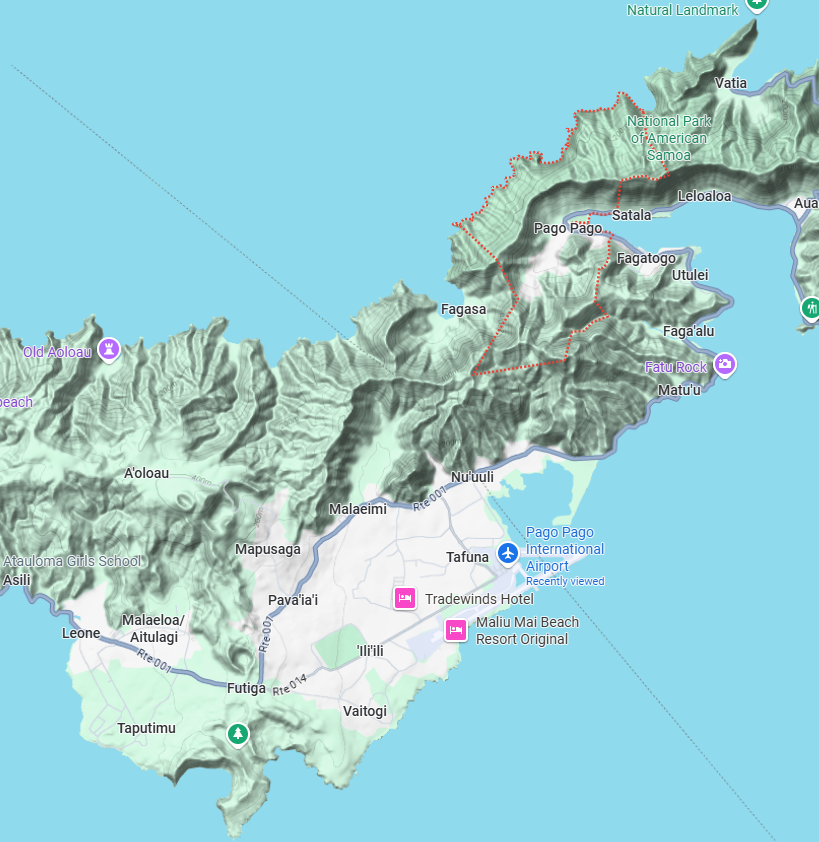
Terrain view makes the case. Call it the Tafuna Plain.
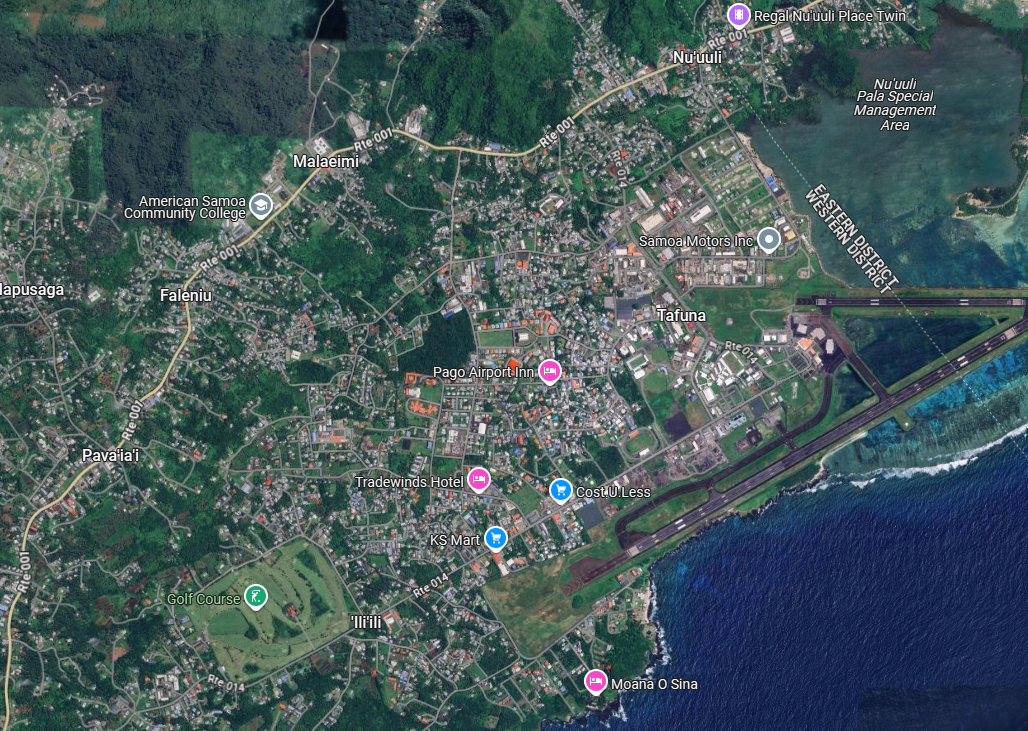
We'll poke around.
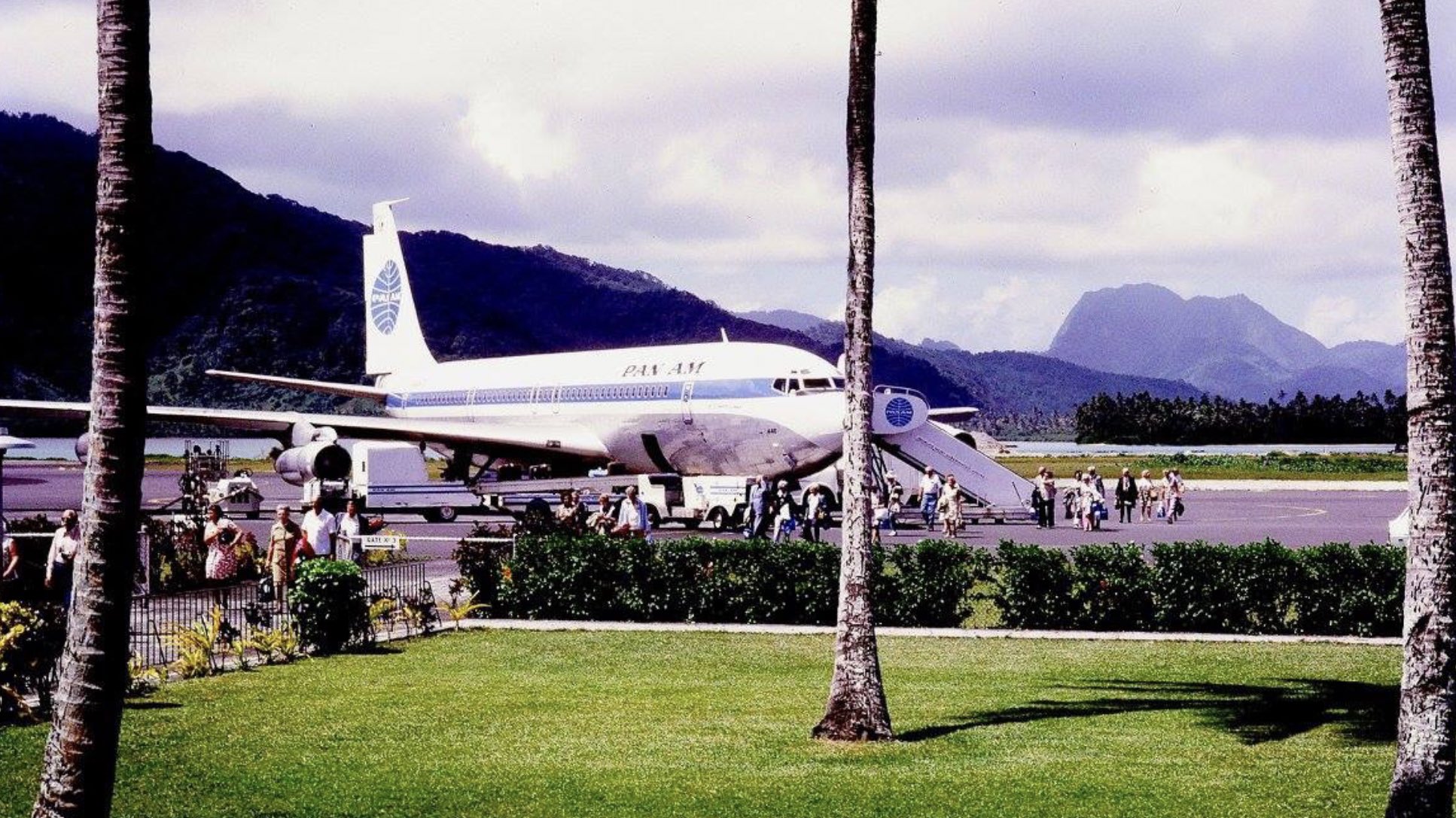
Pan Am flew 707s here, but commercial traffic began with propeller planes in 1959. Earlier still, before the airport, Pan Am had flying boats landing in the harbor.
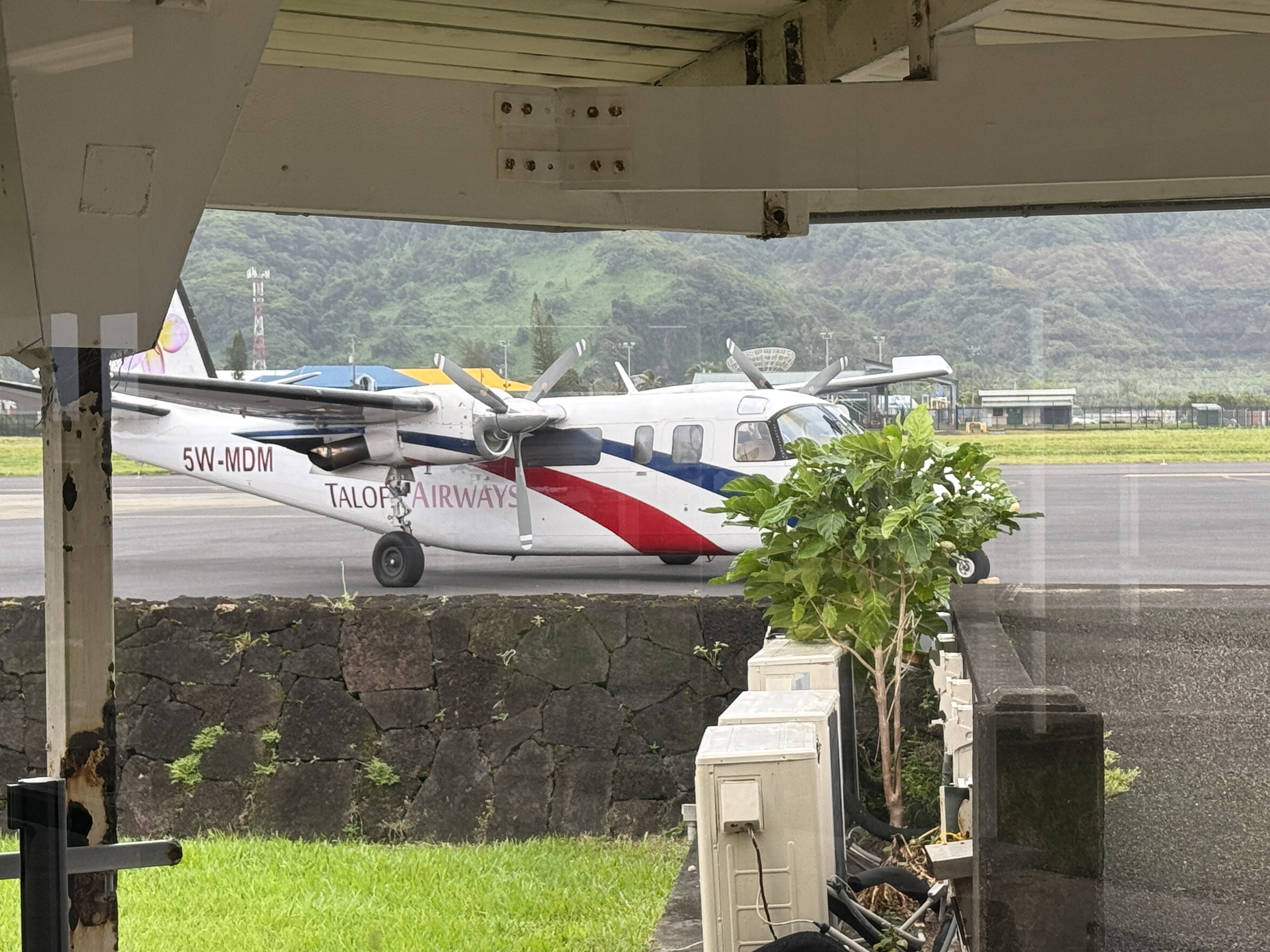
No more Pan Am. Hawaiian Airlines flies three 737s weekly from Honolulu. That's it from the U.S. of A. The alternative is flights from Samoa, about 70 miles to the west. Most of the traffic is handled by Talofa Airways.
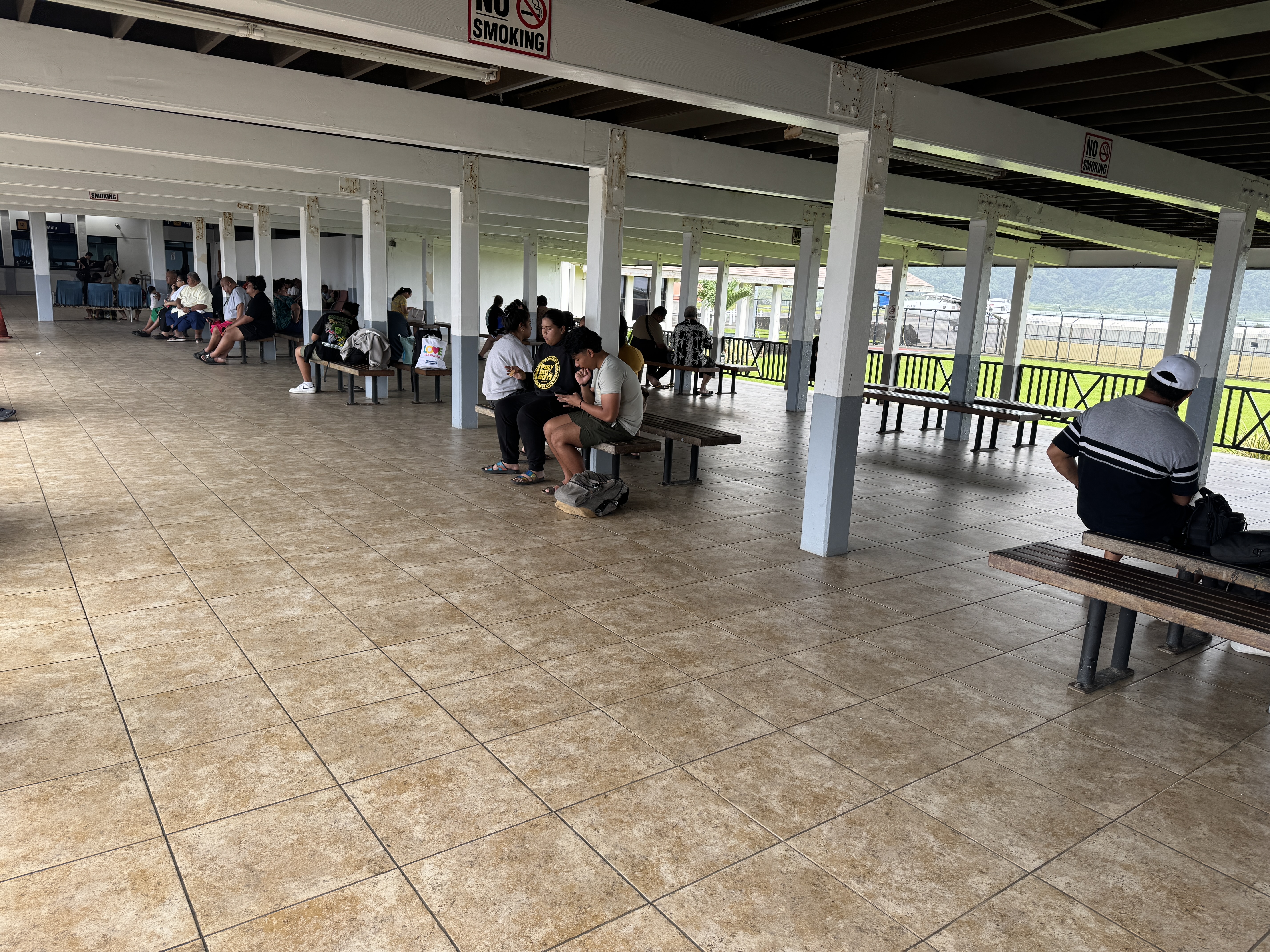
The airport is pretty casual, though arriving passengers do run a gauntlet of CBP inspectors doing their best to look like they're from LAX.
American Samoa, we soon find, is definitely American.
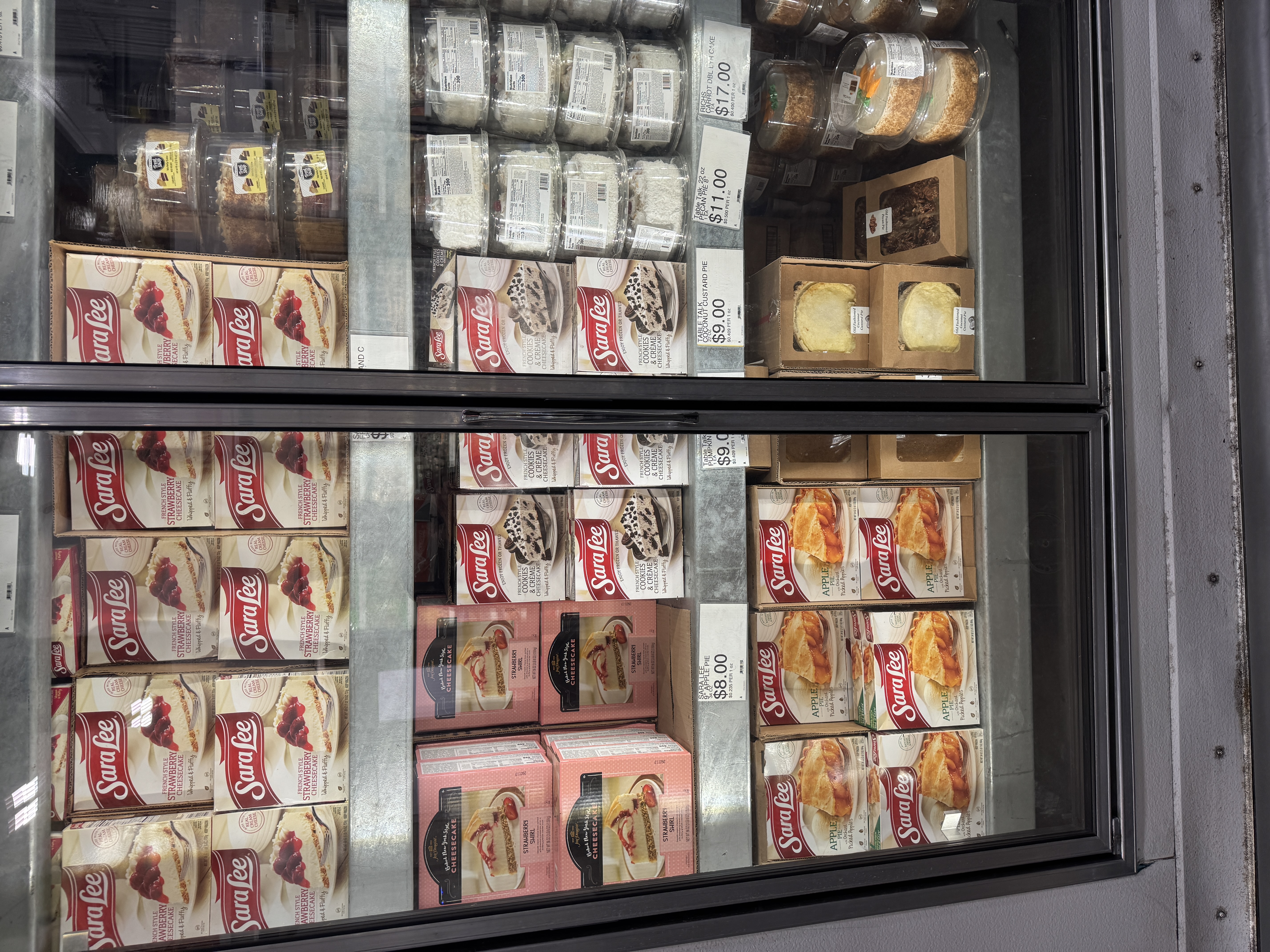
All our buddies.
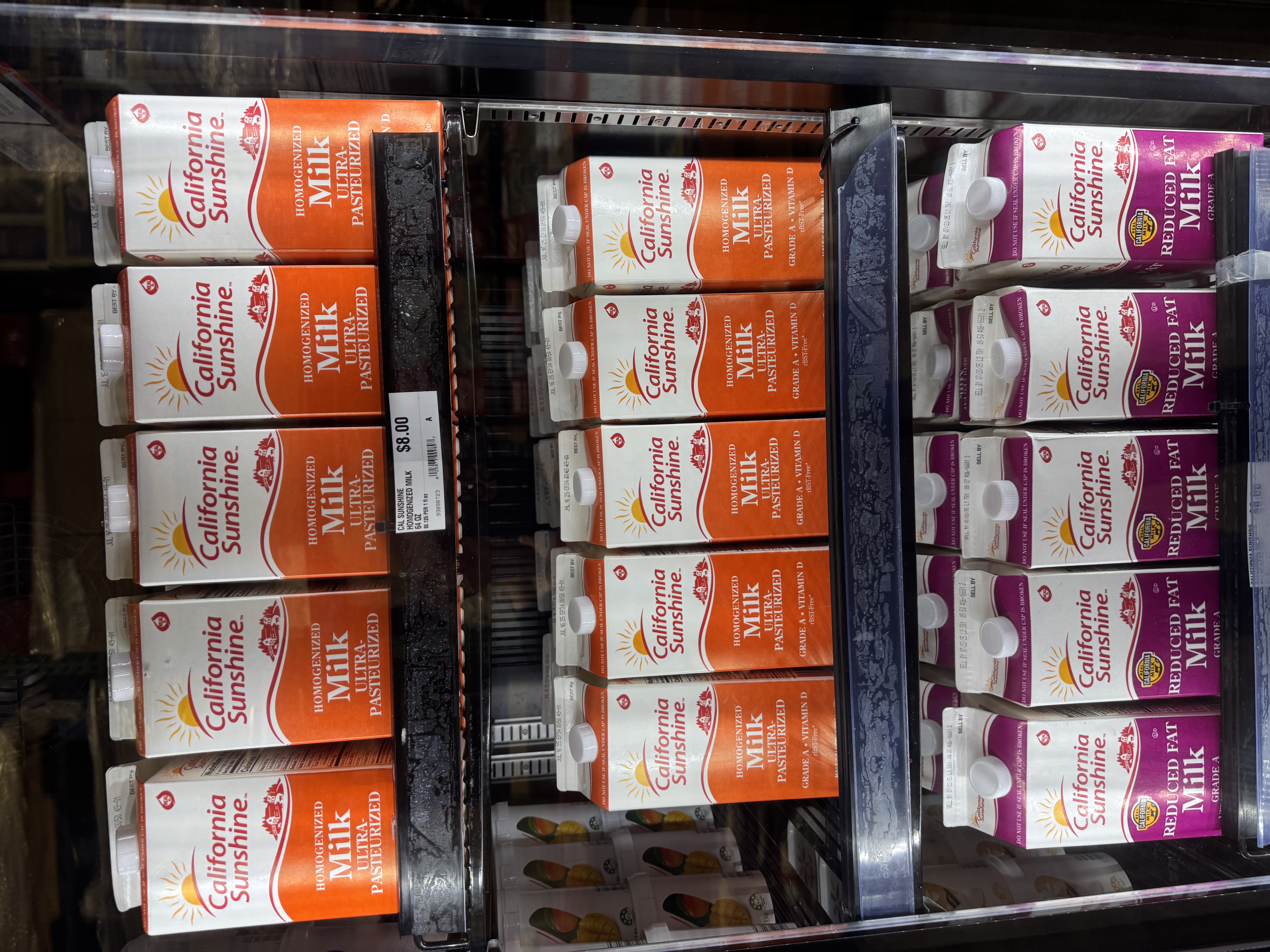
For a price, fresh milk from California. In Samoa proper, most milk is UHT.
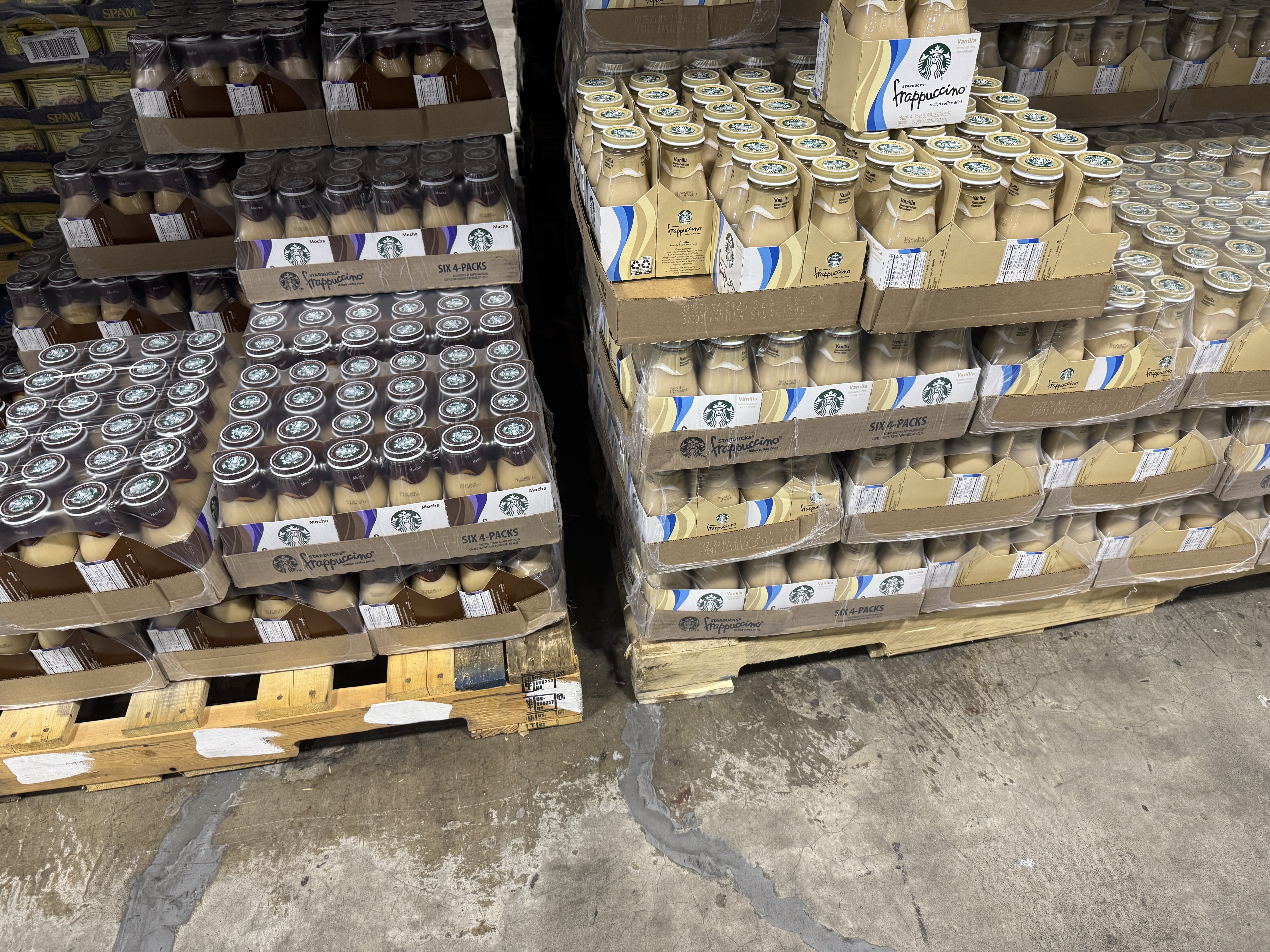
Thank heavens!
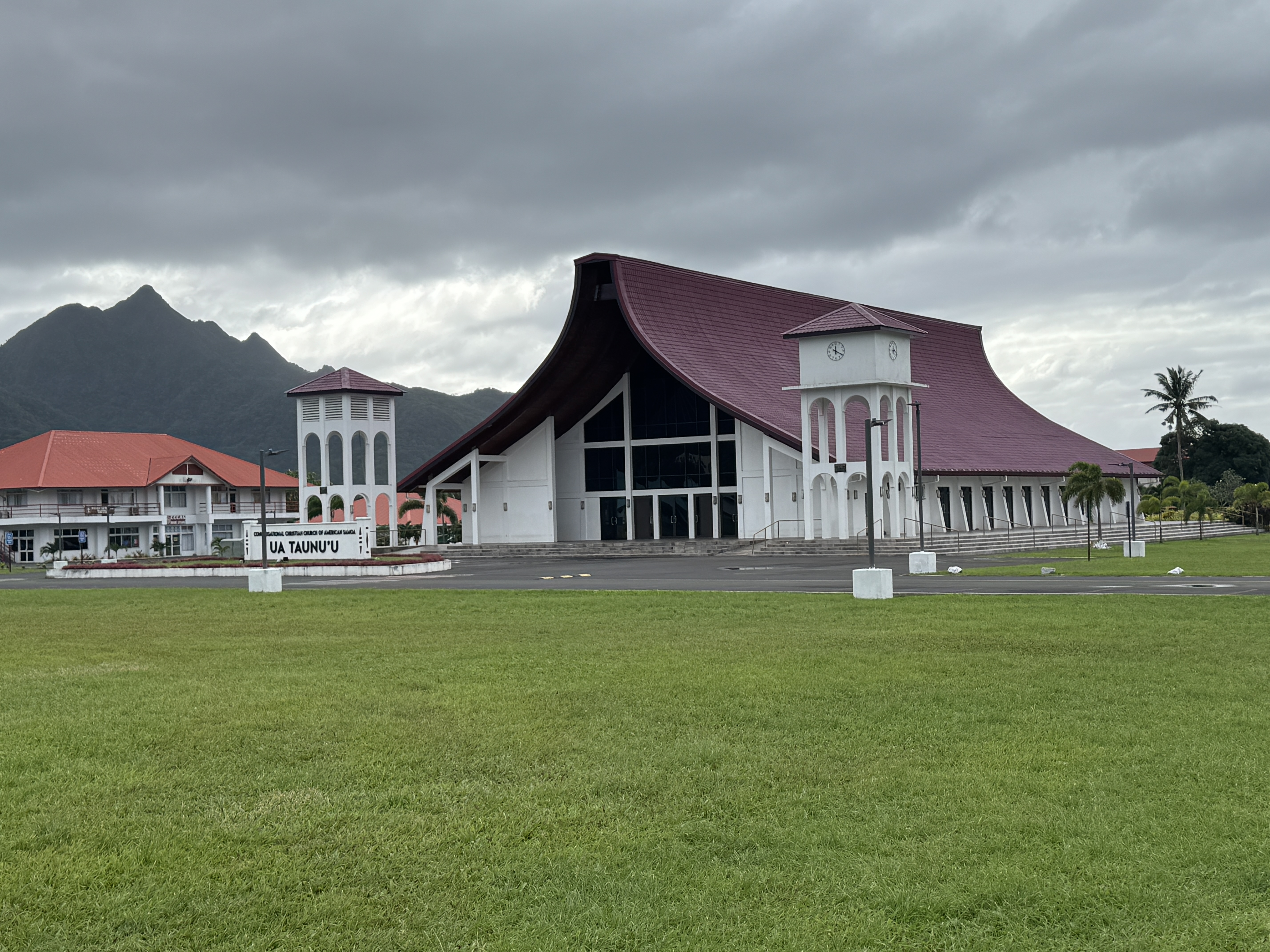
Both here and in Samoa proper, Samoans are seriously religious. Here's a Congregational Christian Church of Samoa, the church established in the archipelago by the London Missionary Society in 1830.
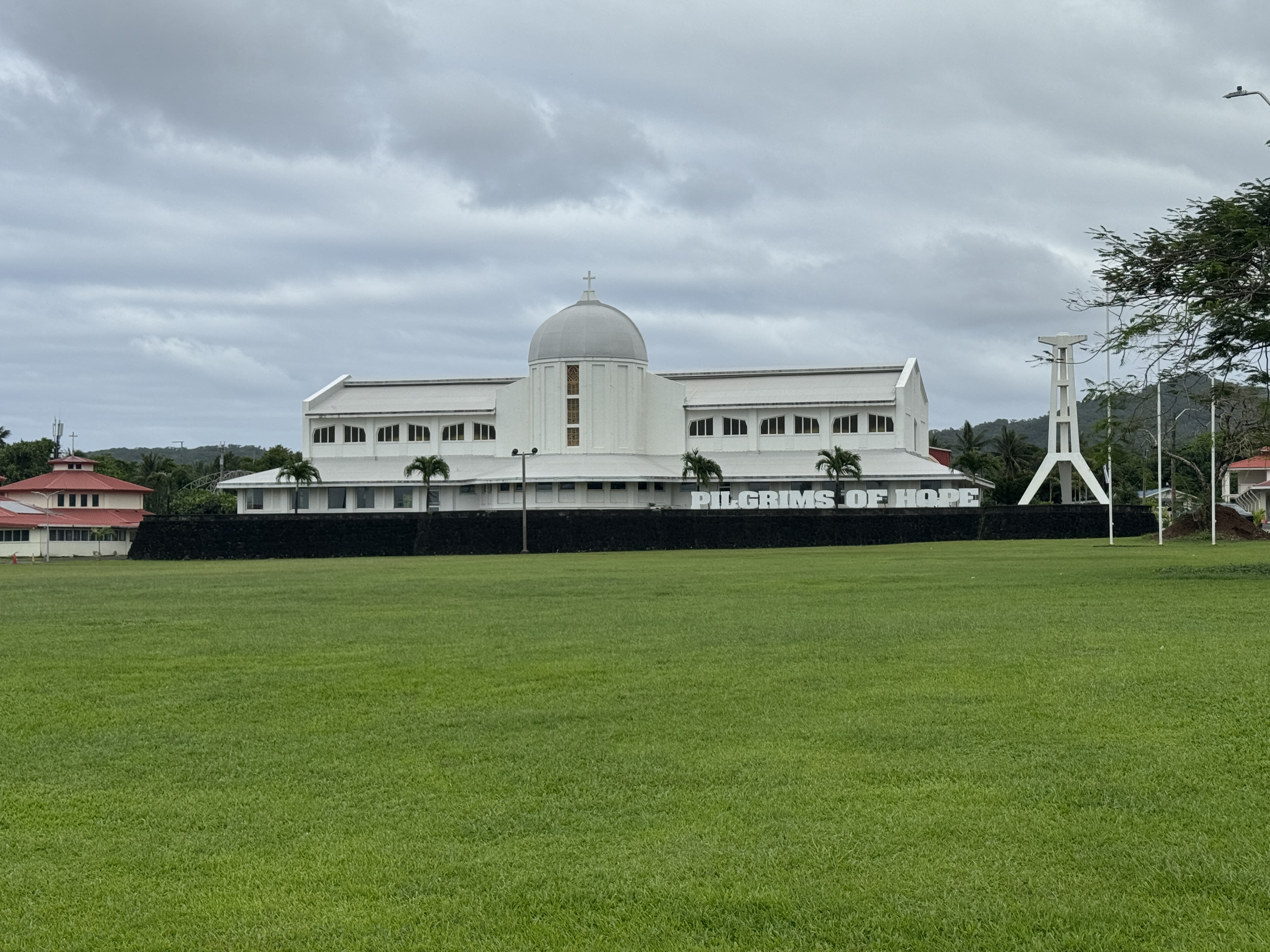
Roman Cathalics came a bit later: here, the Cathedral of the Holy Family.
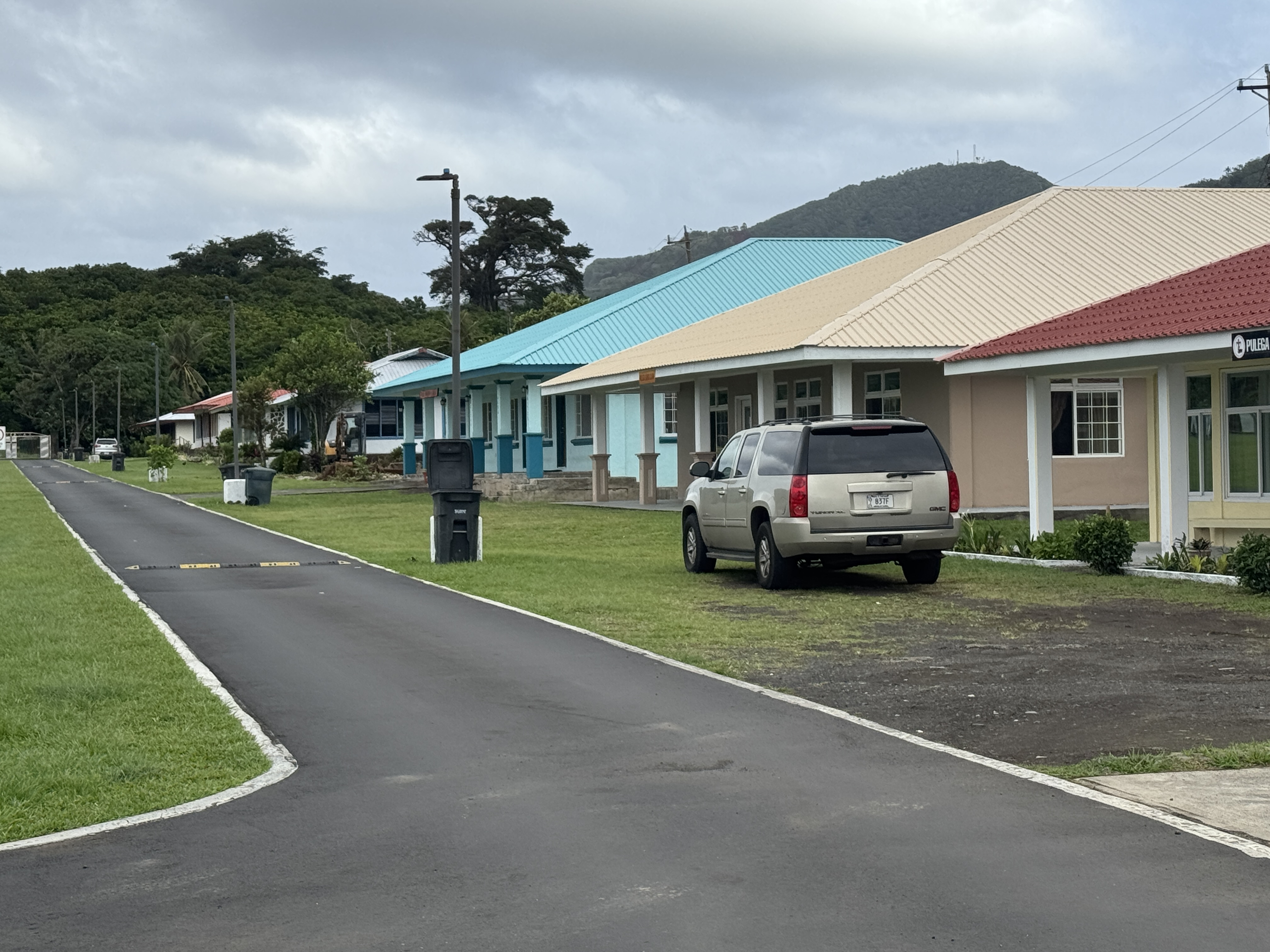
Satellite housing for the elderly.
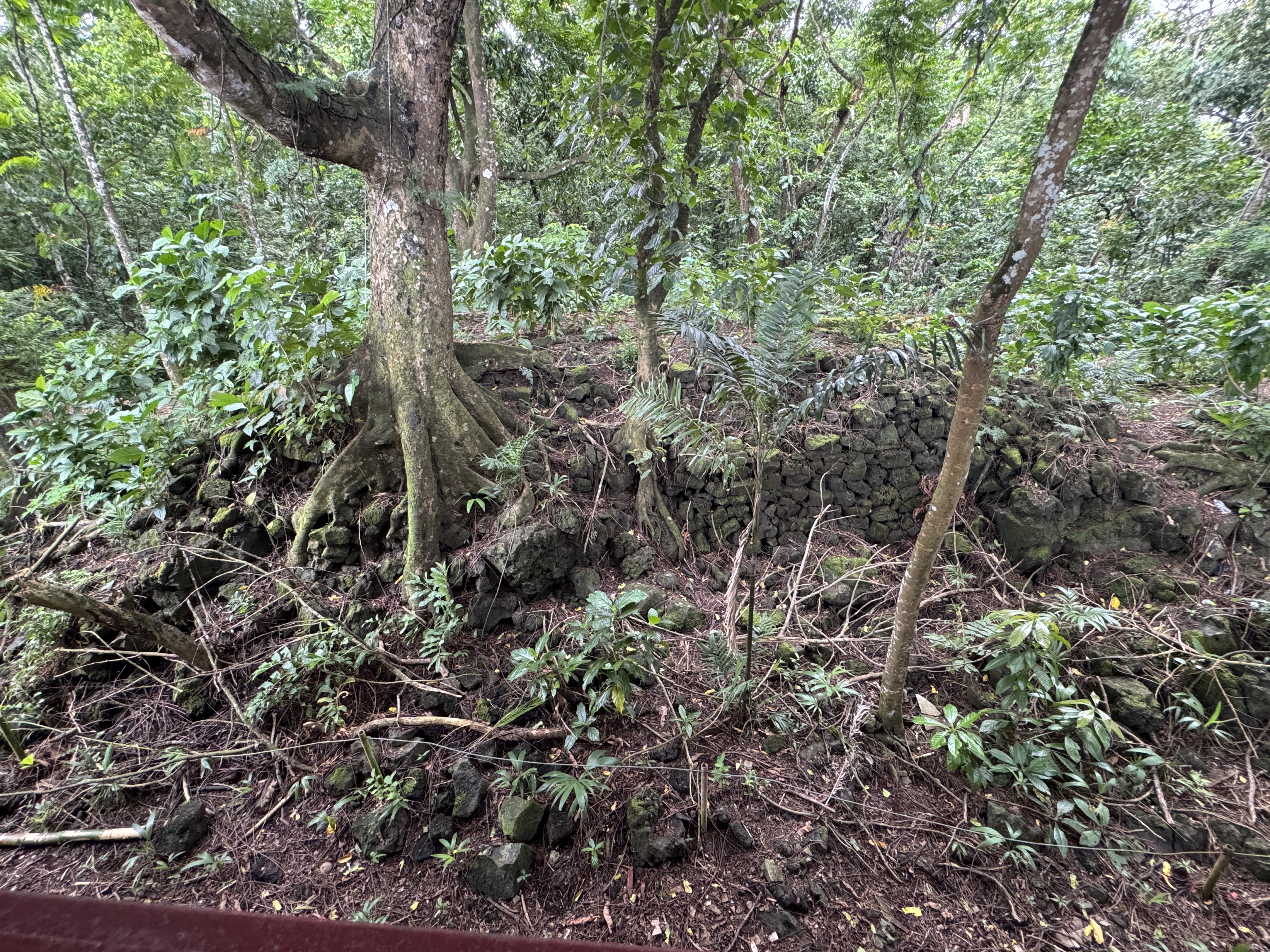
We've moved 50 feet. Stare a bit and you'll see a stone wall. This is a star mound, a relic of the pre-European past. Its function is unclear, though you can find guesses. The odd thing is that, just as traditional houses are kaput, so, too, there is almost no attention paid to the surviving bits of the more distant past.
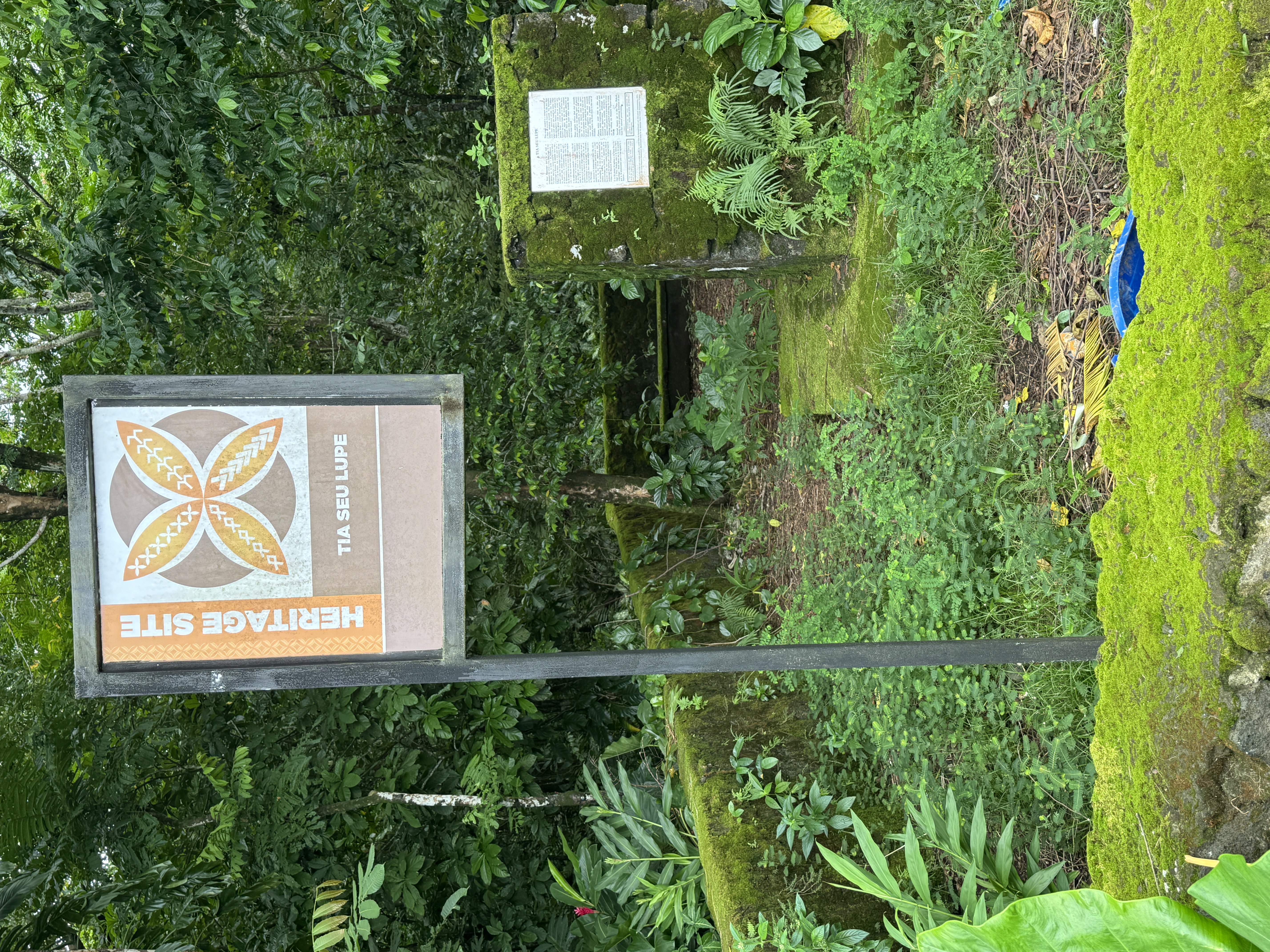
You have to hunt for it.
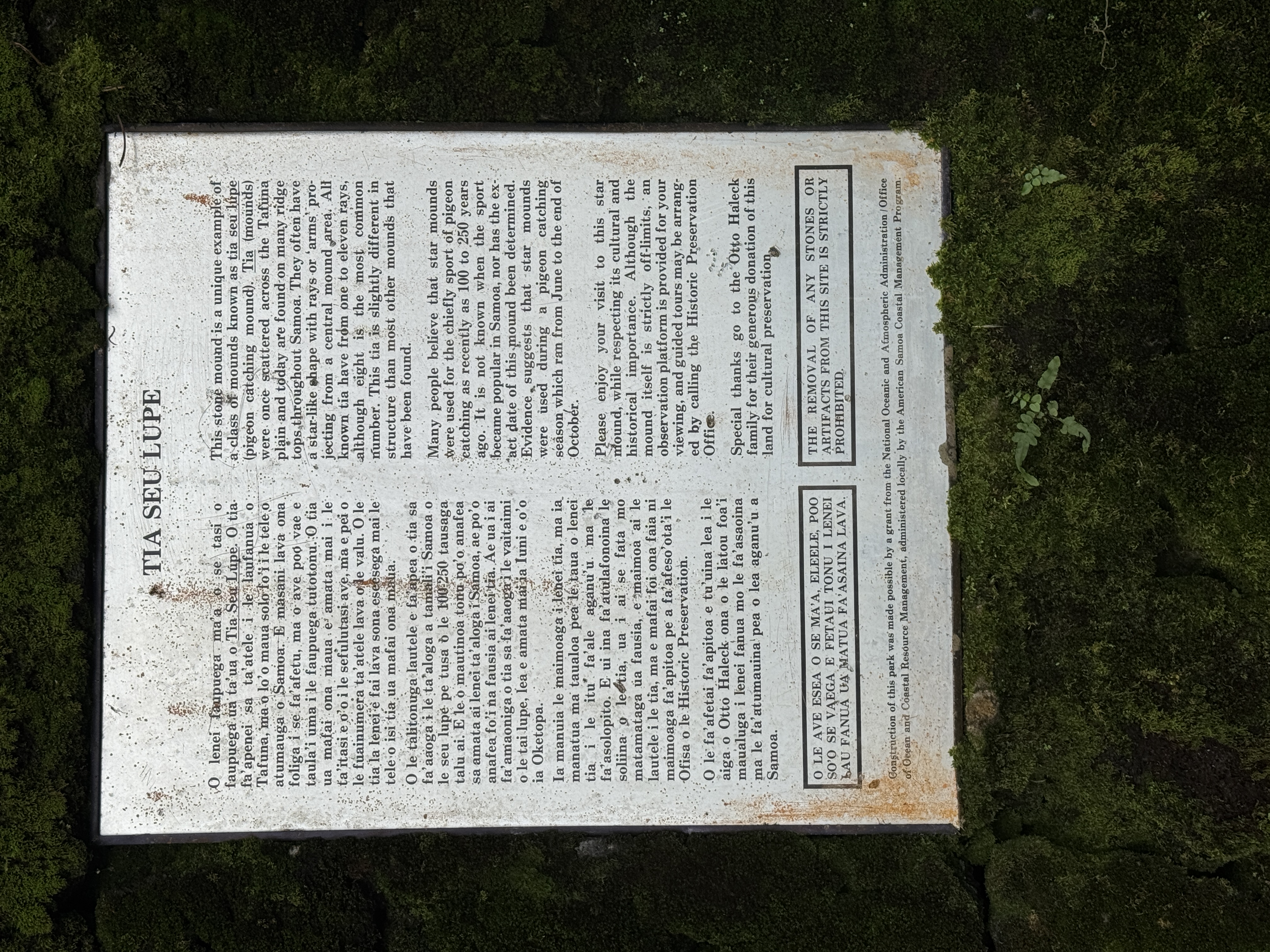
You're welcome.
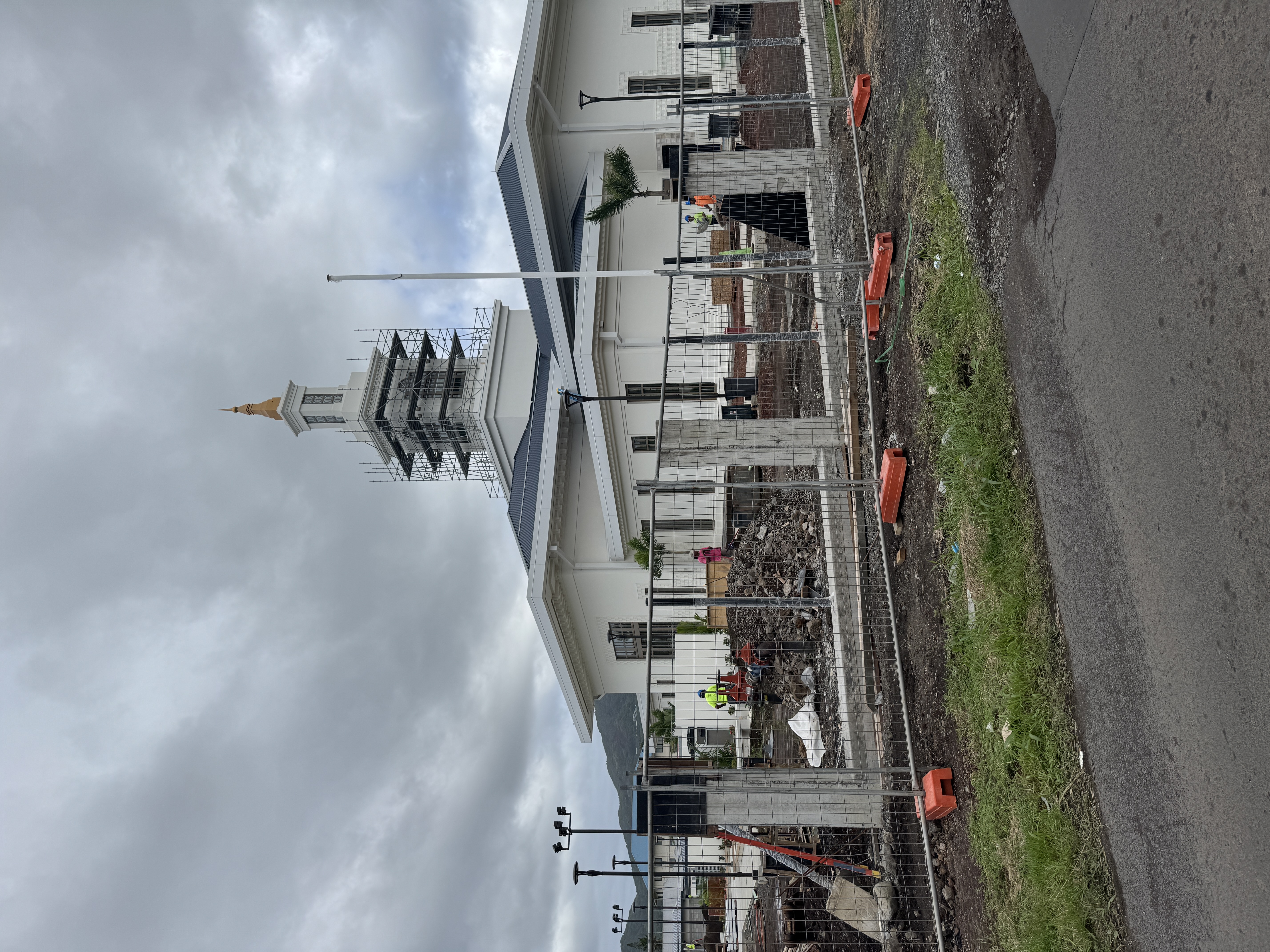
A Mormon temple. The LDS have been in Samoa since the 1800s.
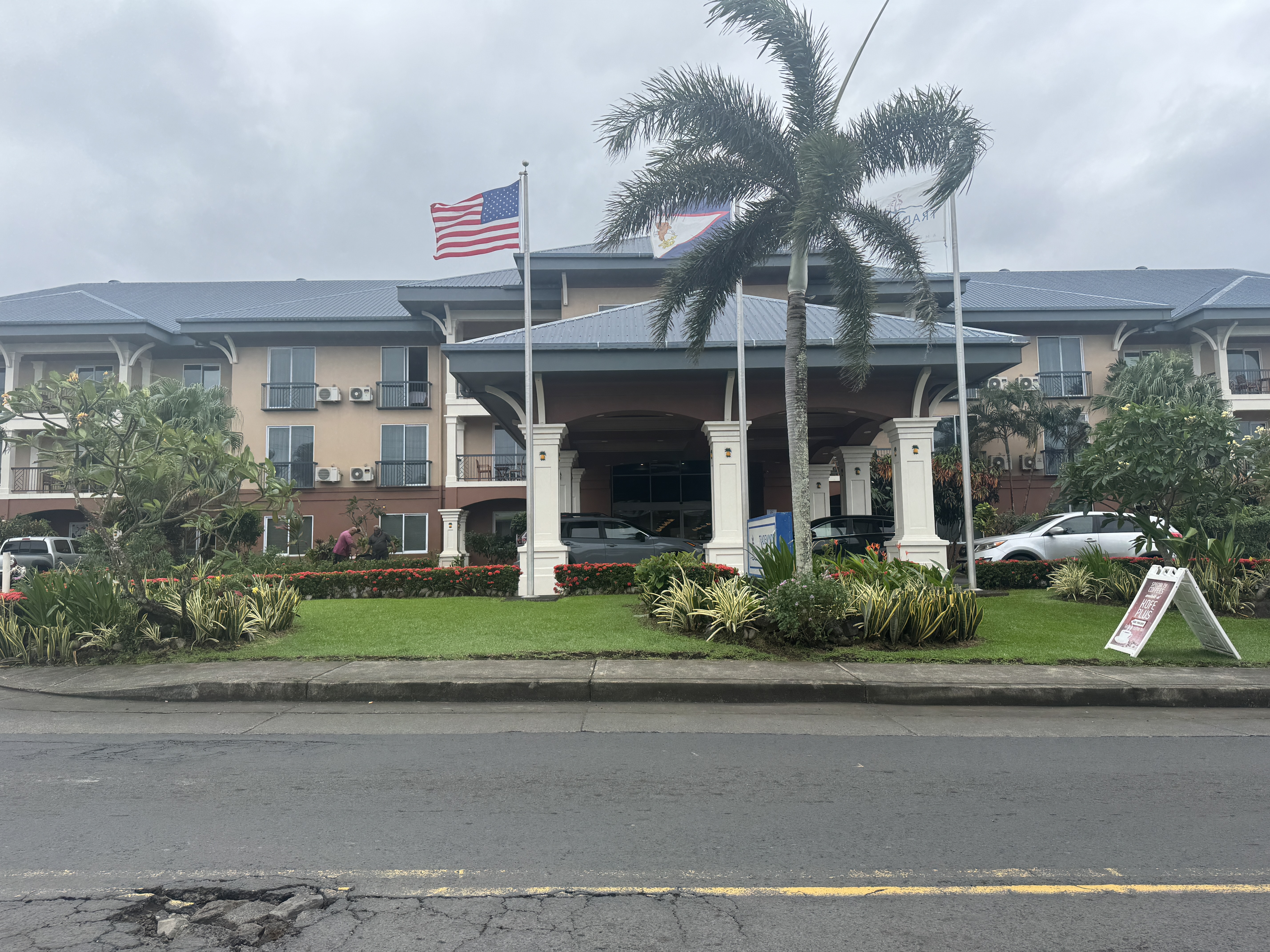
Inexcusably, I neglected to photograph the island's McDonald's, which is near the airport. So is this, the island's only conventional hotel. It's nothing special, but it's owned by Dave Haleck, grandson of Otto Haleck, who was active on this island a century ago. The hotel sits on land he owned and used as a plantation. That's why the neighborhood is called Ottoville.
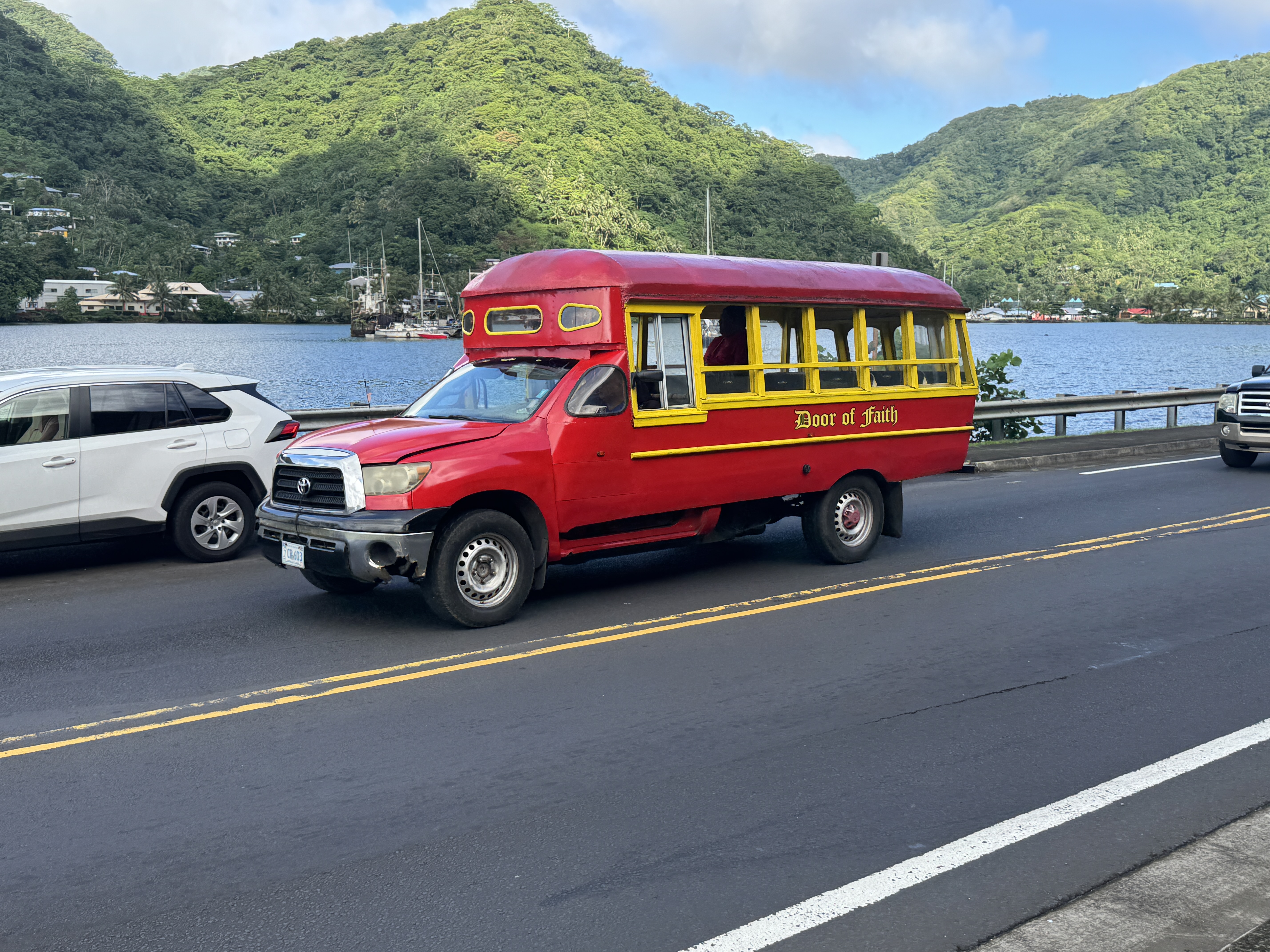
Public transport between the Tafuna Plain and the harbor depends on aiga ("family") buses The chassis is usually from Ford, but next door, in Samoa proper (until 1997 Western Samoa), the chassis will be from Toyota.
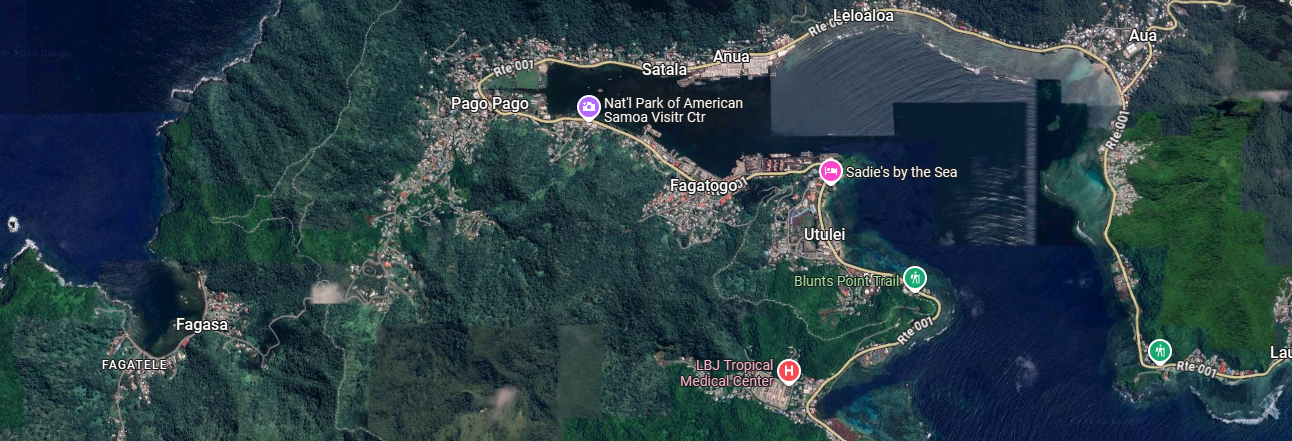
The famous harbor is the "safest and best harbor in the South Seas," according to the U.S. Navy (American Samoa: A General Report by the Governor, 1927, p. 2).
Charles Wilkes, leader of a U.S. Navy expedition, wrote that the harbor, hidden behind a twisting coastline, was "the last point at which one would look for a place of shelter" (Charles Wilkes, Narrative of the United States' Exploring Expedition, Condensed and Abridged, 1844, p. 89).
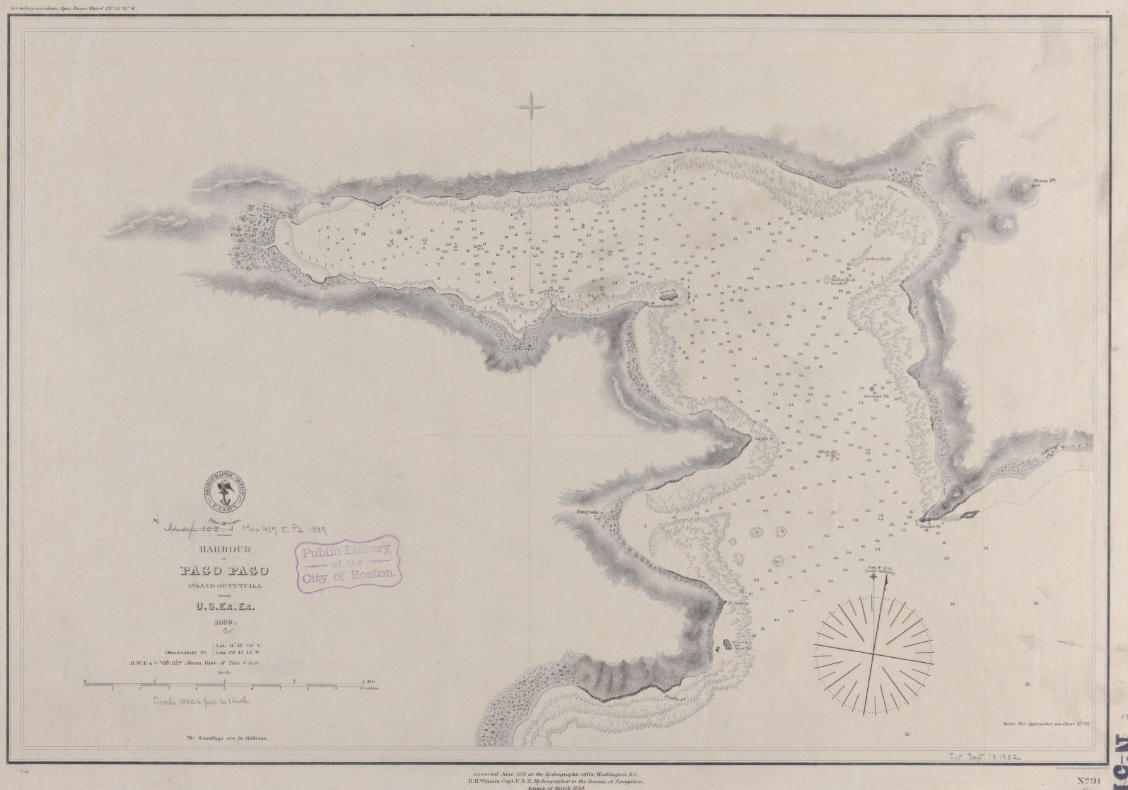
Here's the map Wilkes prepared. Another 60 years passed before the U.S. Navy established a base here.
https://www.digitalcommonwealth.org/search/commonwealth:nc583b14z
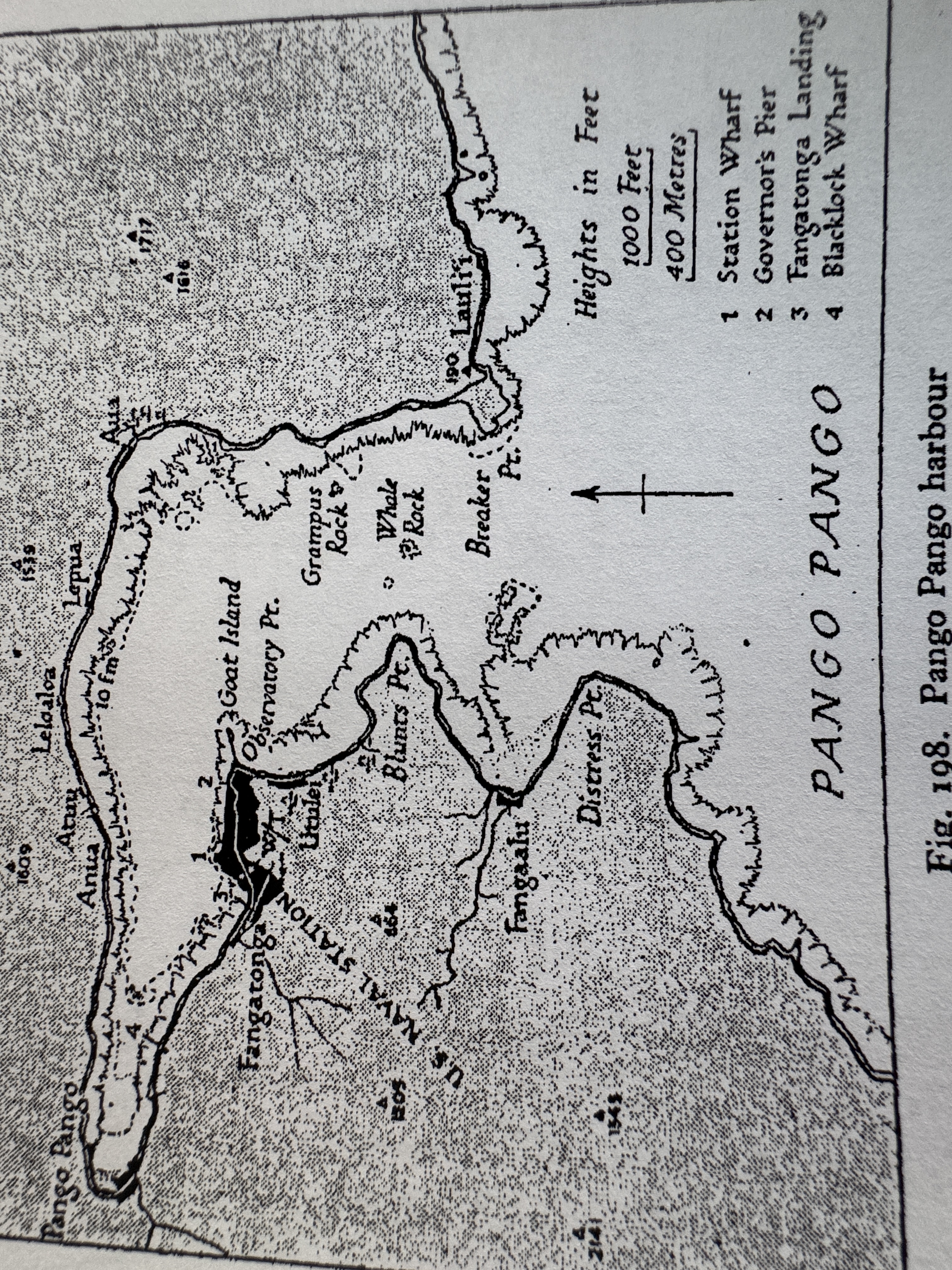
Margery Perham, in 1929 a very young British historian, arrived on a Matson liner from Hawaii and wrote, "suddenly the boat turned and we saw before us the entrance to the land-locked harbour that makes a crooked arm into the heart of the island. The harbour looks what it is, the crater of an enormous volcano..." (Perham, Pacific Prelude, p. 78).
The Navy station, marked in black, is at a village called Fagatoga (spelled here phonetically more accurately). Pago Pago is shown as the village at the head of the harbor. By convention, its name is applied to the entire harbor, as well as the airport.
(British Naval Intelligence, Pacific Islands, vol. 2 (B.R. 519b), p. 658; the uncredited Samoa chapters were written by Adrian Digby.)
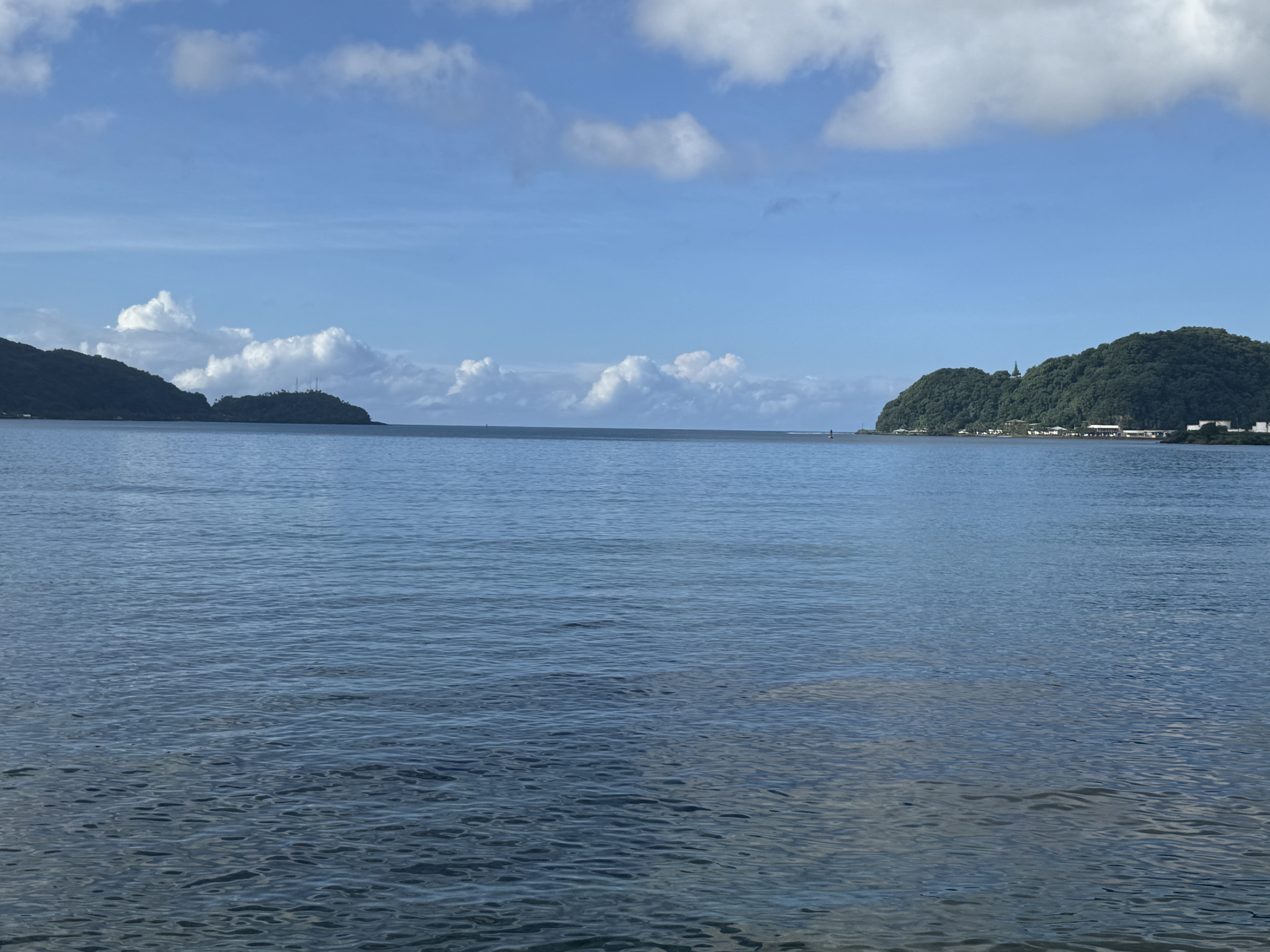
A view of the harbor from Pago Pago. The old naval station, now a civilian port, is on the right.
Here's that view we saw before from the road up from Aua. Lewis Freeman, writing in 1920, observed that the harbor might pass for a Swiss lake, except for the heavy forest (Freeman, In the Tracks of the Trades, p. 213).
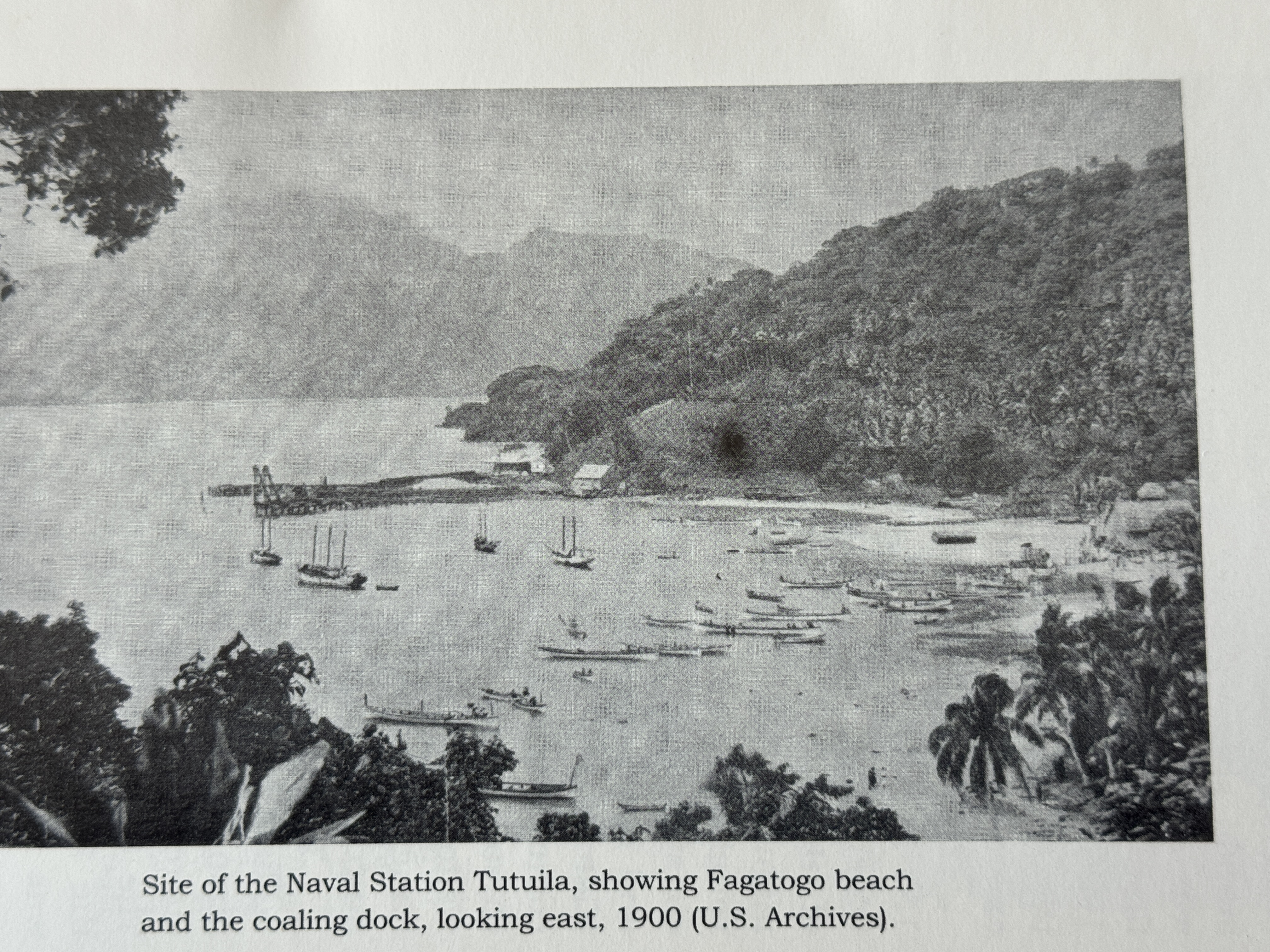
The site of the naval station in 1900.
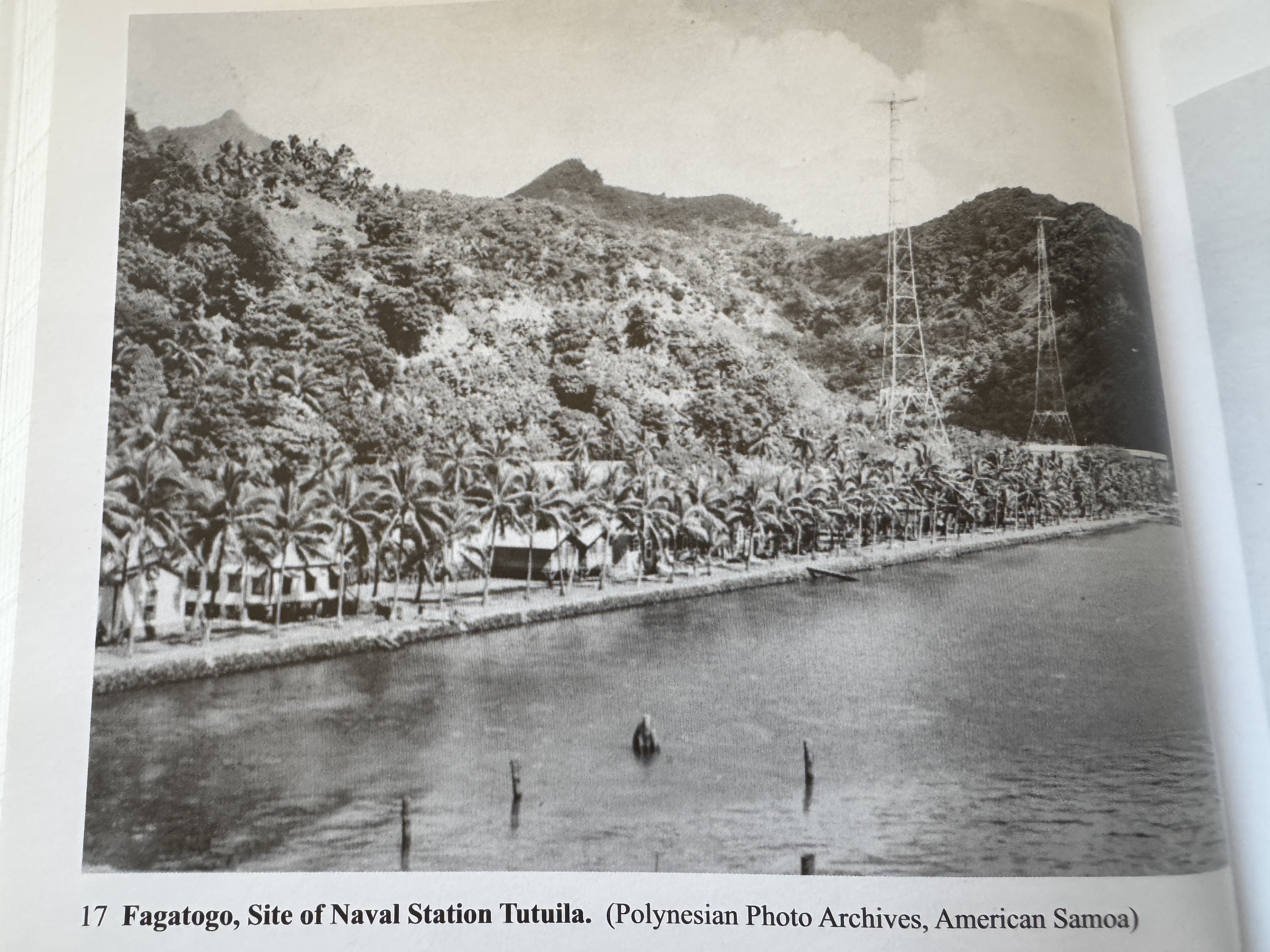
An early view of the station including its radio towers, later rebuilt and then removed by 1970.
(Joseph Kennedy, The Tropical Frontier; America's South Sea Colony, 2009, following p. 86).
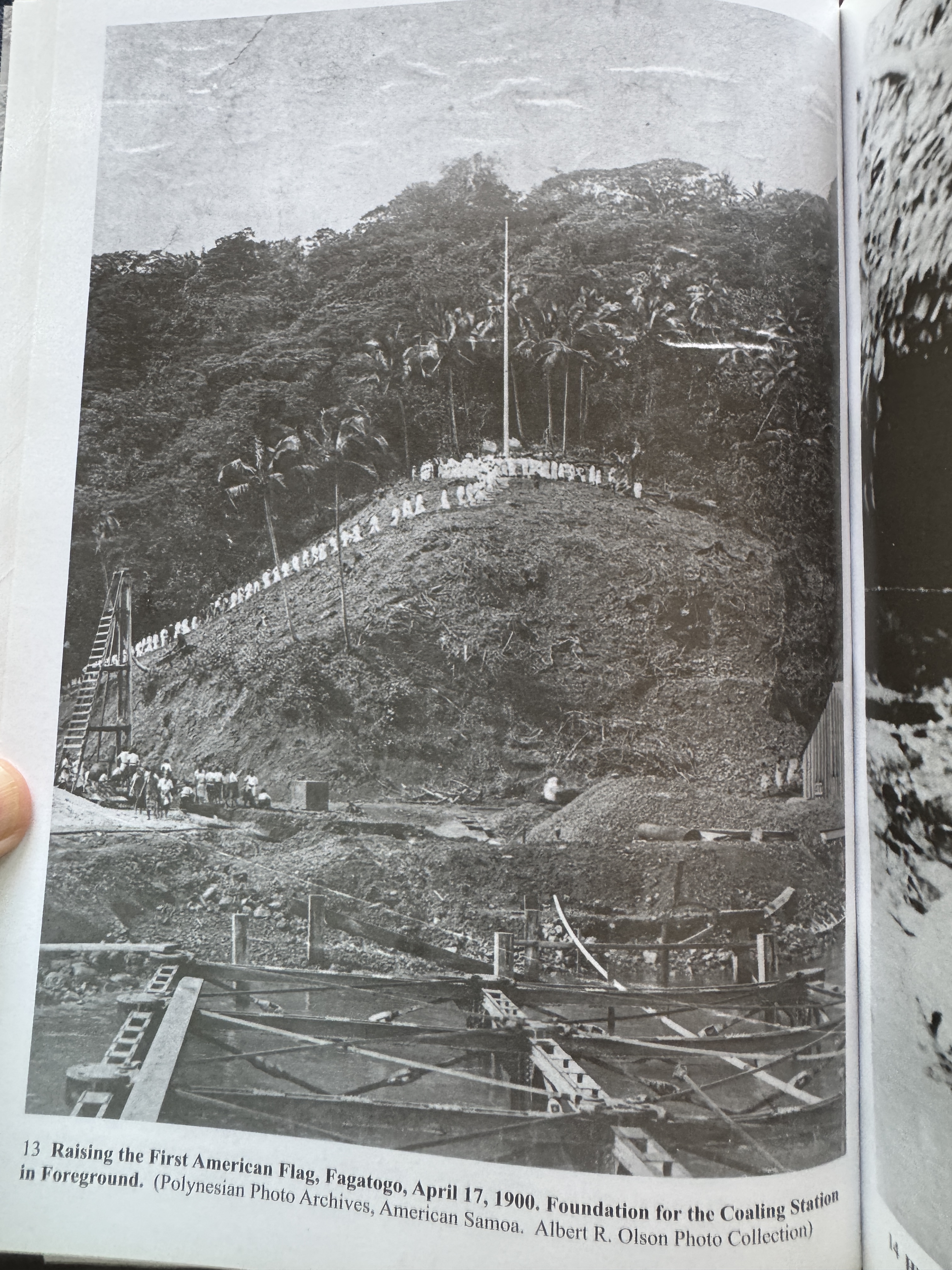
A ceremonial first-raising of the American flag, 1900. (Joseph Kennedy, The Tropical Frontier; America's South Sea Colony, 2009, following p. 86).
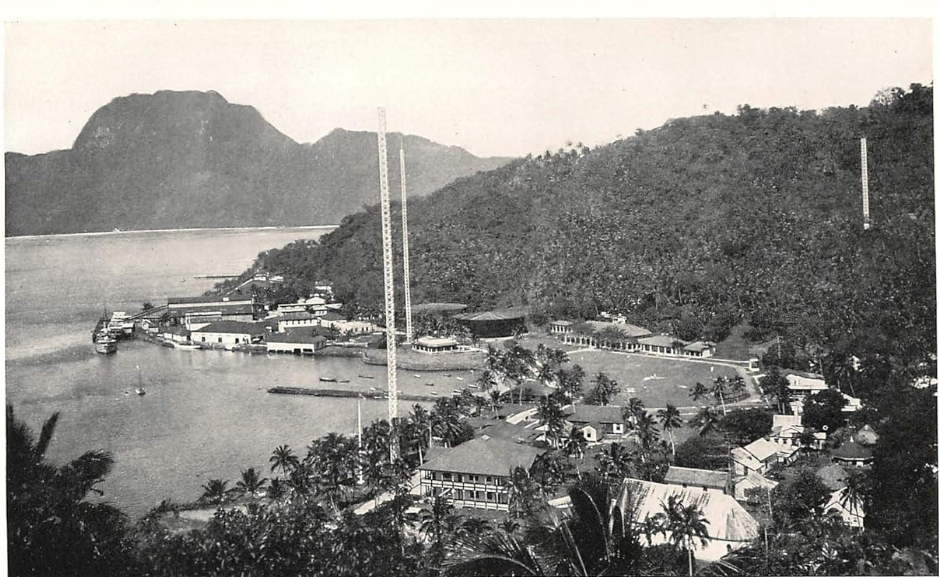
The naval station in the 1920s. Most of the buildings shown here exist today, though the radio towers are gone.
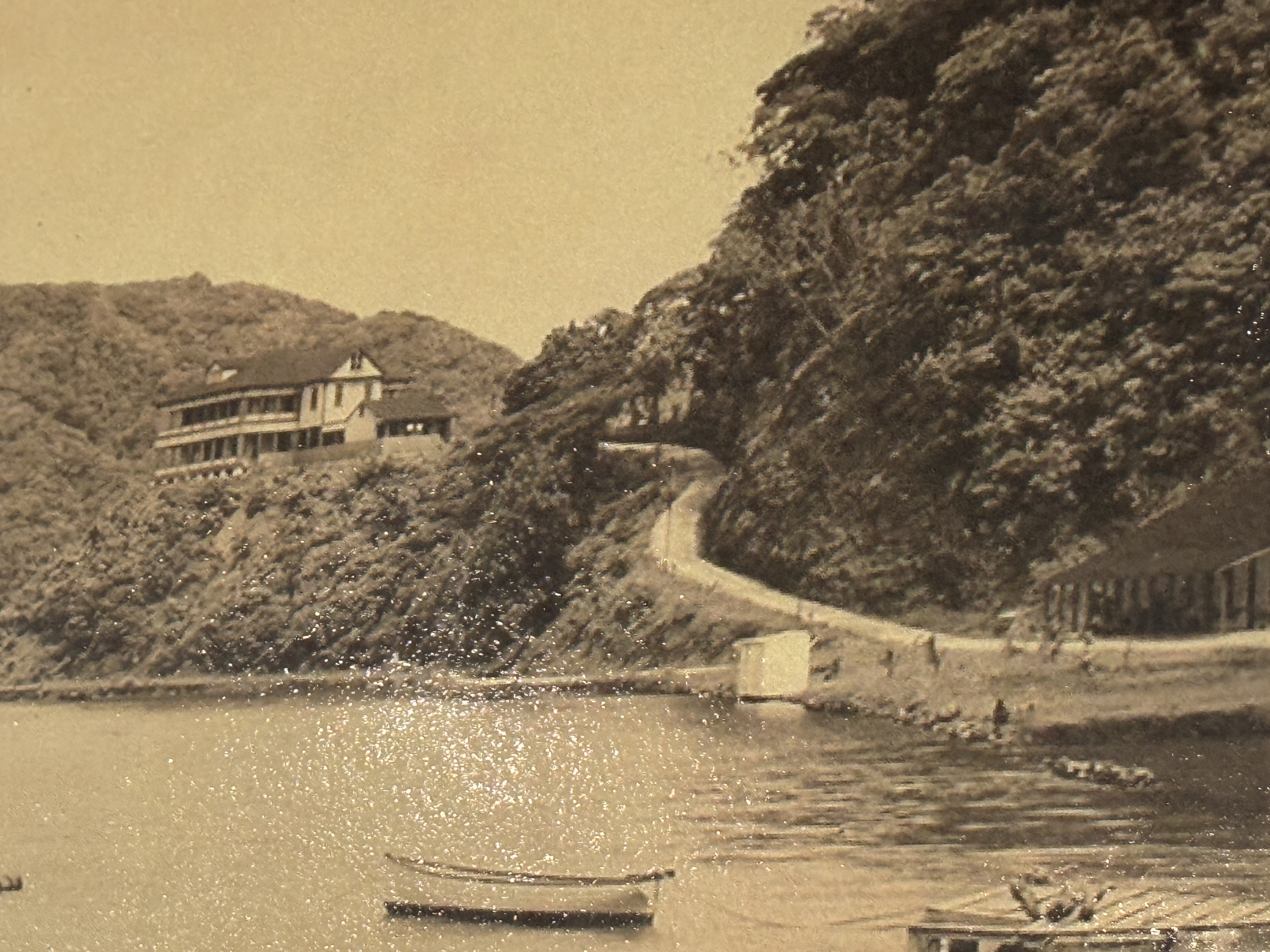
The prestige property was the governor's house.
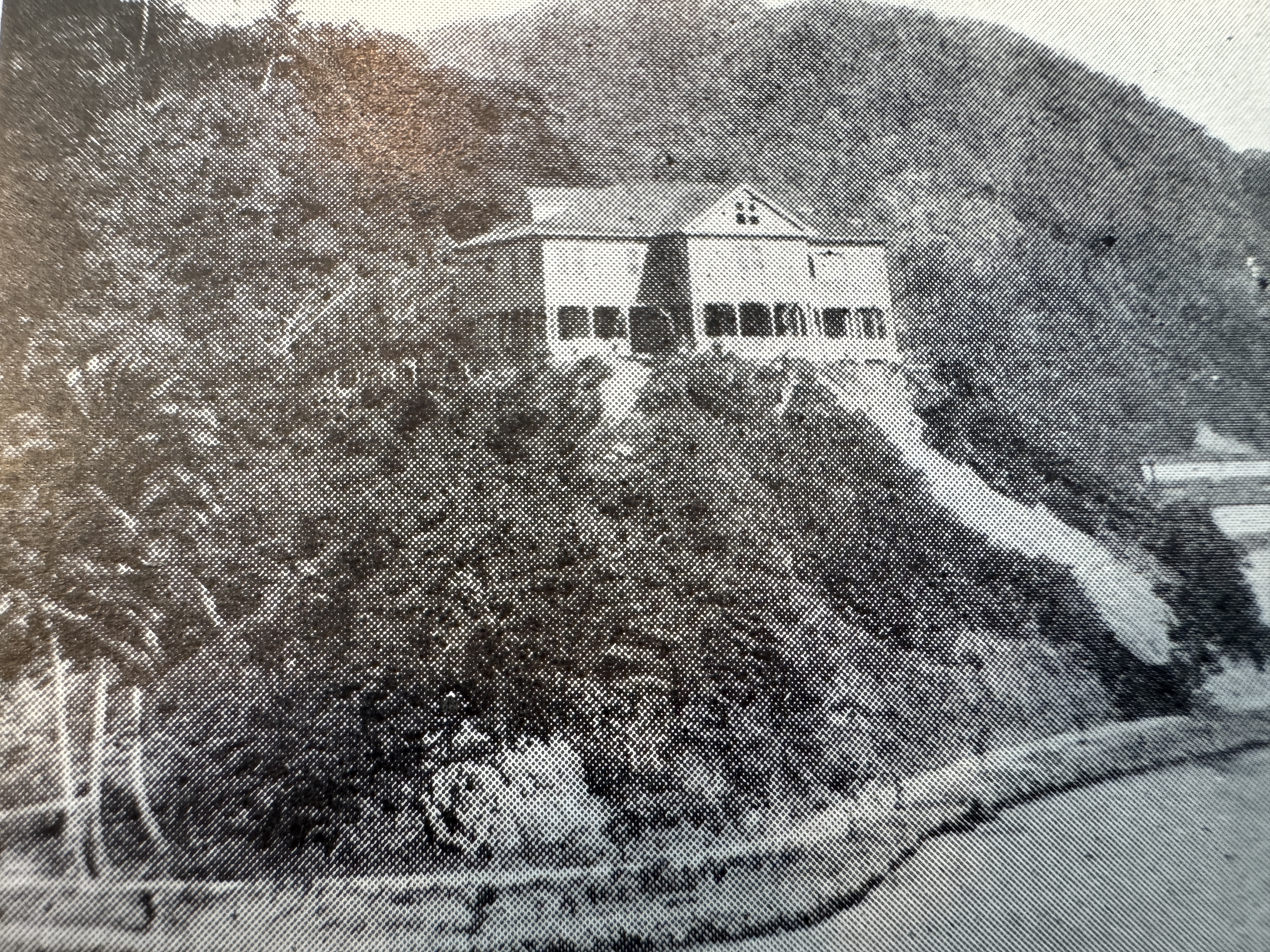
It stood on a hill directly over the docks. Margery Perham, a guest of the governor, wrote, "Government House, perched right on the summit of a spur of a rock which thrusts into the middle of the water and buried in trees and flowers, is in a position in which no human being is quite good enough to live" (Perham, p. 78).
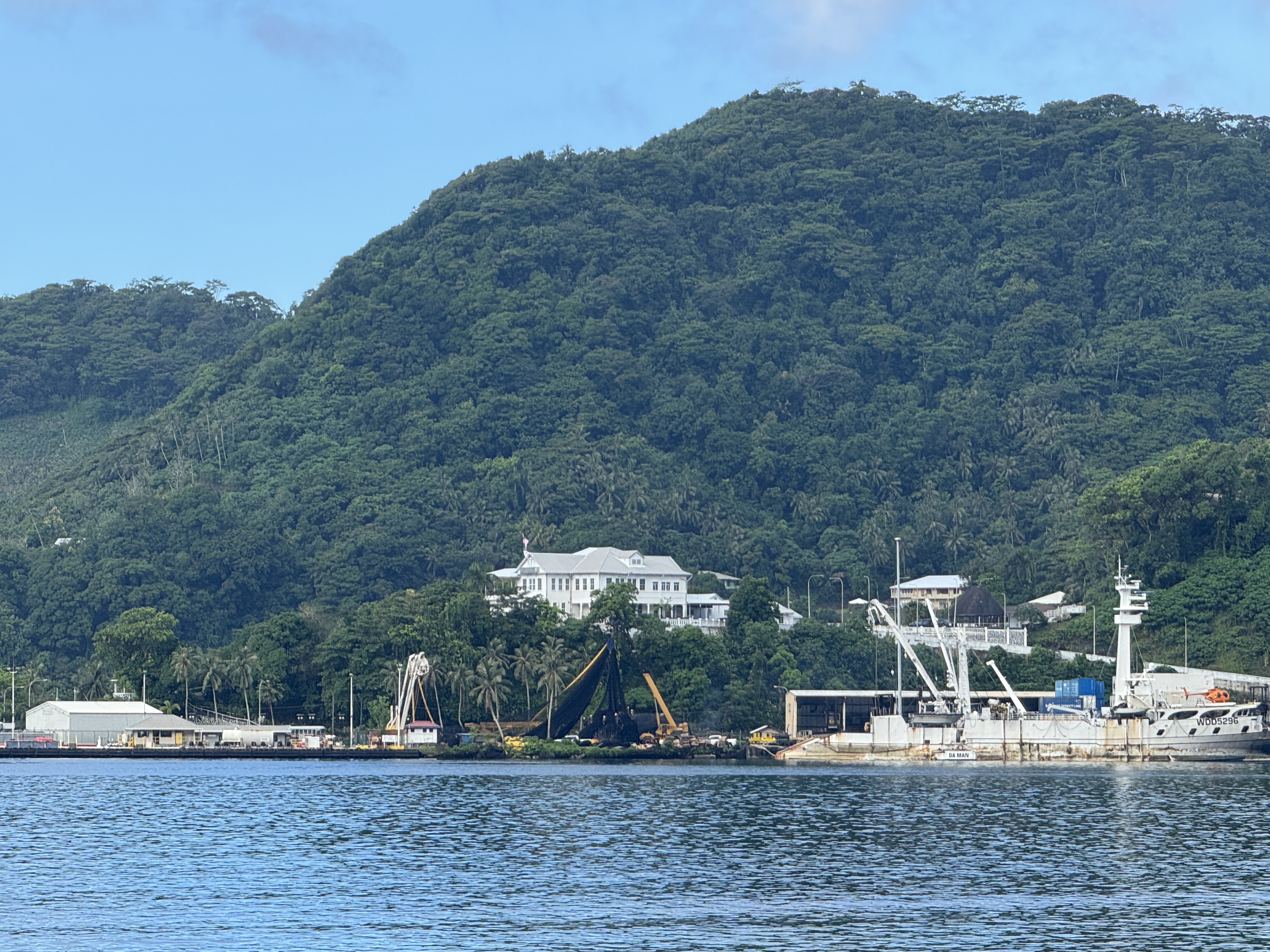
Here it is today.
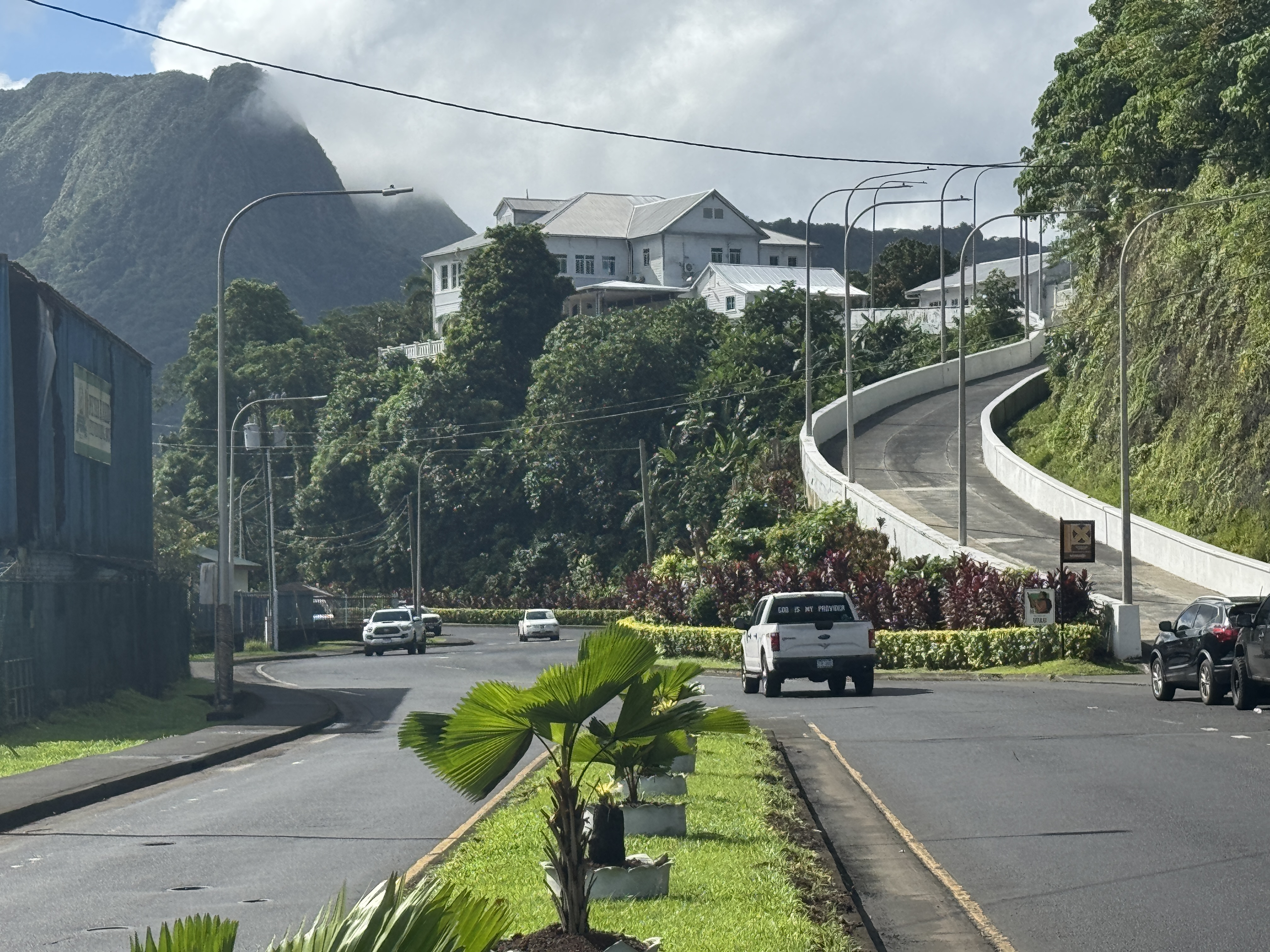
Signs restrict access.
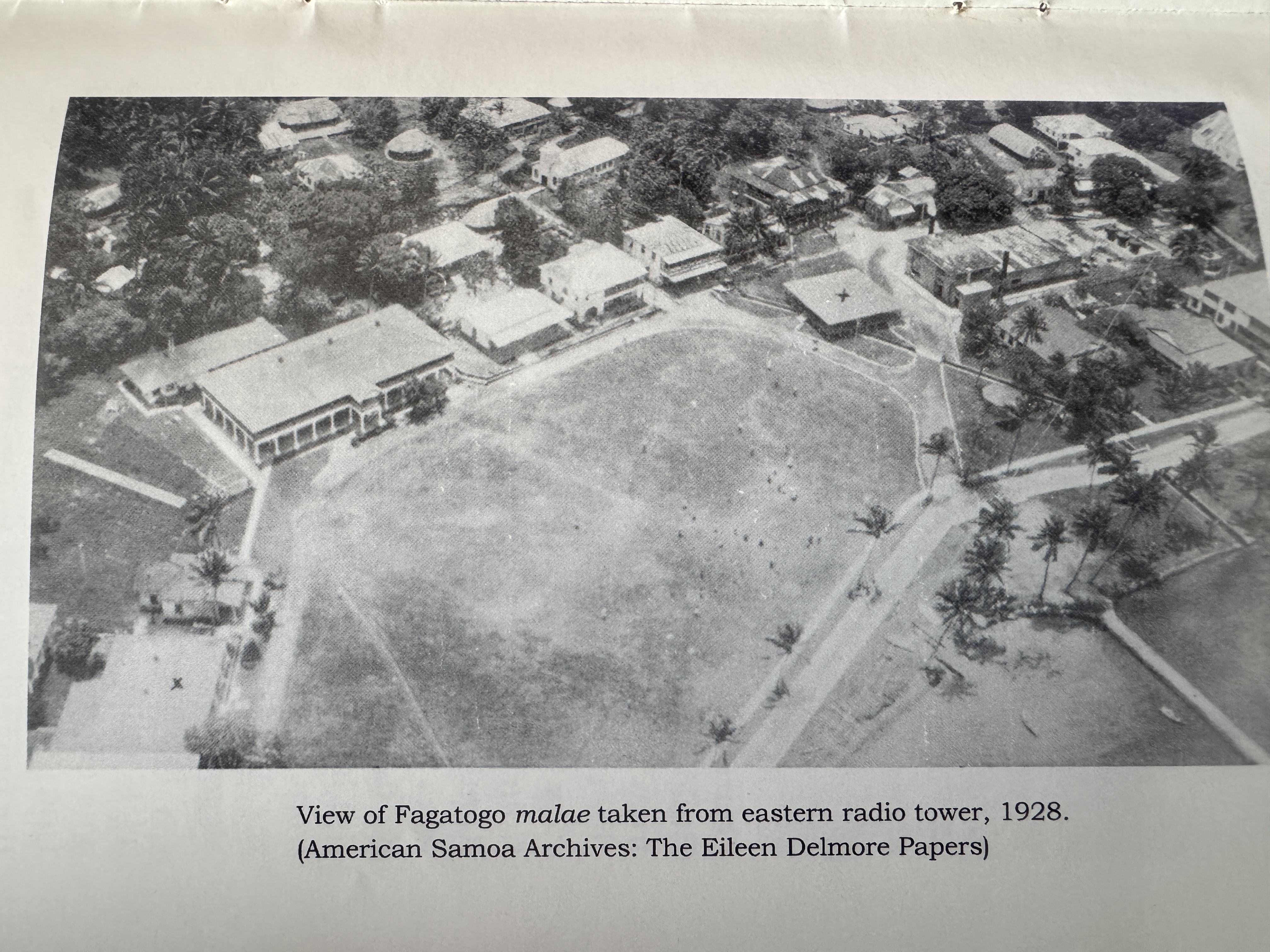
A view of the parade ground. In the 1920s, 16 U.S. Navy officers were stationed here, along with 147 enlisted men (General Report by the Governor, p. 113).
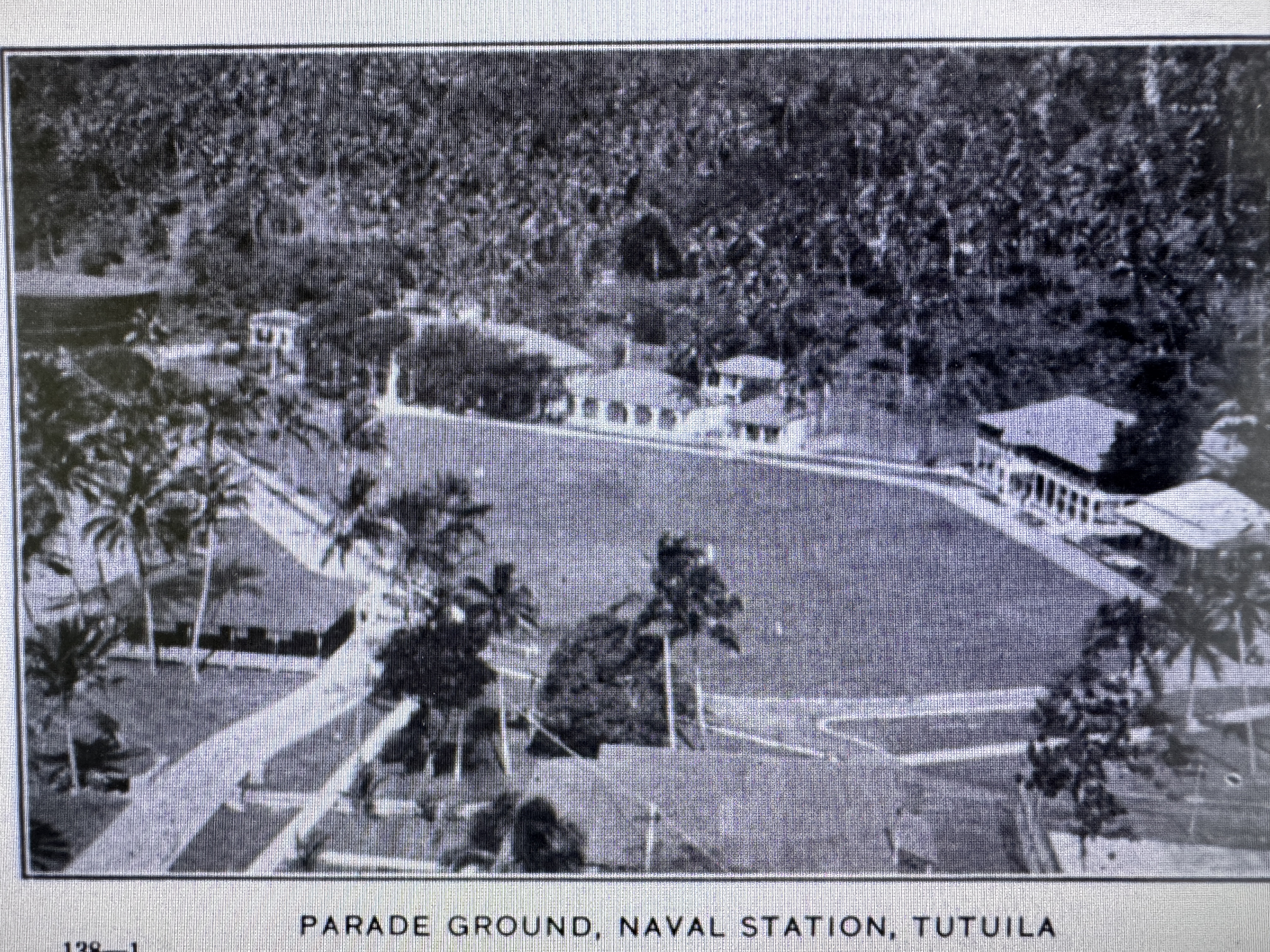
Another view.
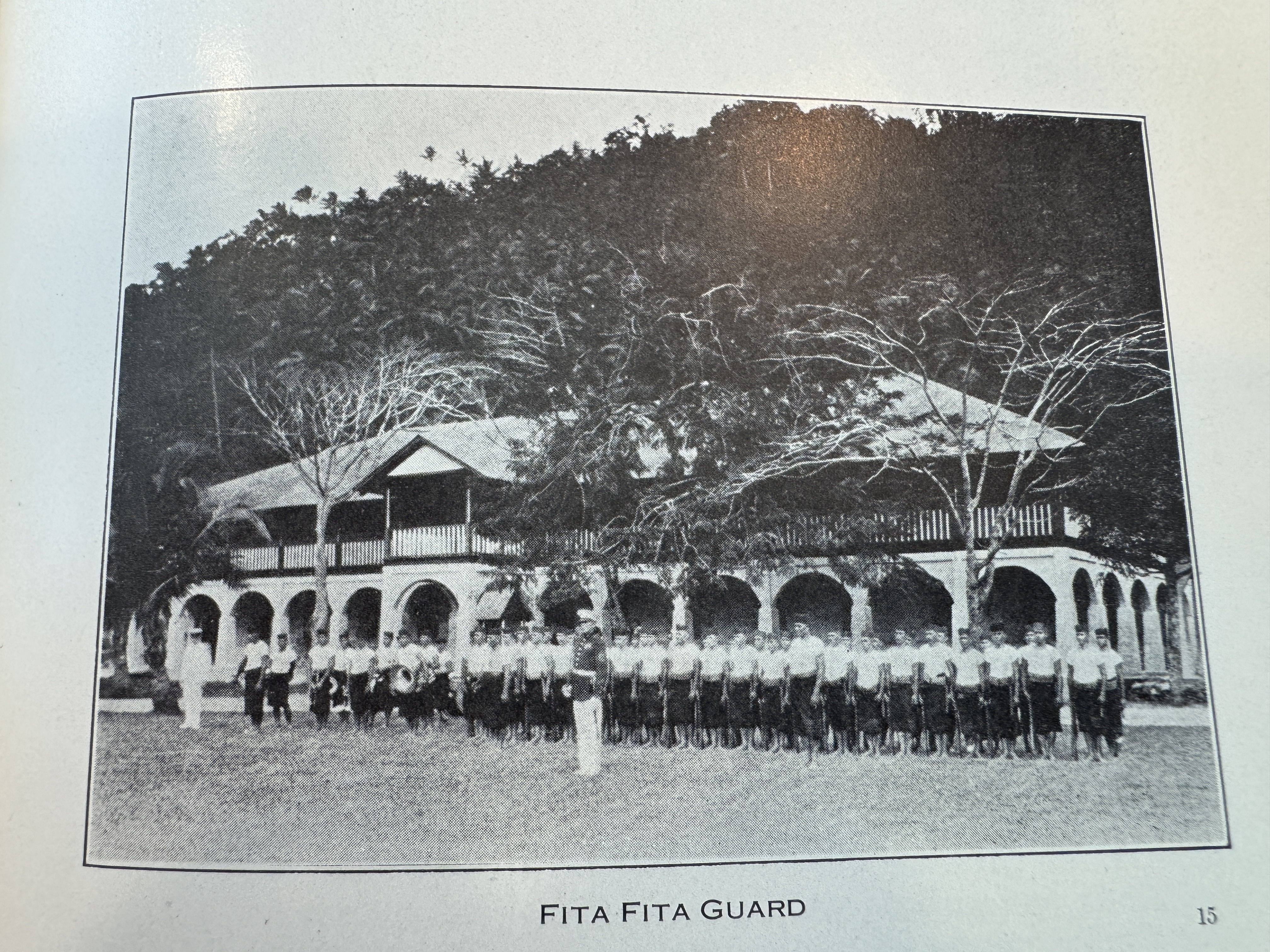
The Navy created a native guard.
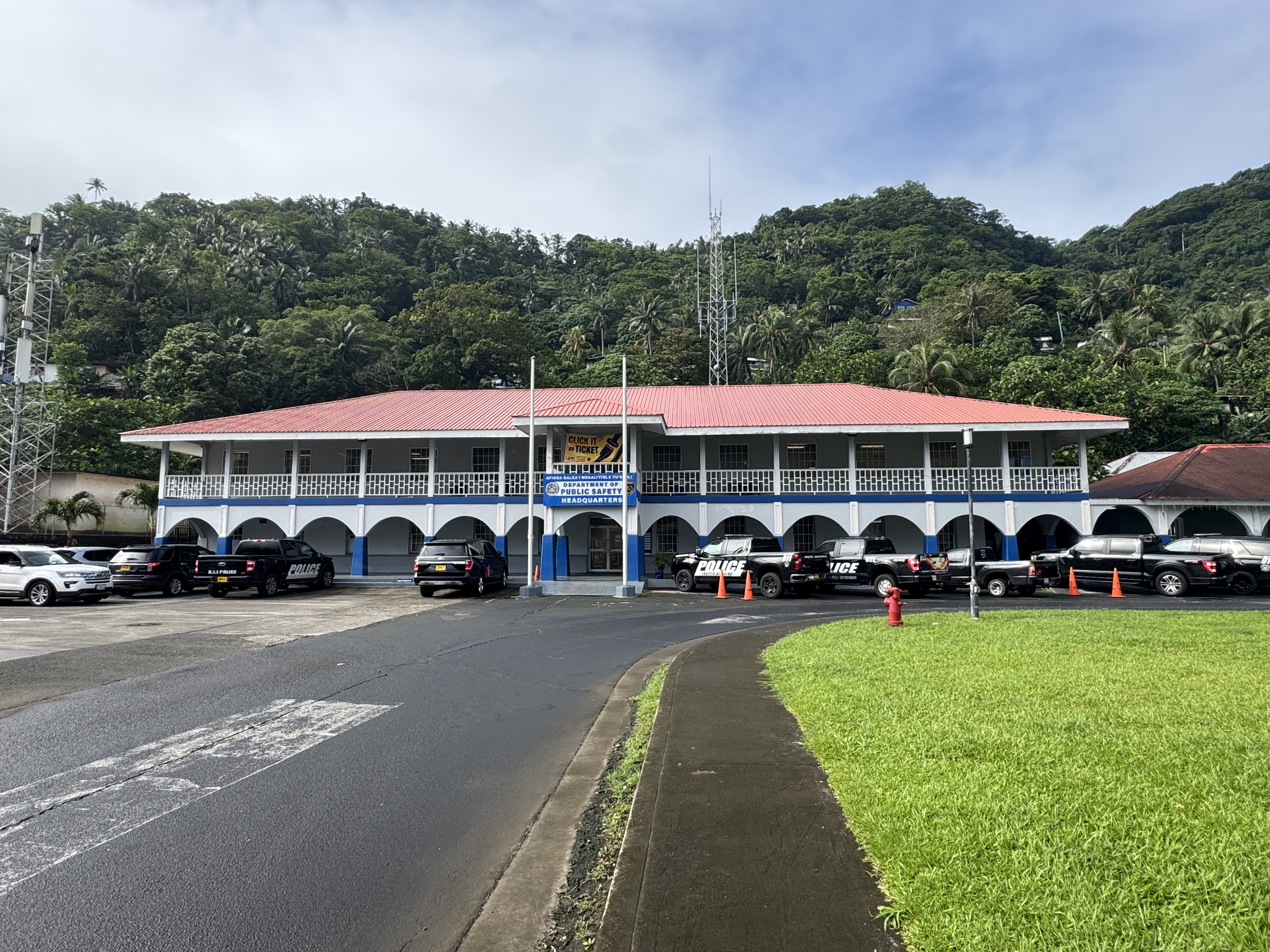
Their barracks, built in 1908, now house the police department.
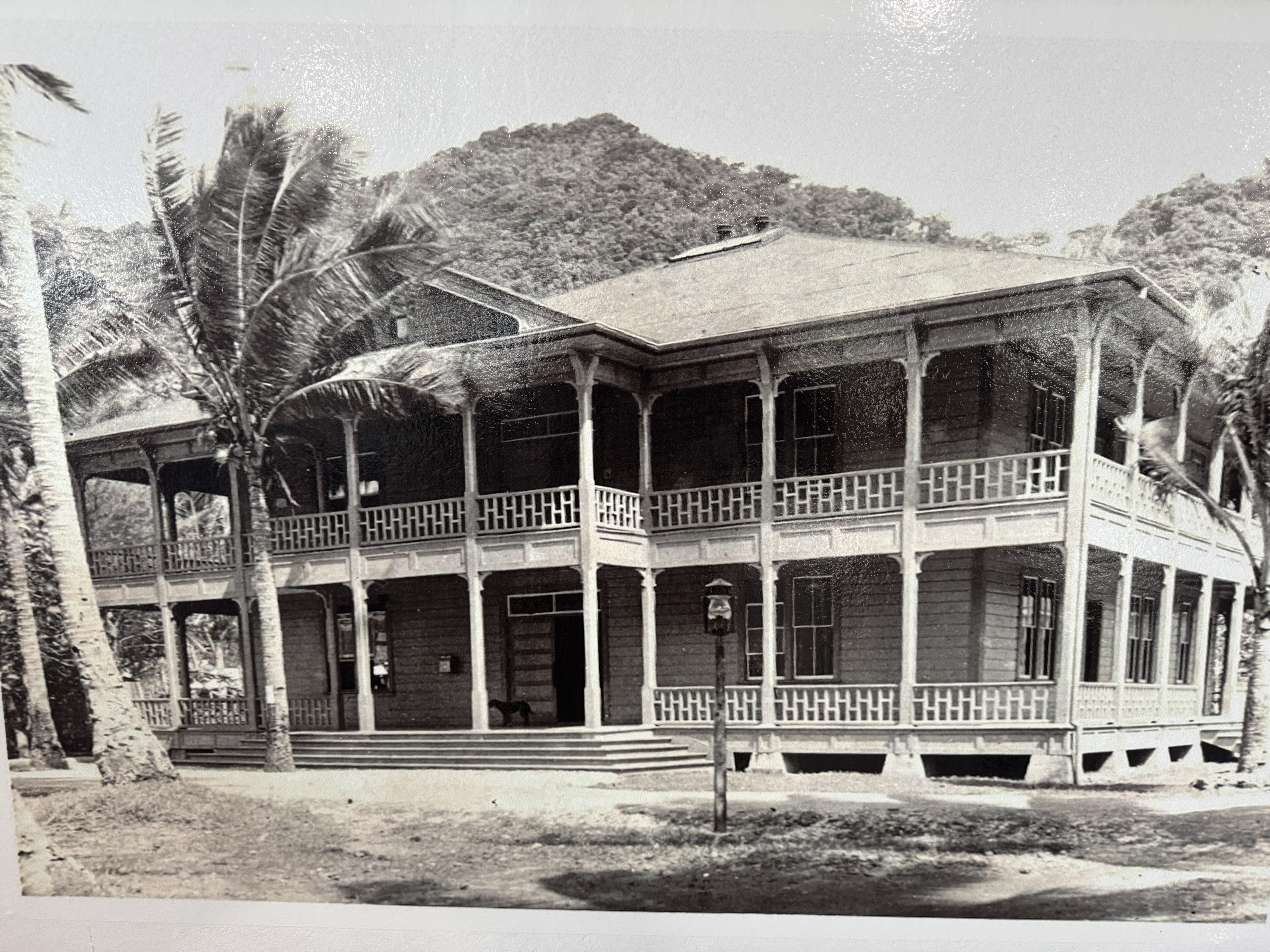
Here's the Naval Station Administration Building of 1904 (John Enright, A Walking Tour of Historic Fagatogo, 2001, p. 16).
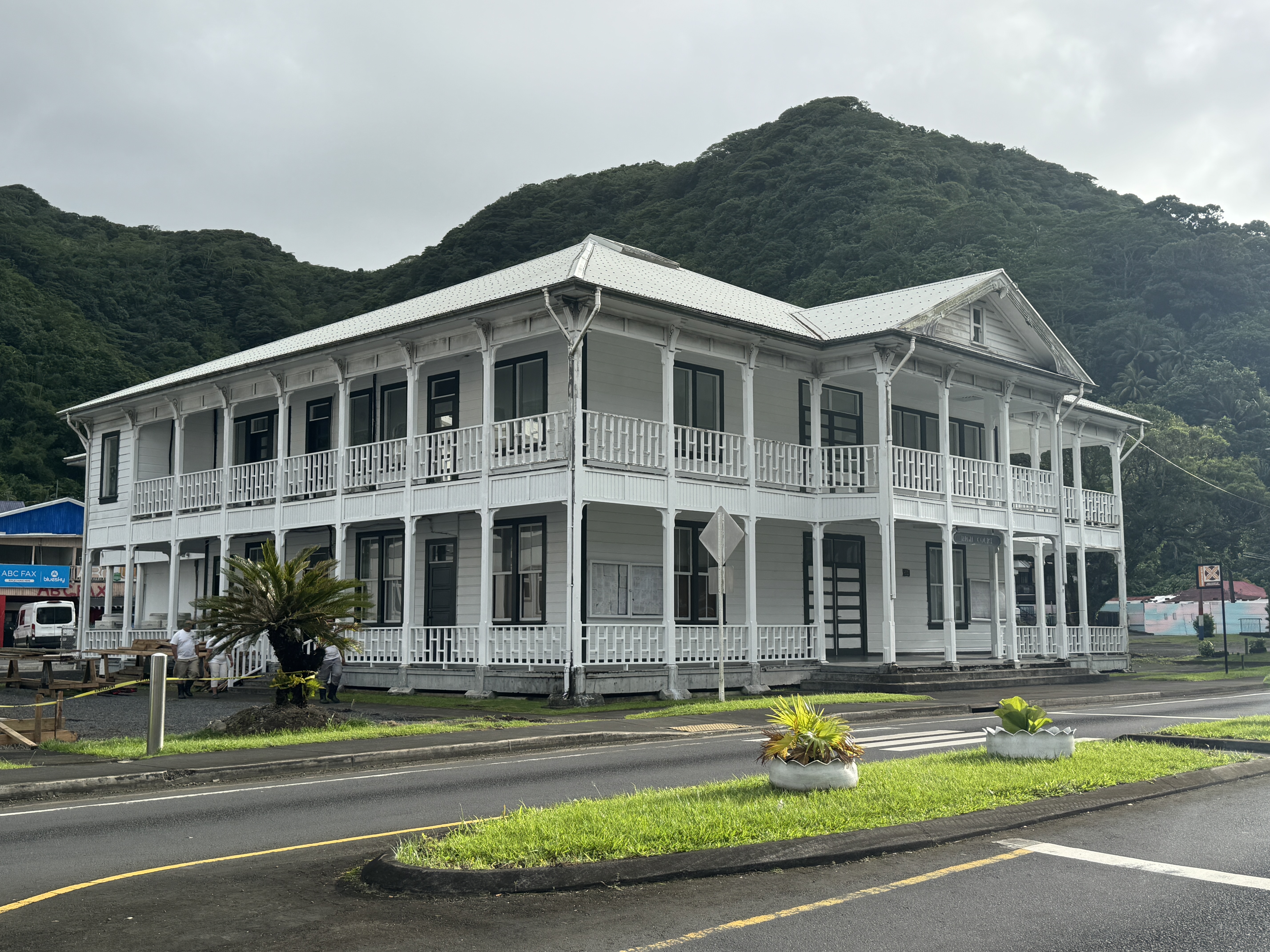
It was restored in 1998 and now serves as a courthouse.
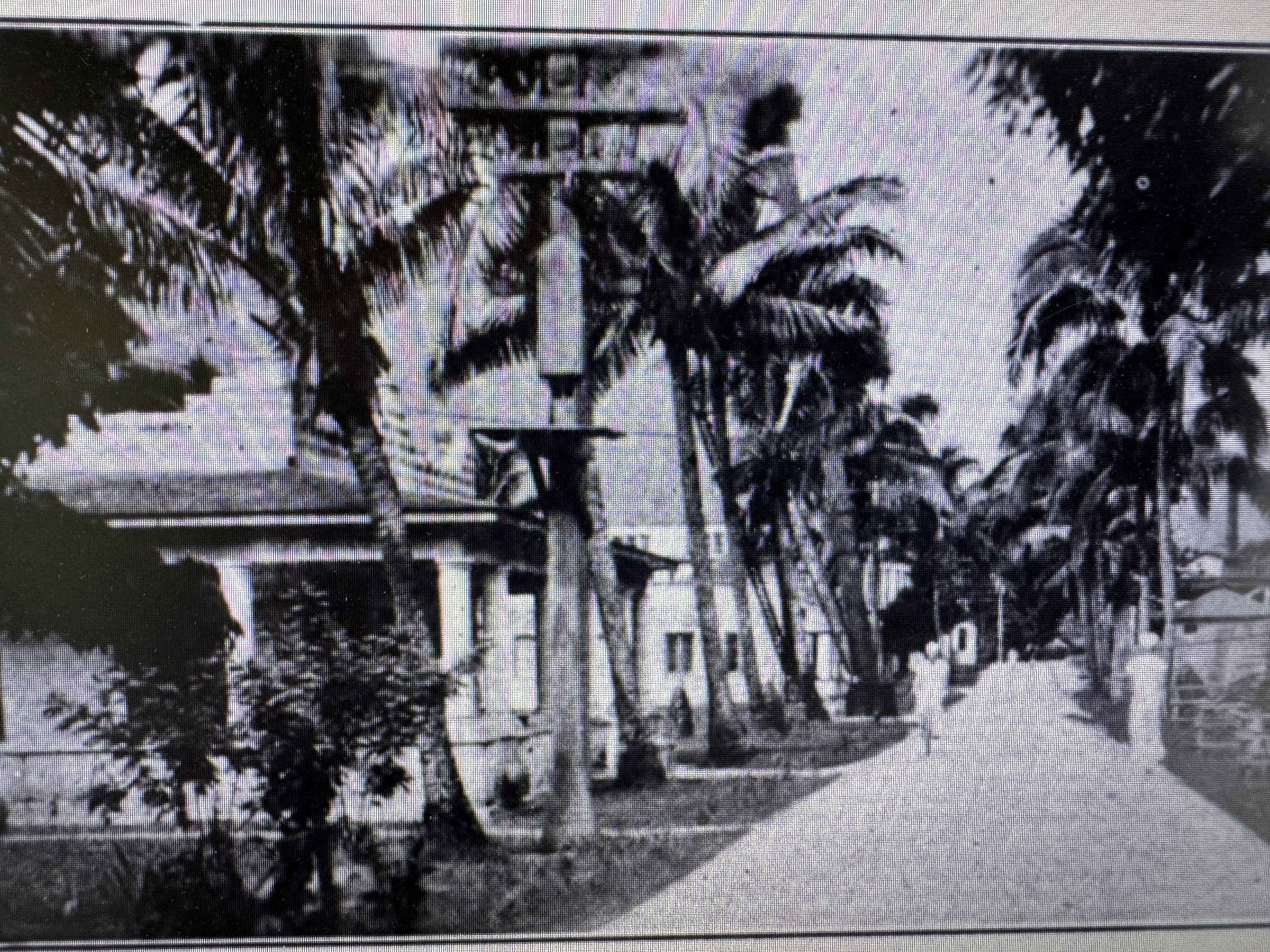
Here's the main road of the naval station. The building housed the Navy's radio station (General Report by the Governor, p. 138).
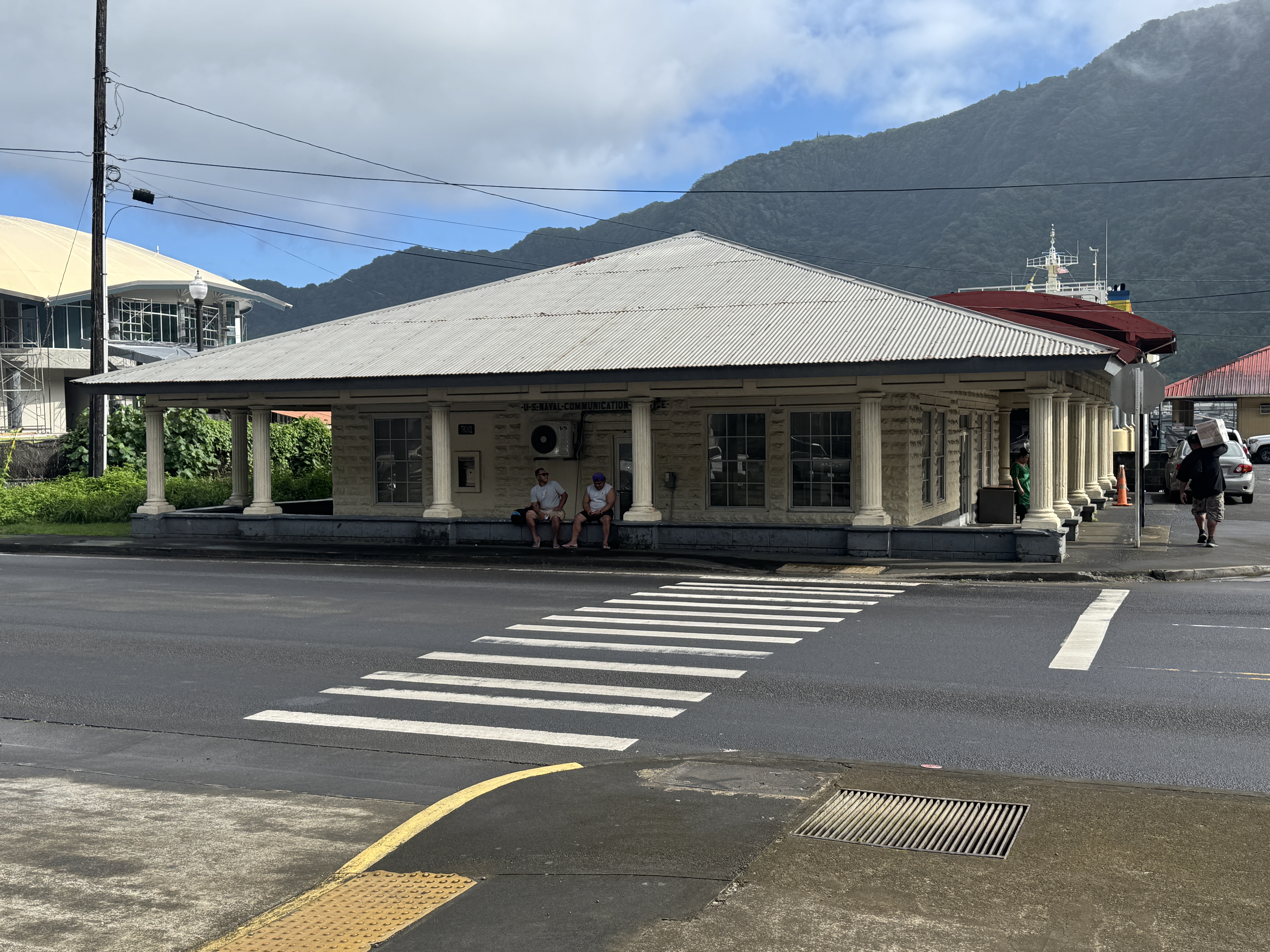
That building now houses the territorial registrar.
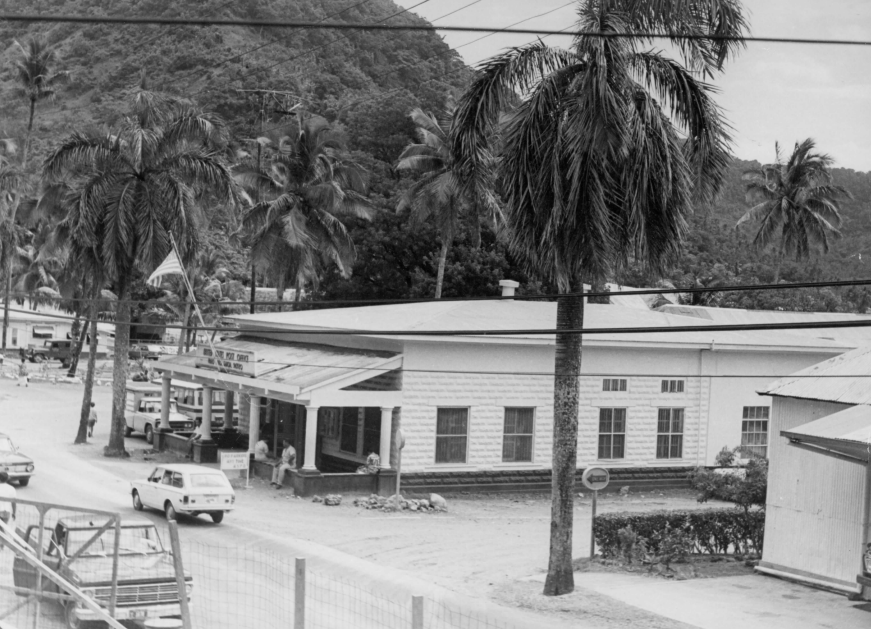
The station got a commissary in 1919. With the Navy's departure in 1951, it became the town's post office and then the home of the Jean Haydon museum, a project undertaken in the early 1970s by the wife of Governor John Haydon.
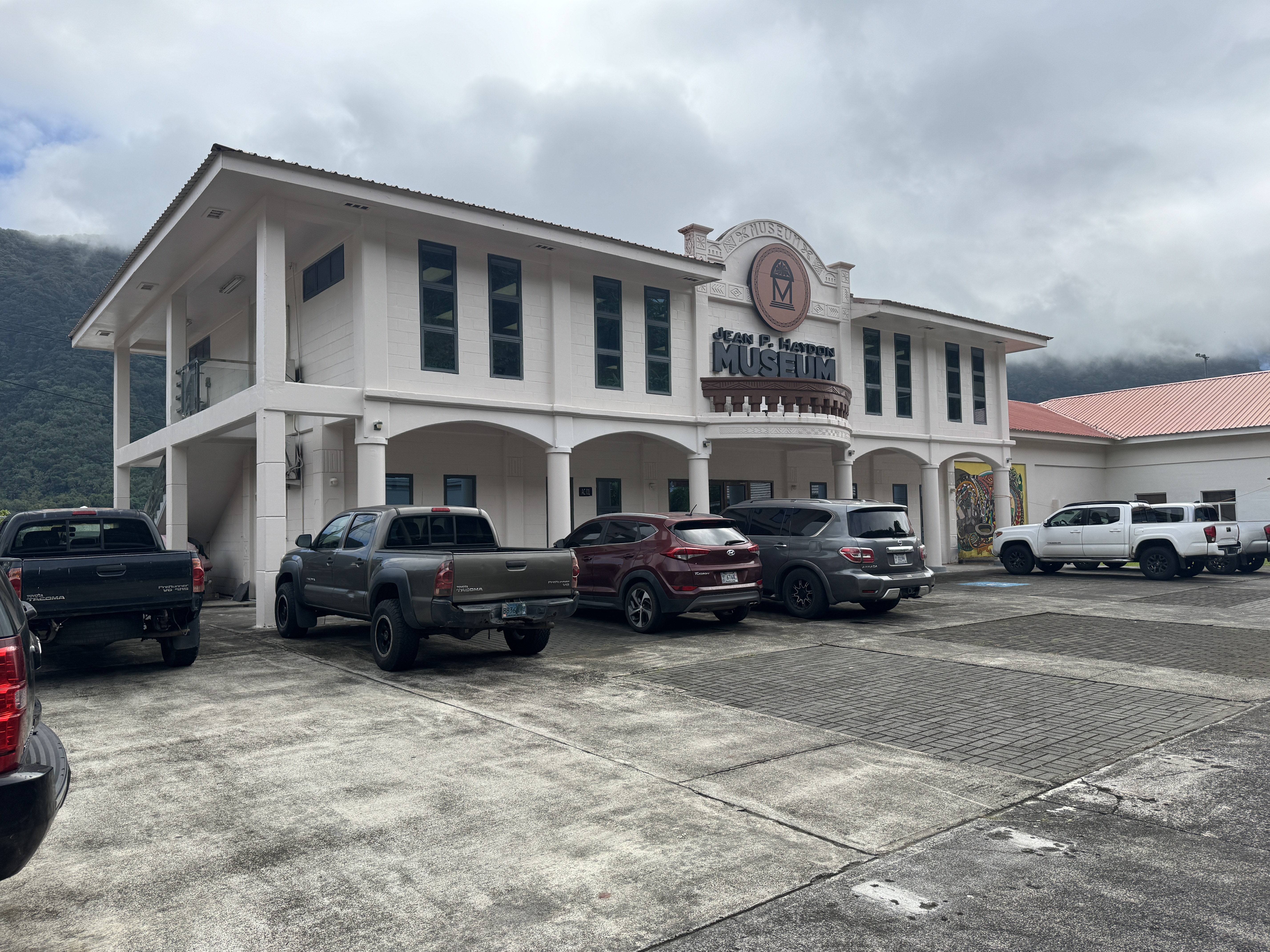
The museum has a new building.
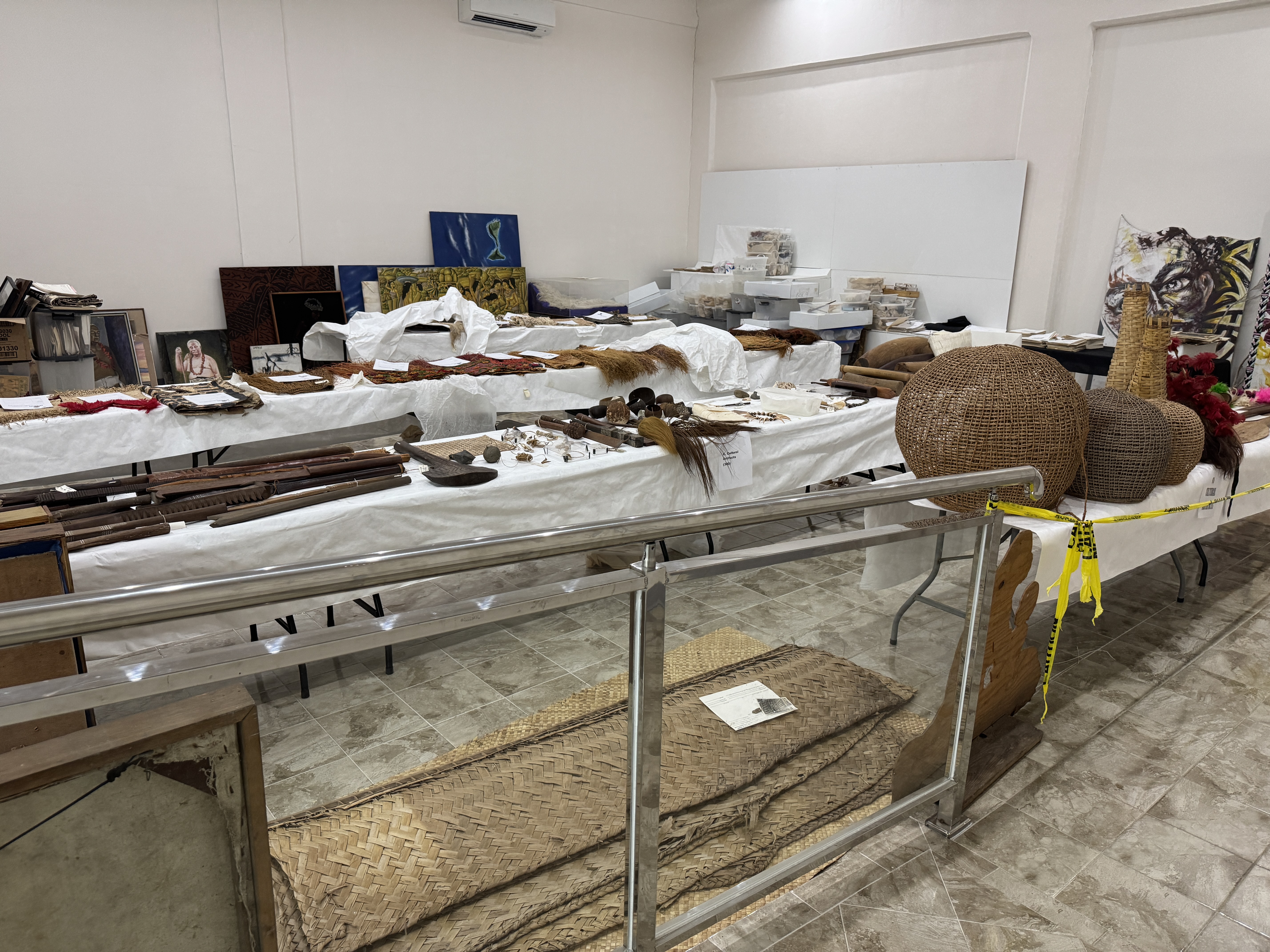
As of 2025, it was officially closed though unlocked.
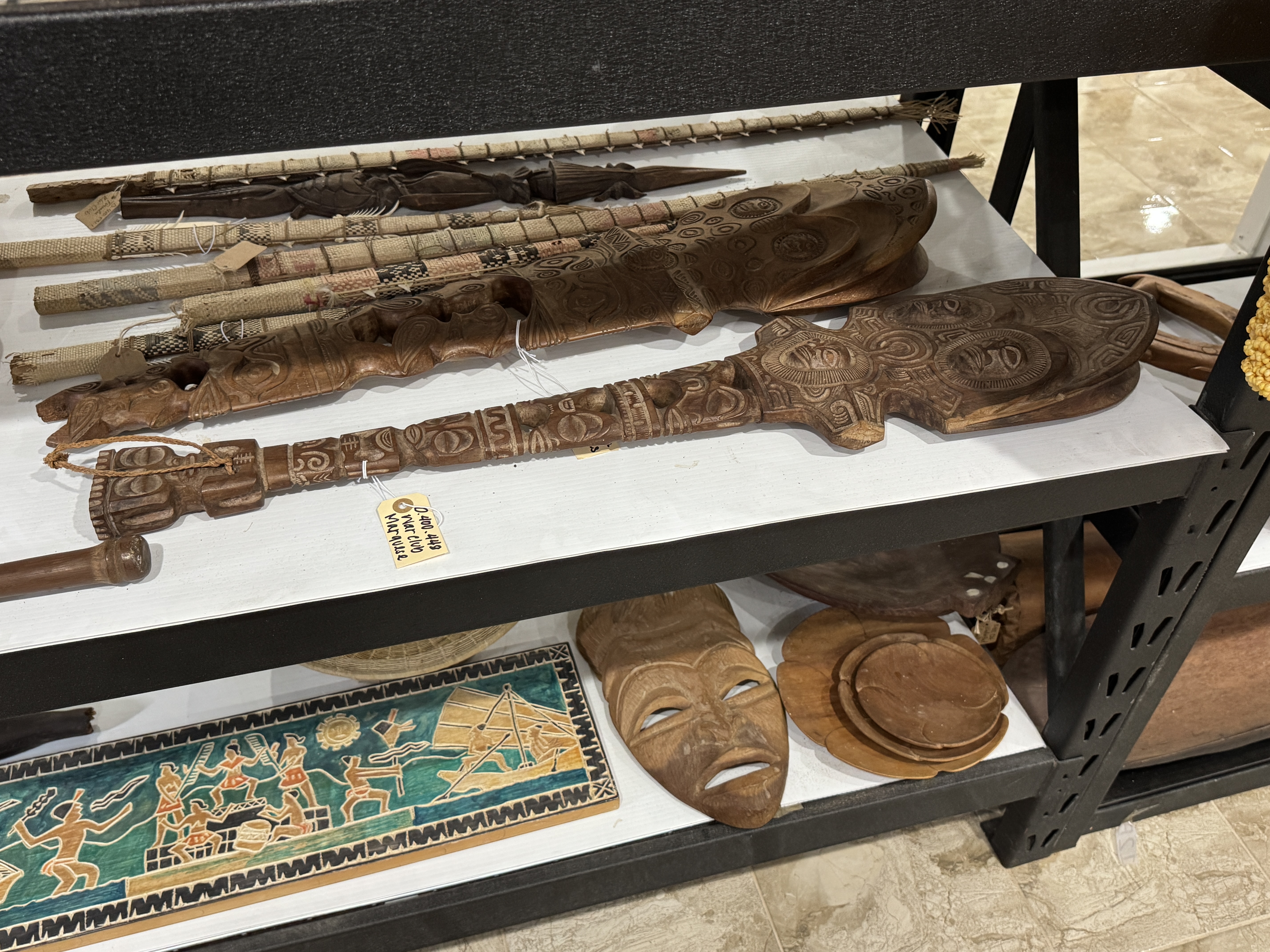
Stuff.
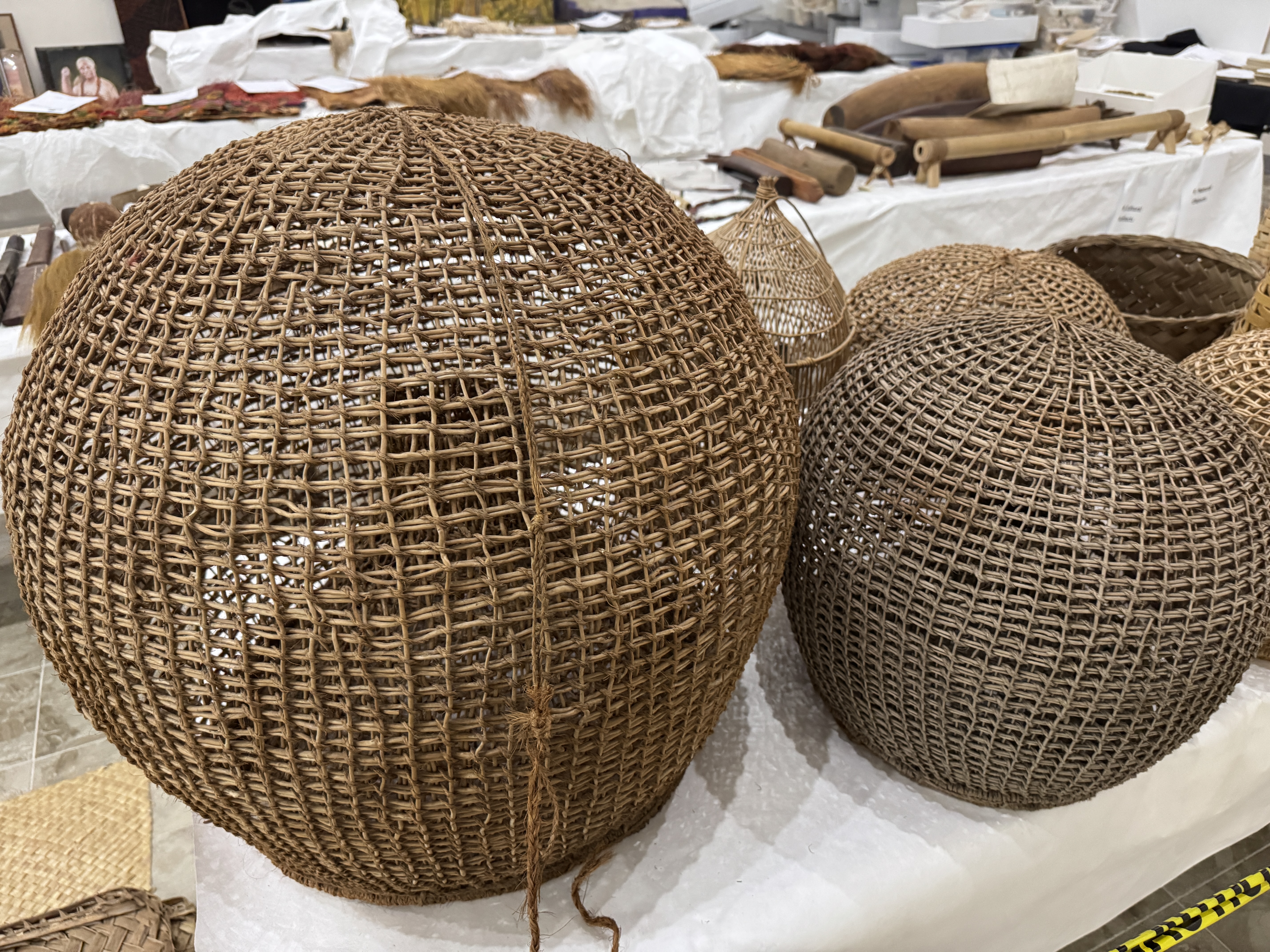
Stuff.
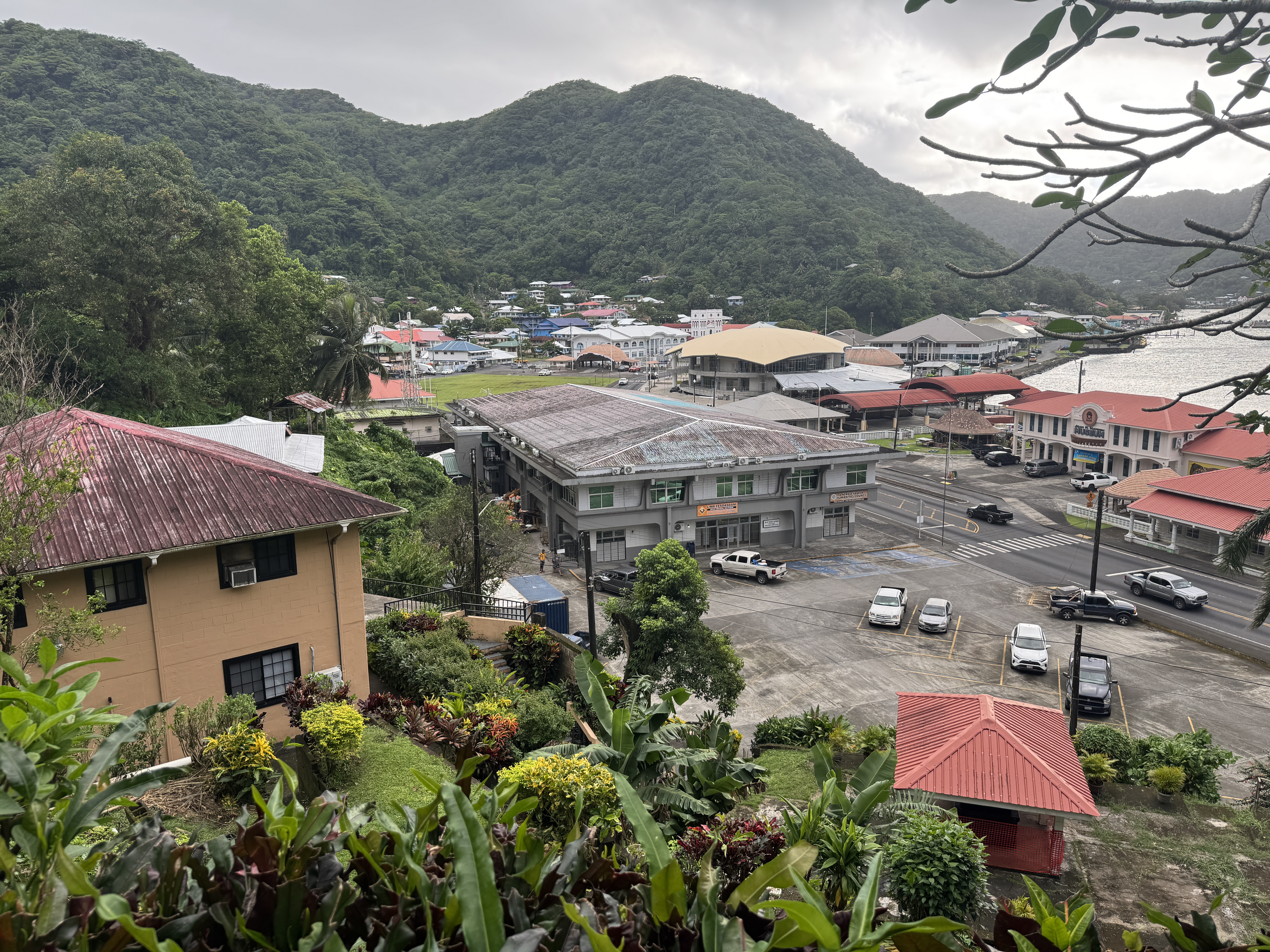
The museum's on the right. Farther down the street there's a new parliament building under construction. (The roof alludes to traditional Samoan houses.) We're going up the hill to the left.
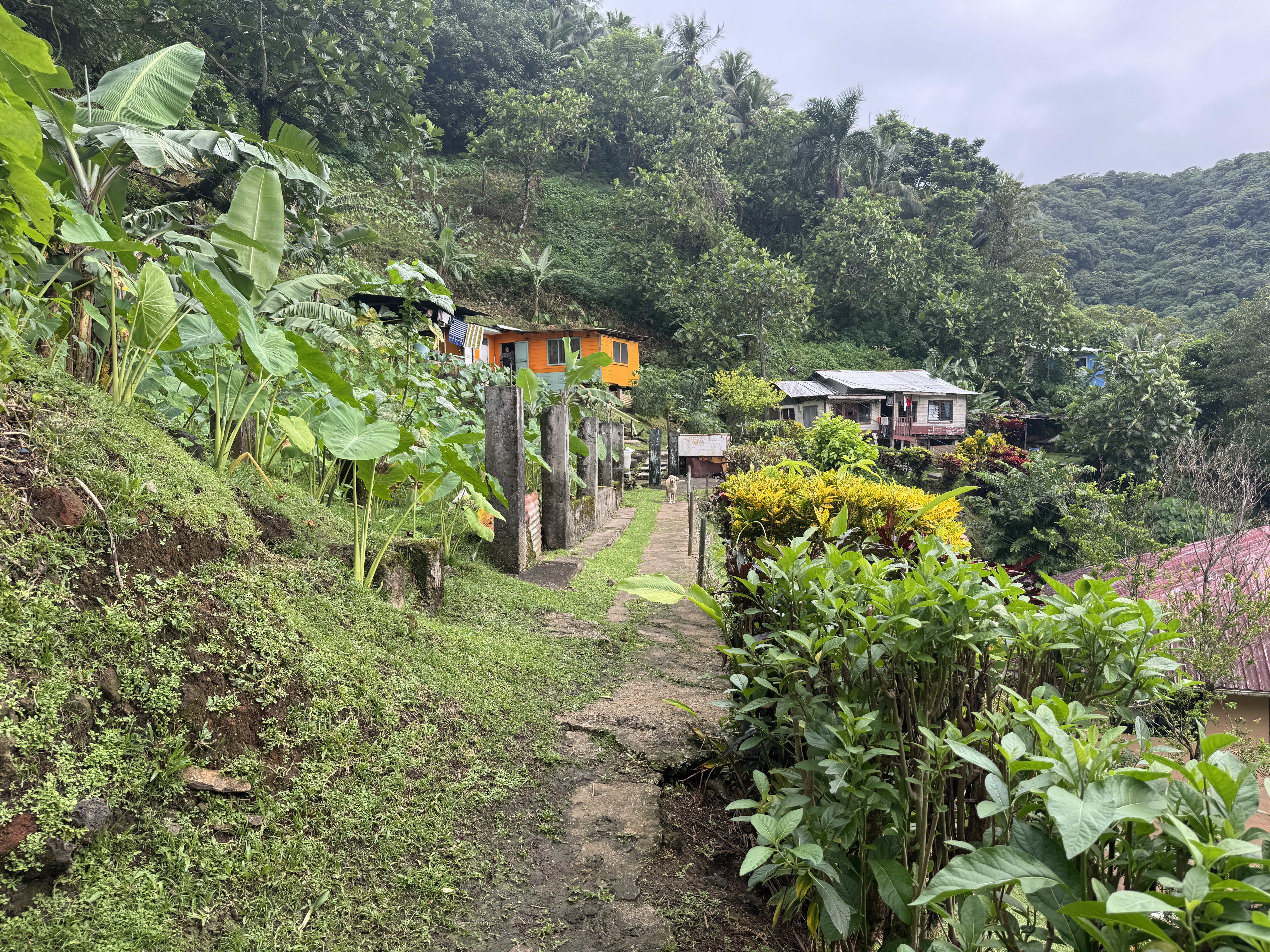
Until the development of the Tafuna Plain, civilians in Pago Pago had a hard time finding housing.
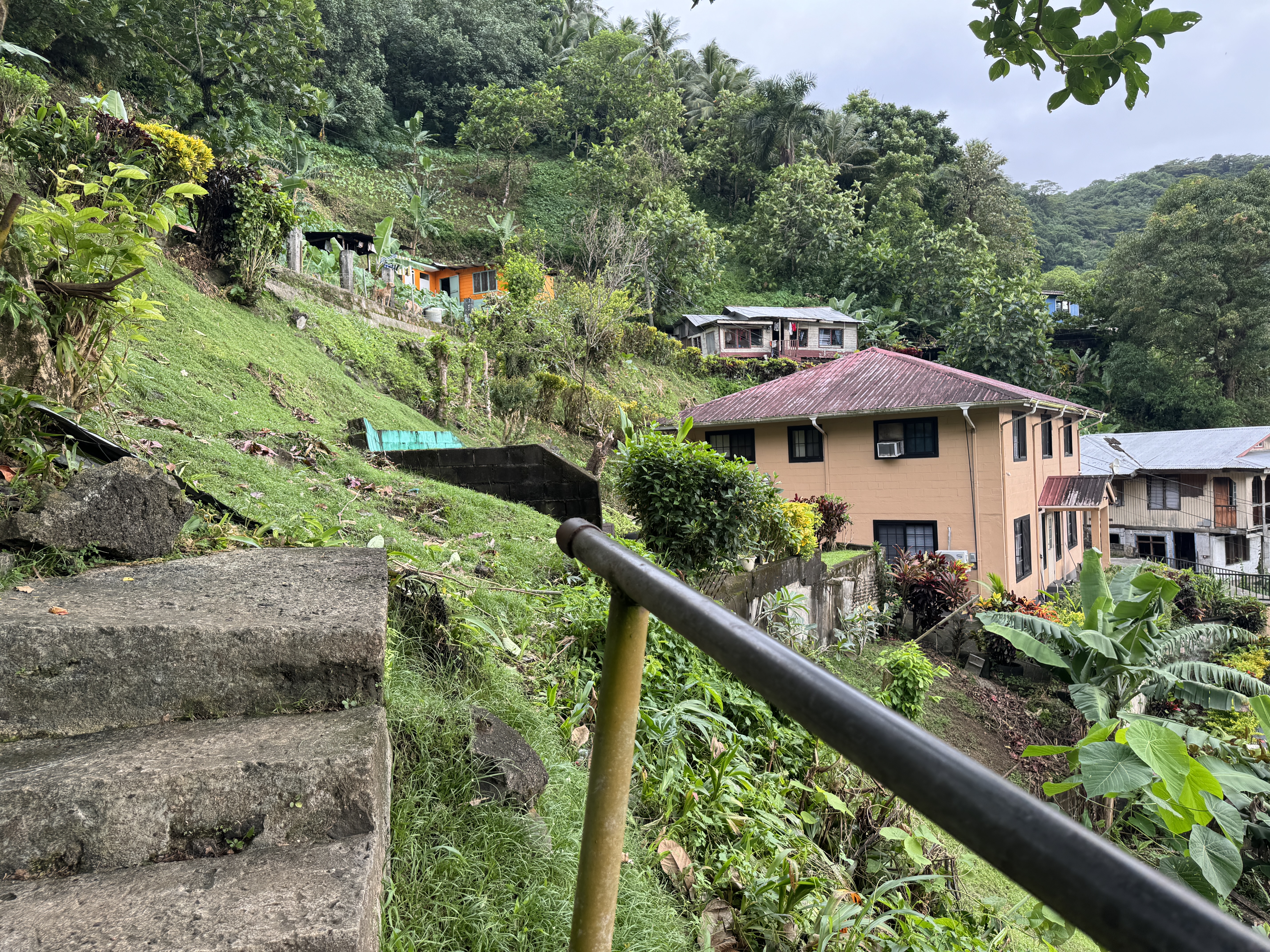
It's still hard to find.
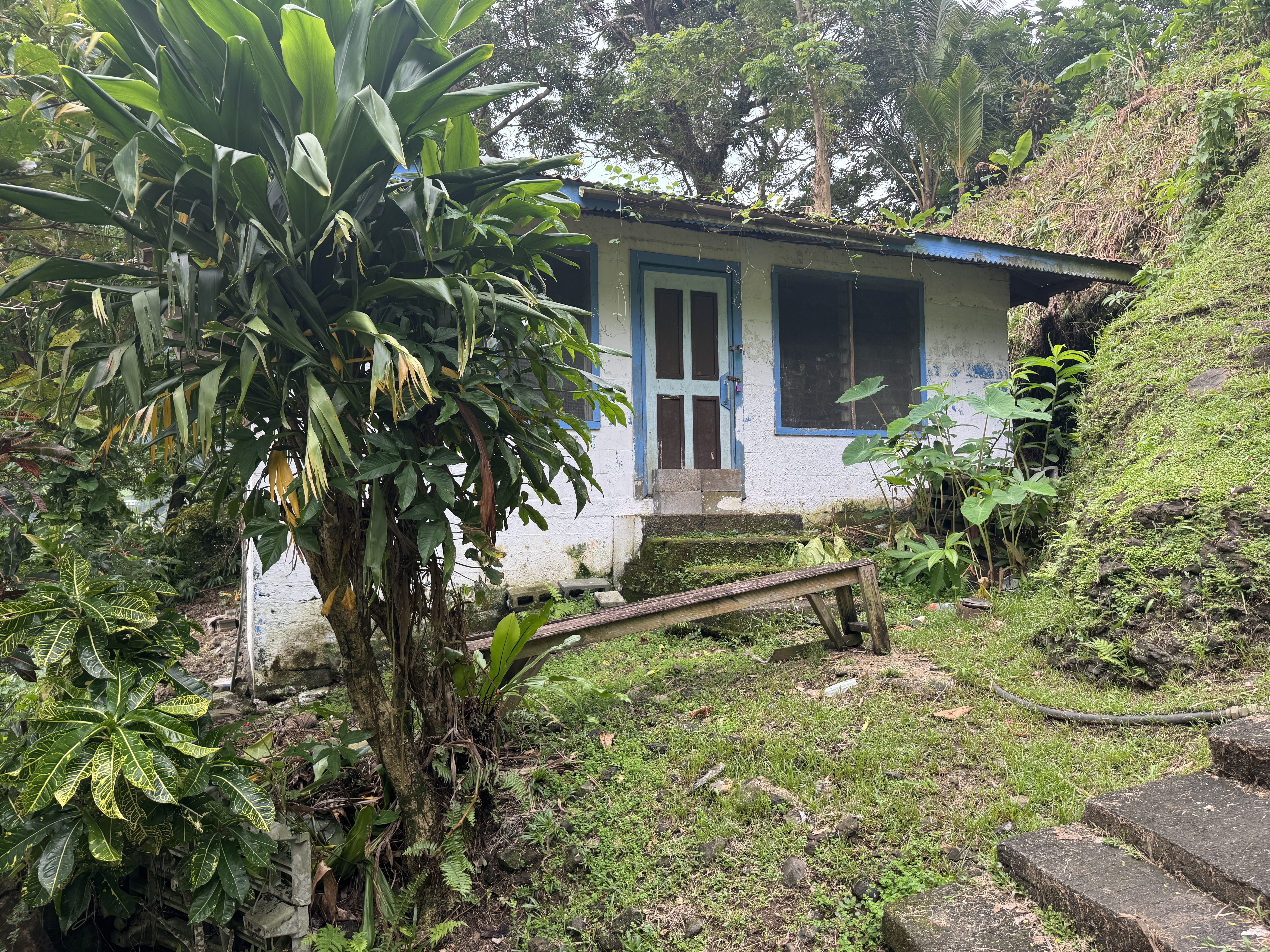
Inhabited? Maybe.
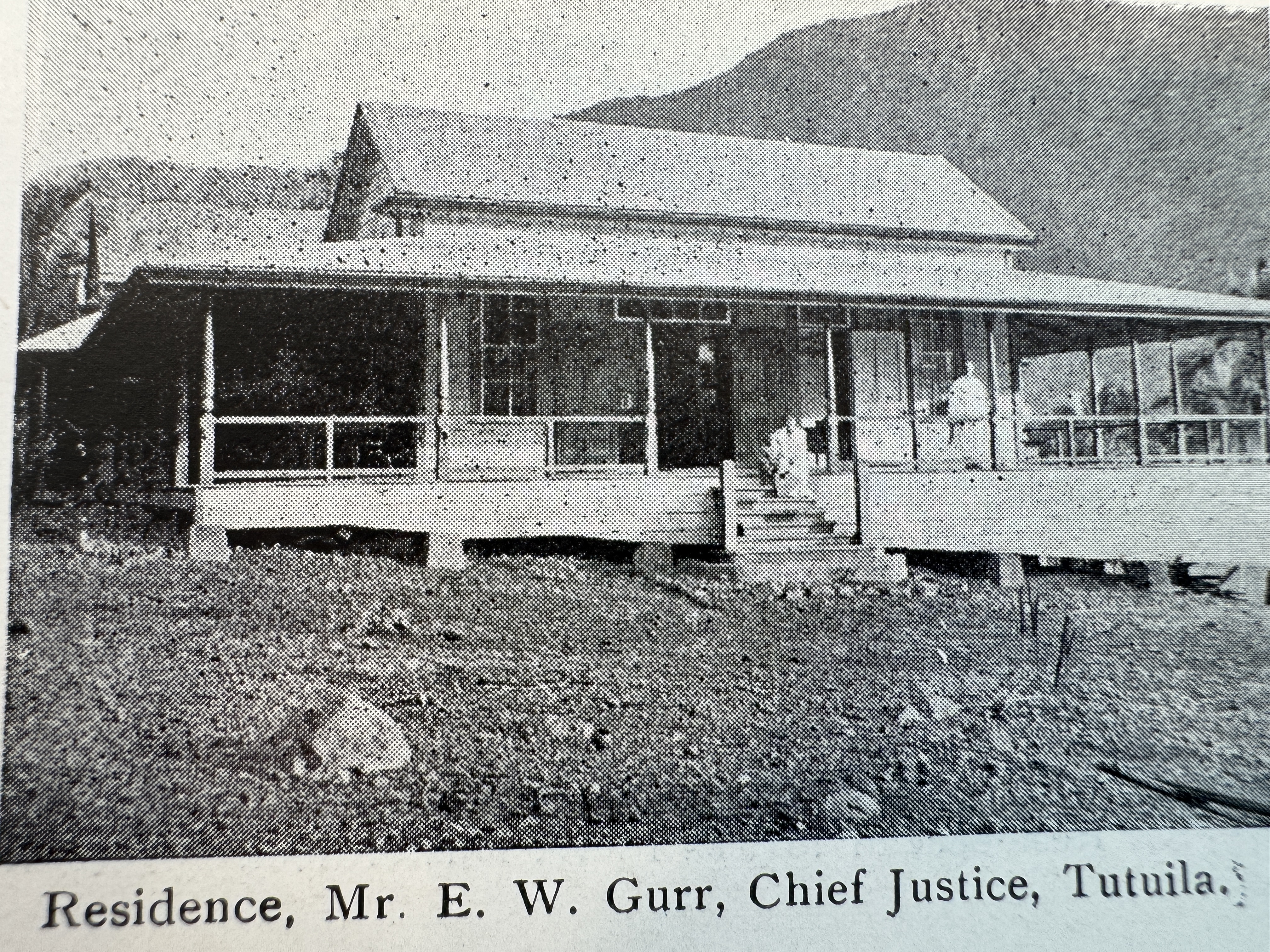
Even official civilians had simple quarters.
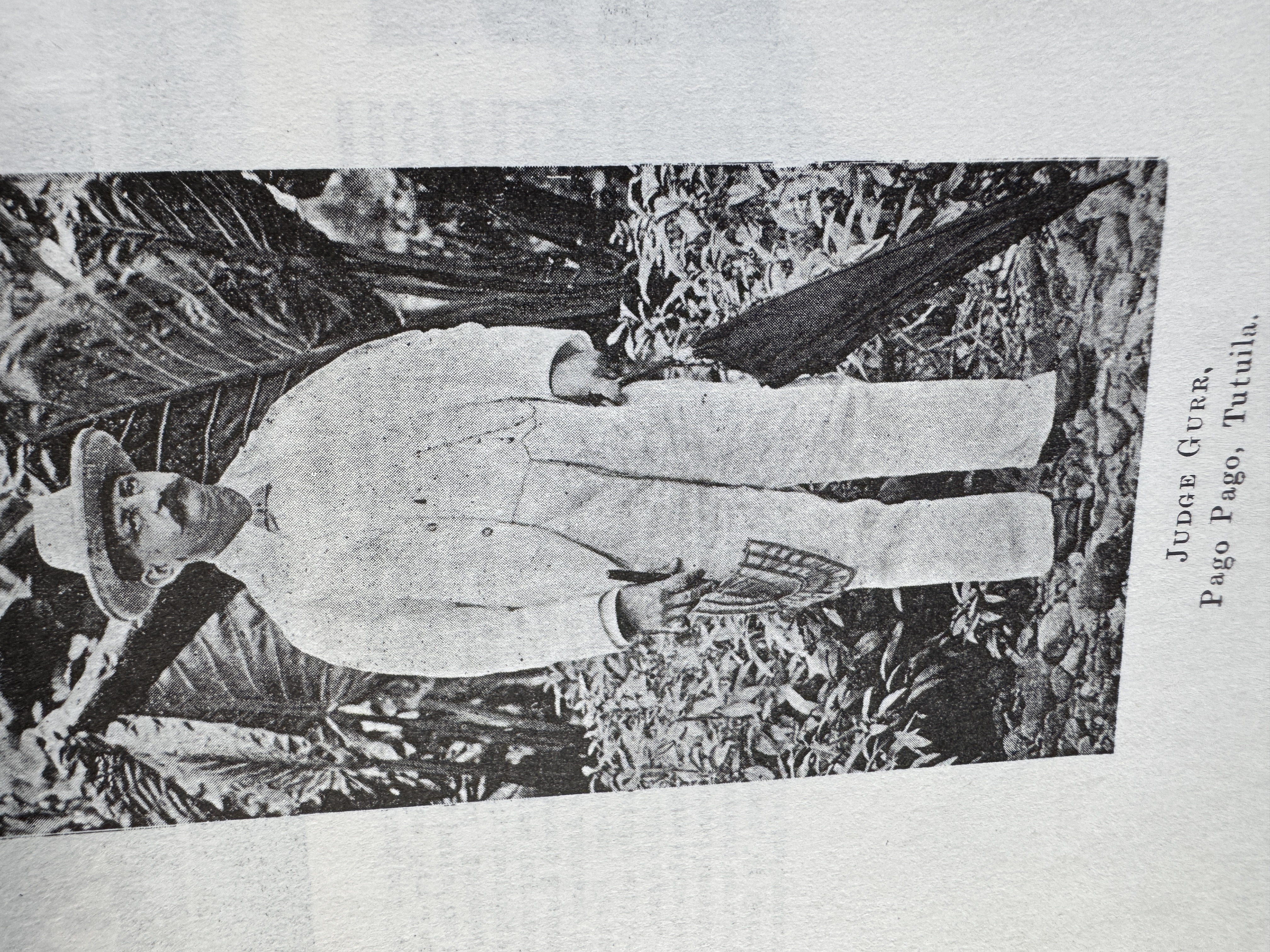
Edwin Gurr, born in Tasmania, came to Apia and practiced in the Consular Courts of Great Britain and the United States. Benjamin Tilley, the first governor of American Samoa, hired Gurr as an advisor and then appointed him judge. Gurr does look as though he wonders how he got here (Cyclopedia of Samoa, p. 116).
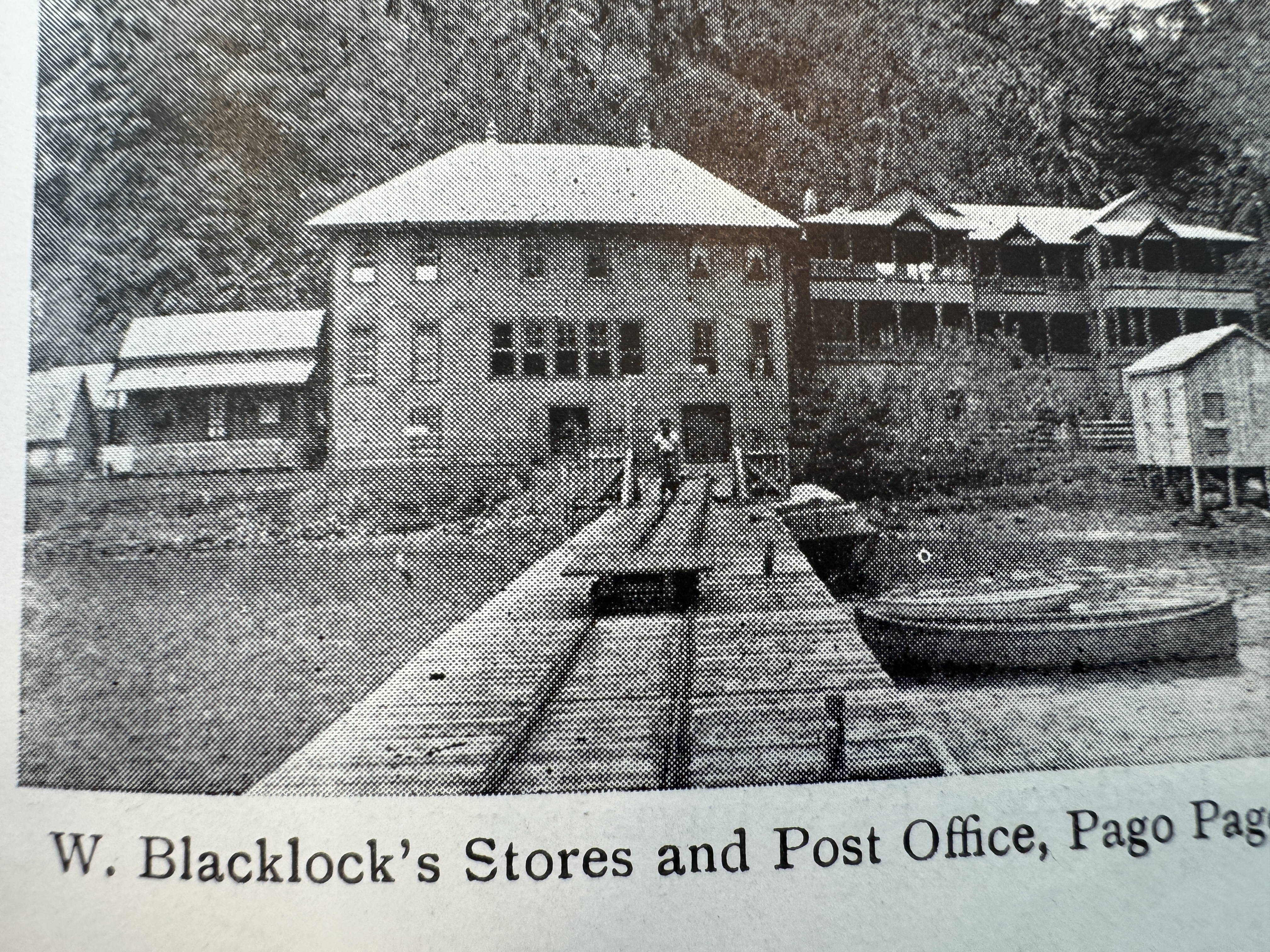
For visitors, it was tougher still. The building in the background is the Oceanic Hotel, which should have been succesfful but closed after one year in operation (1900-01). The owner, William Blacklock, had been the U.S. vice-consul in Apia and arrived here with enemies who engineered the loss of his liquor license.
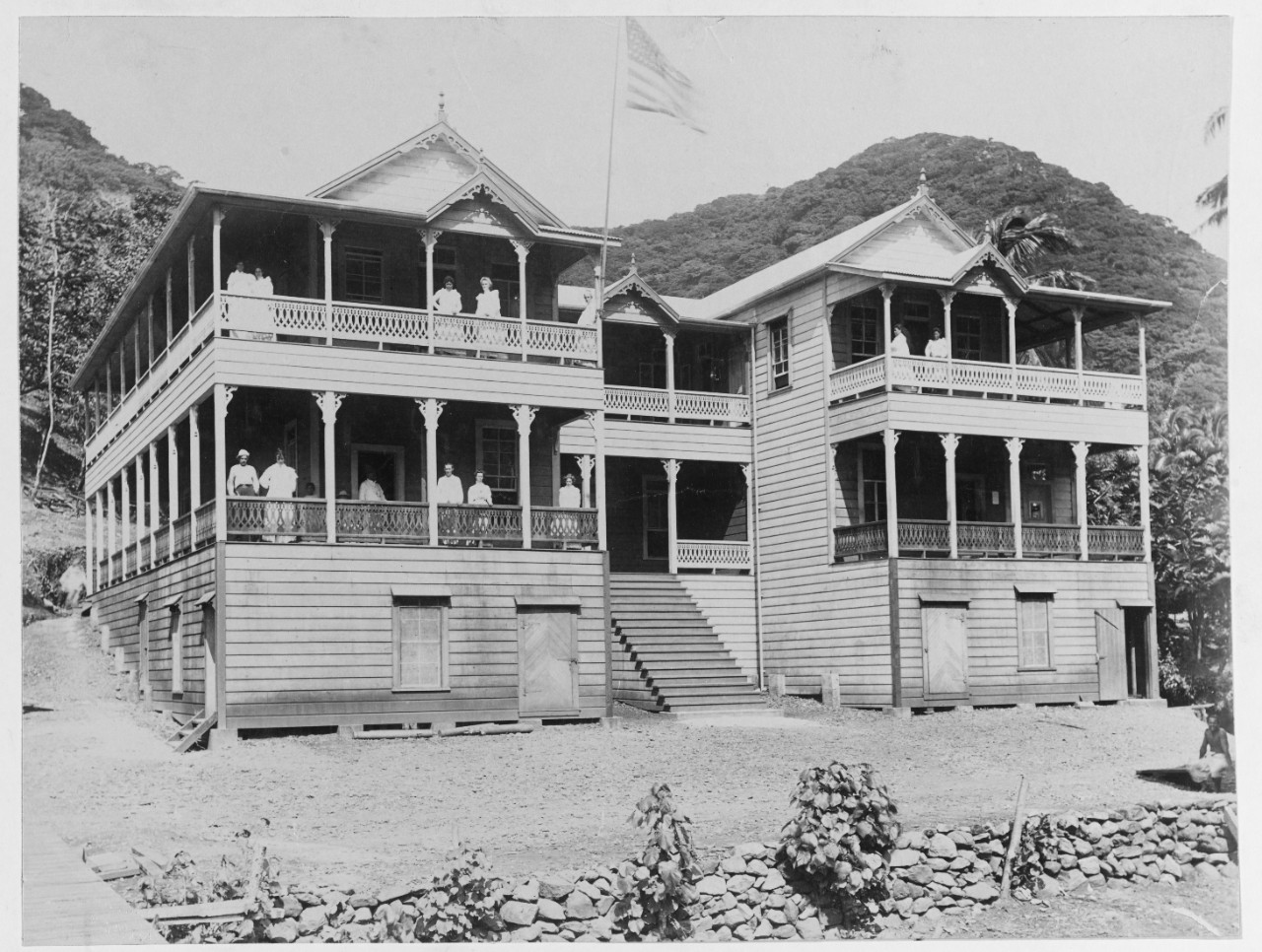
Looks good, though the stairs could use a railing.
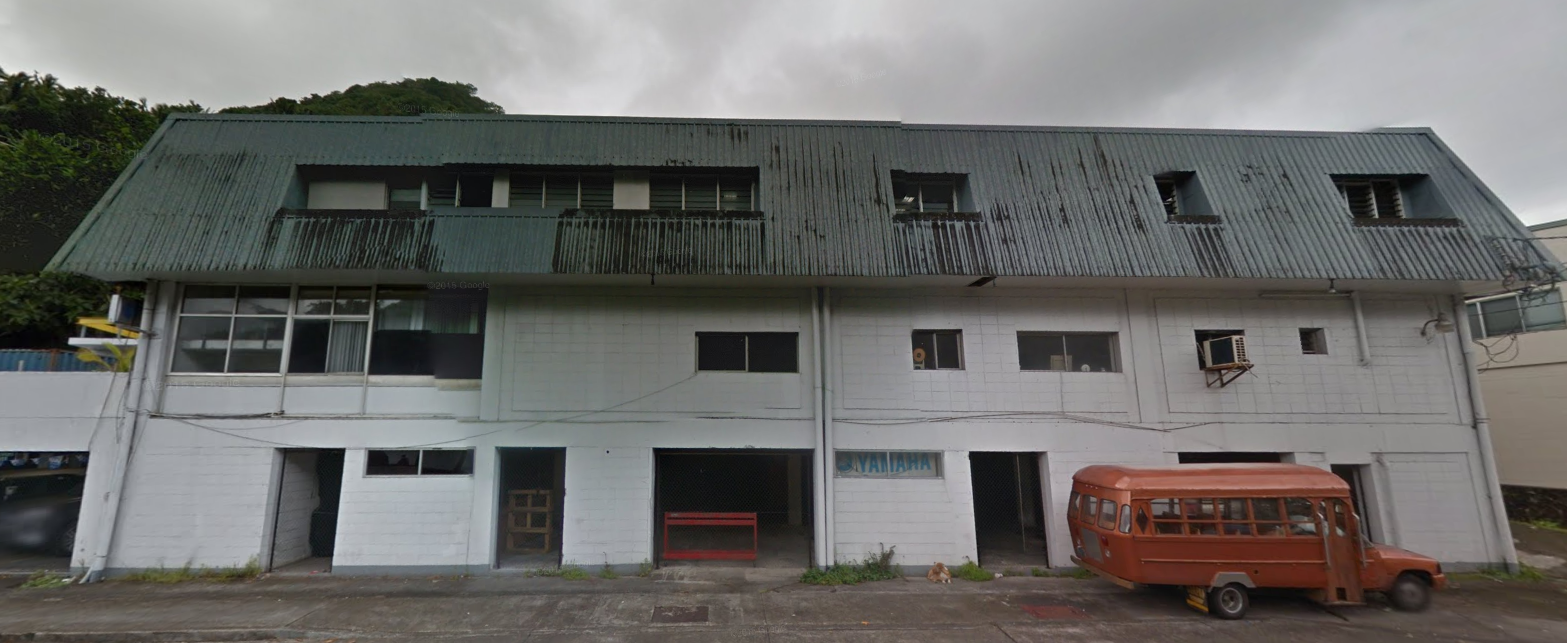
The building eventually was sold to Burns Philp, a trading firm operating across the South Pacific. Now, rebuilt, it houses Asco Motors.

Competition. Here, at the edge of Fagaloa and close to Pago Pago, is a boarding house opened by the Meredith family. In 1948, they sold it to Otto Haleck, who we met back at the hotel owned by his son. This was the building where Somerset Maugham stayed in 1916 and presumably got the idea for "Rain," his biting short story about missionary hypocrisy. The leading character was the prostitute Sadie Thompson.
The governor of American Samoa in 1927 wrote that "civilians must take their chances of securing quarters on the outside, where are very few and of a very inferior quality... as good as the patronage warrants" (General Report by the Governor, p. 116).
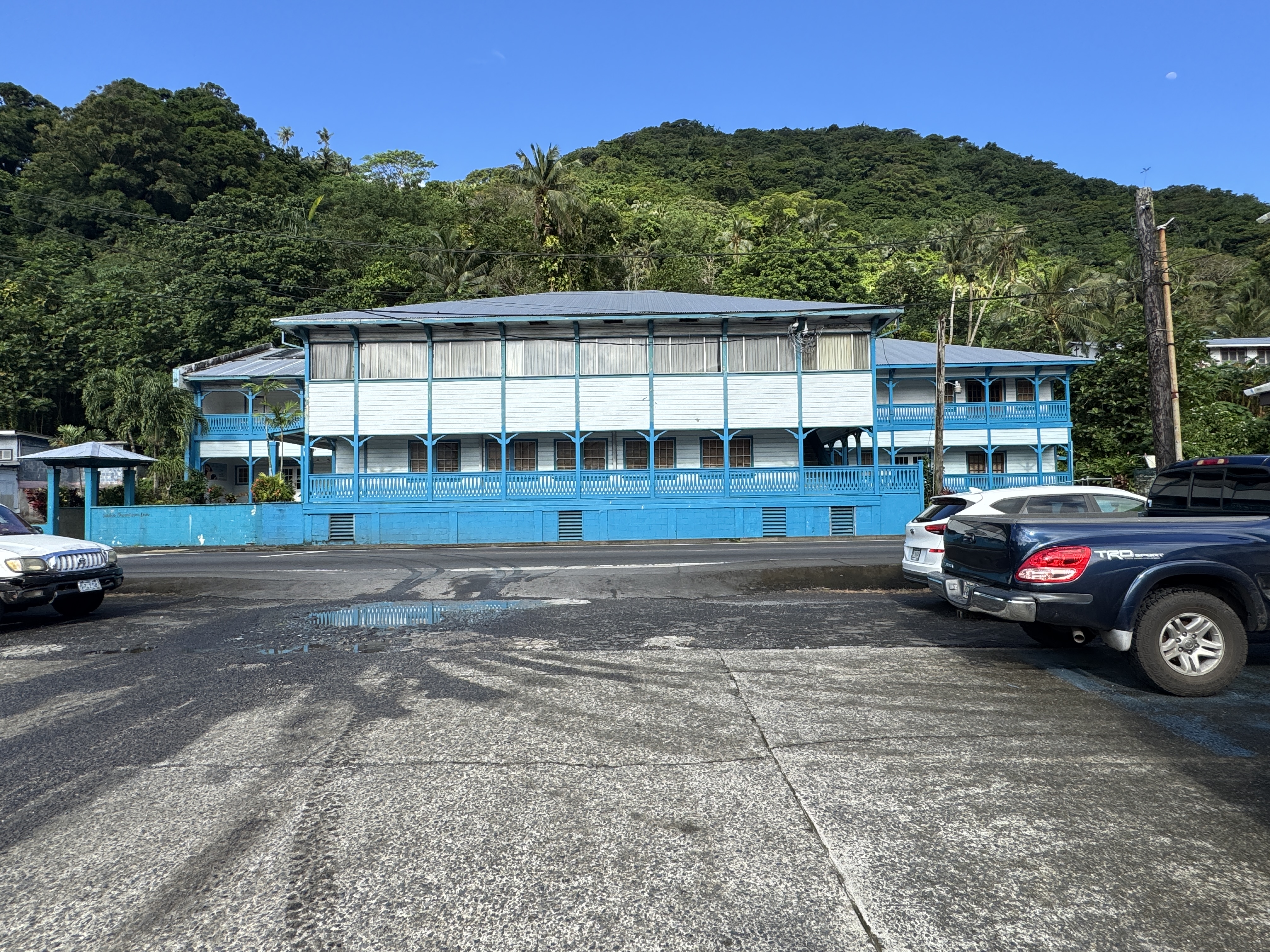
Max Haleck, son of Otto, added the wings. He eventually sold it to Tom Drabble who made it into the Sadie Thompson Inn.
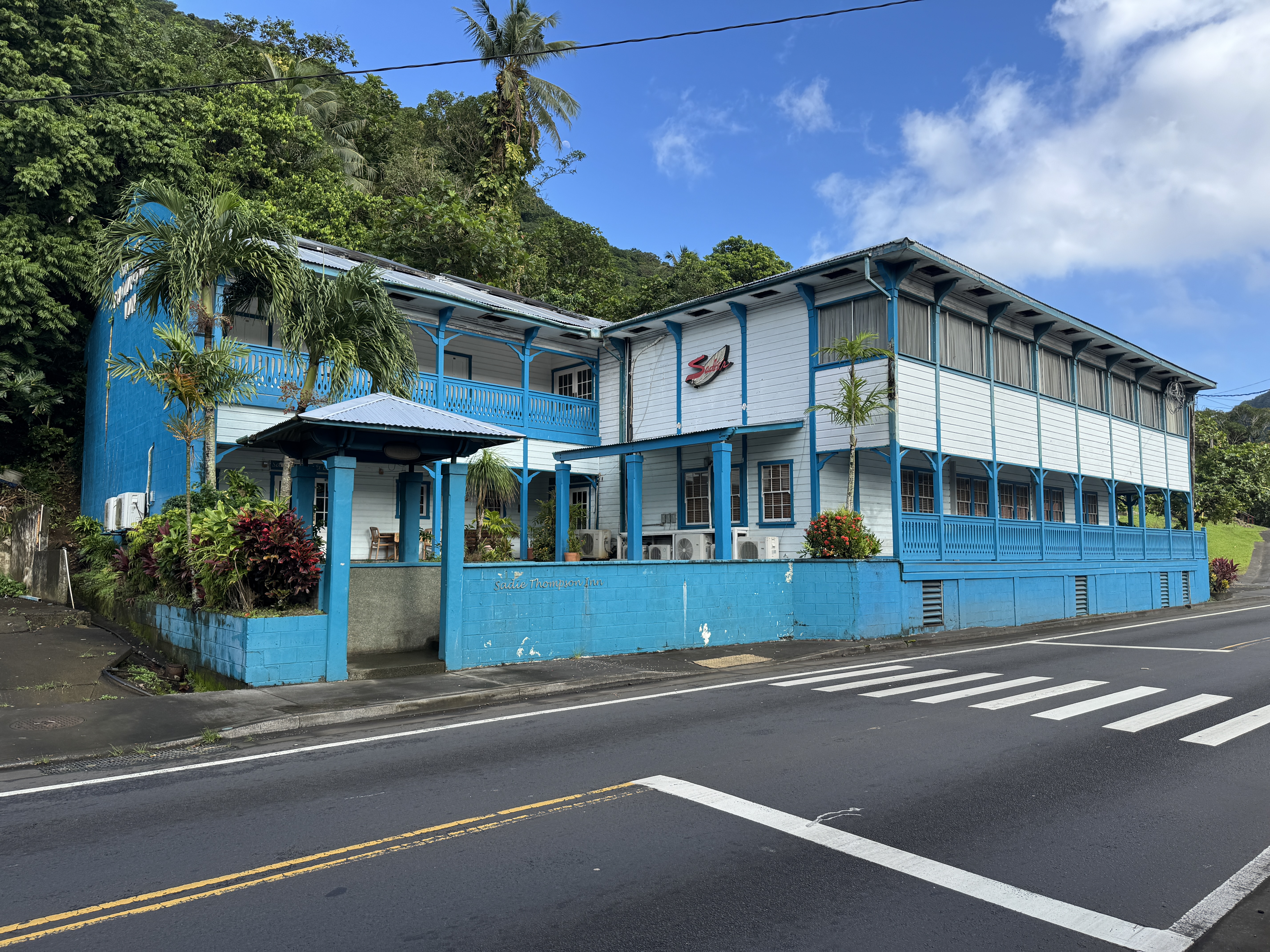
Another view.
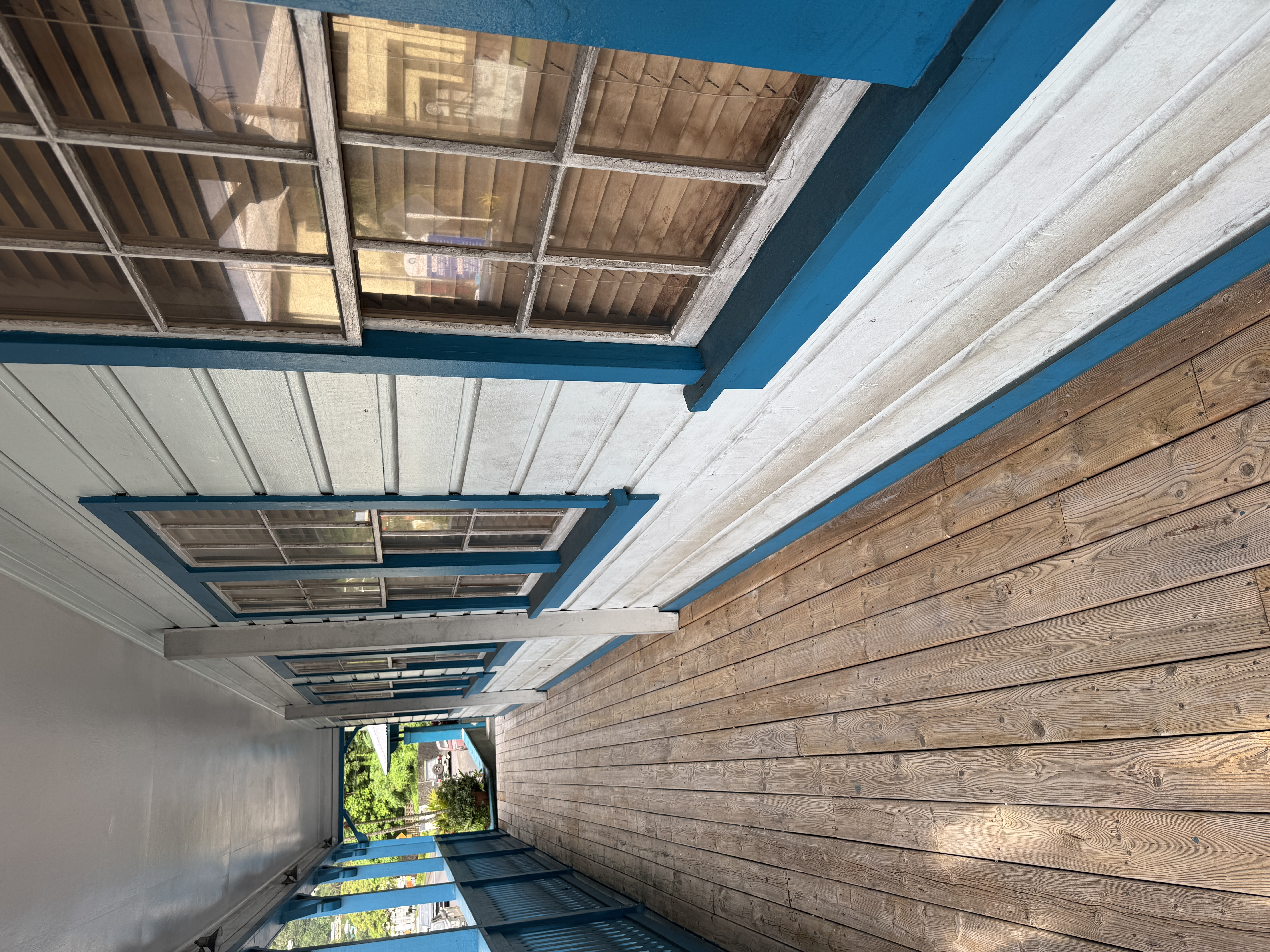
Another.
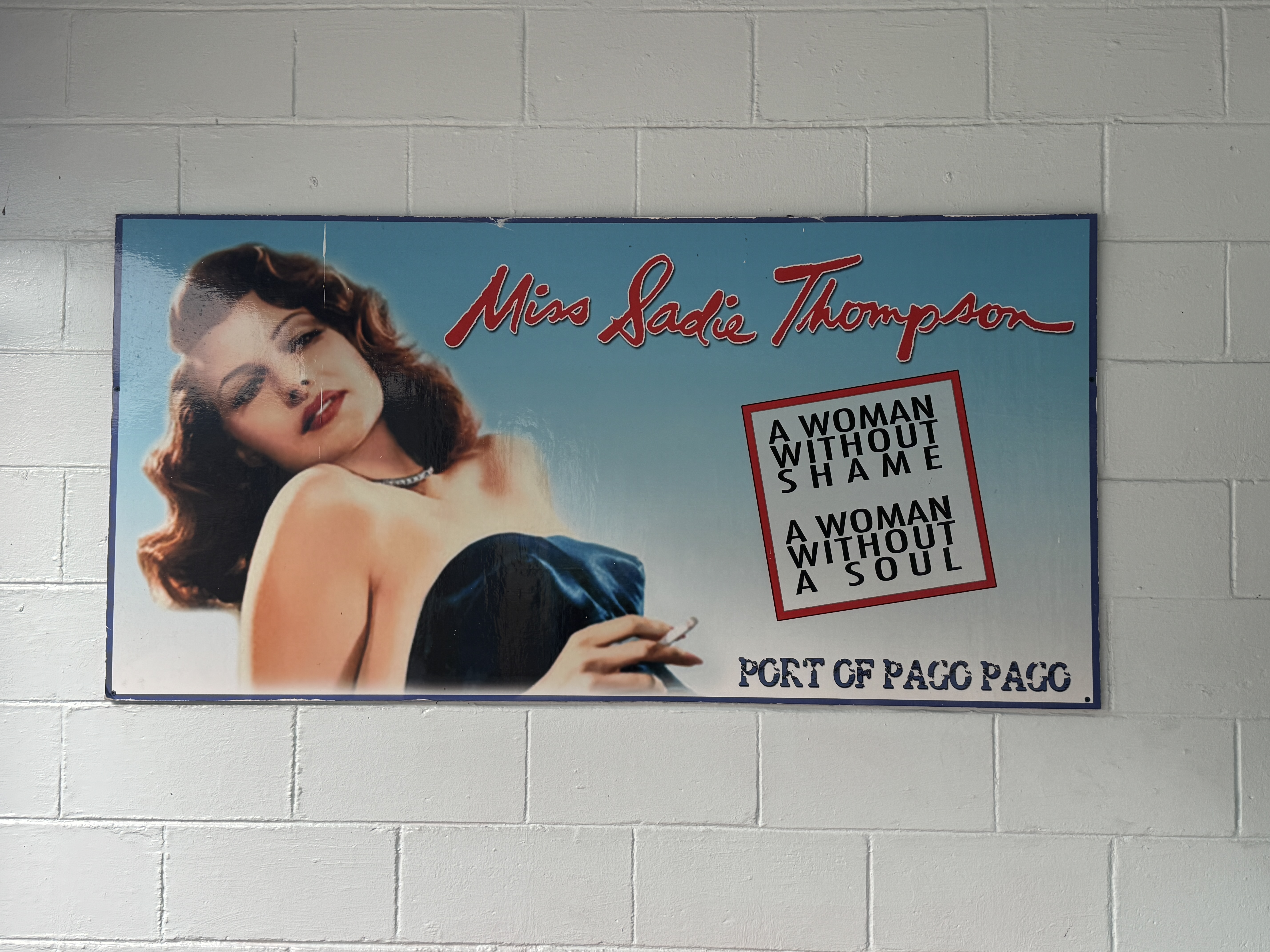
Rita Hayworth starred in one of several film adaptations of the Maugham story.
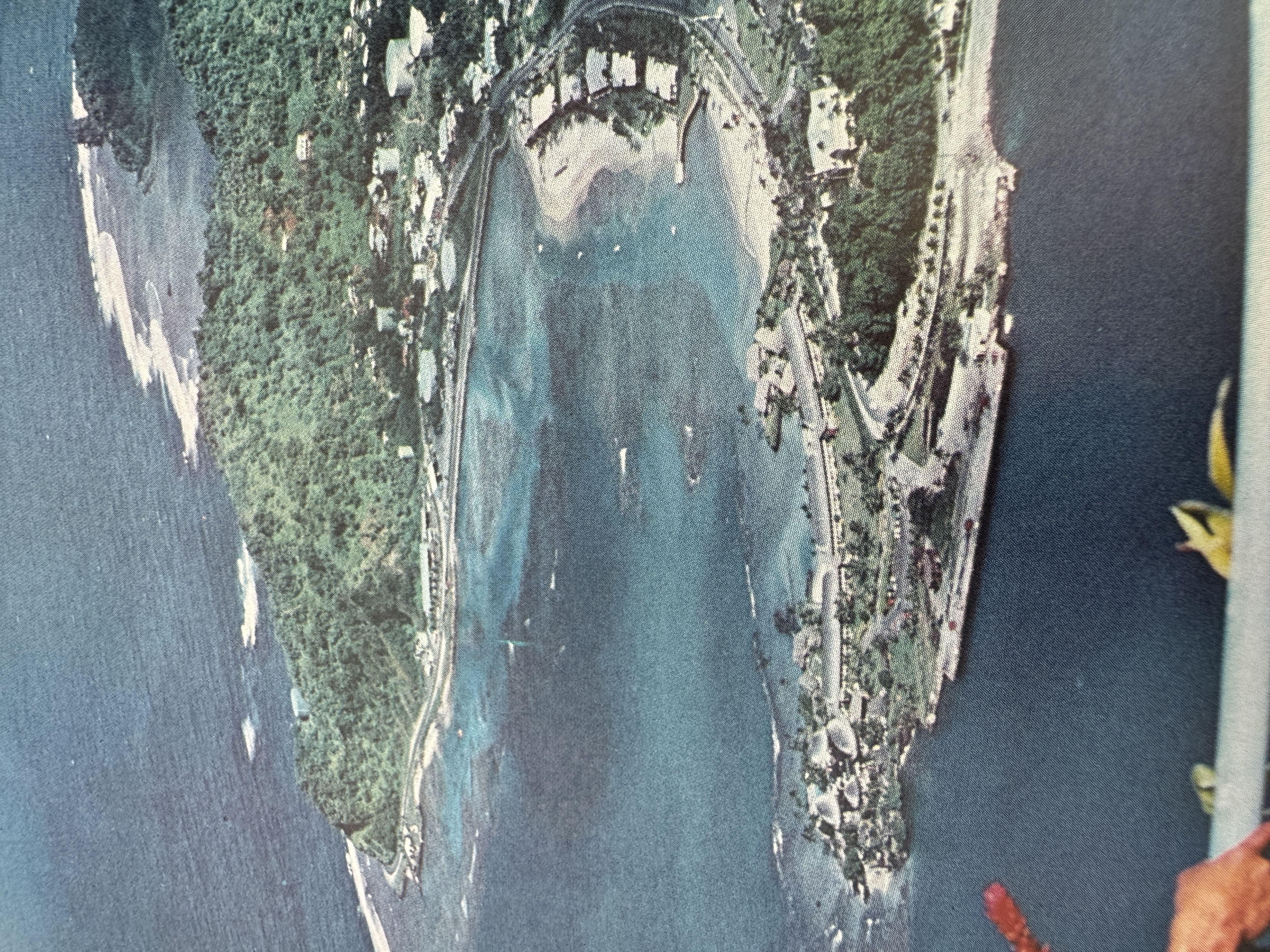
For a few years, visitors had a luxury choice. It was on the point below the governor's mansion (seen in the forest) and enjoyed the site formerly occupied by the Officer's Club.
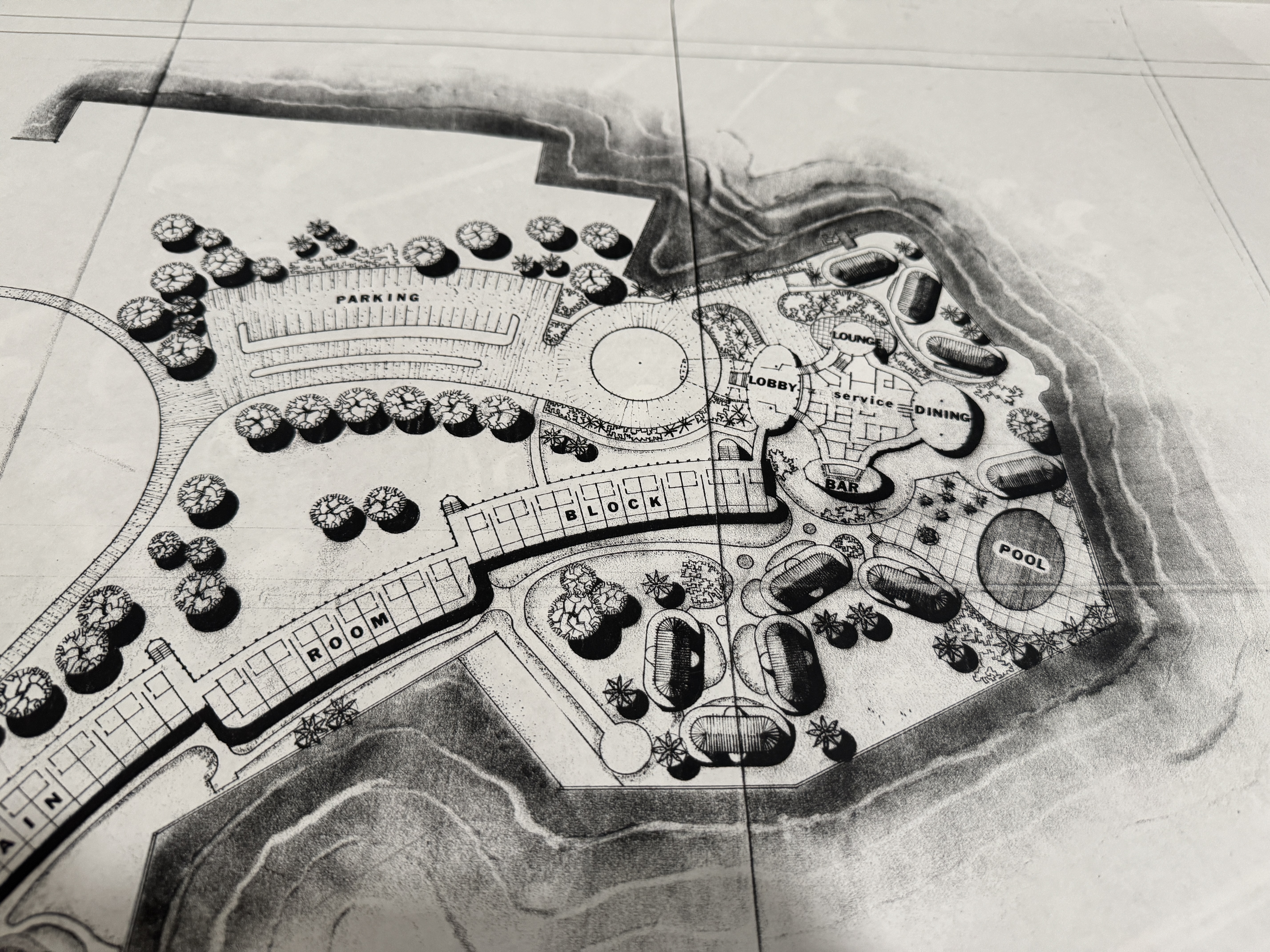
The architects were Wimberley, Whisenand, Allison, and Goo, prominent Honolulu hotel builders.
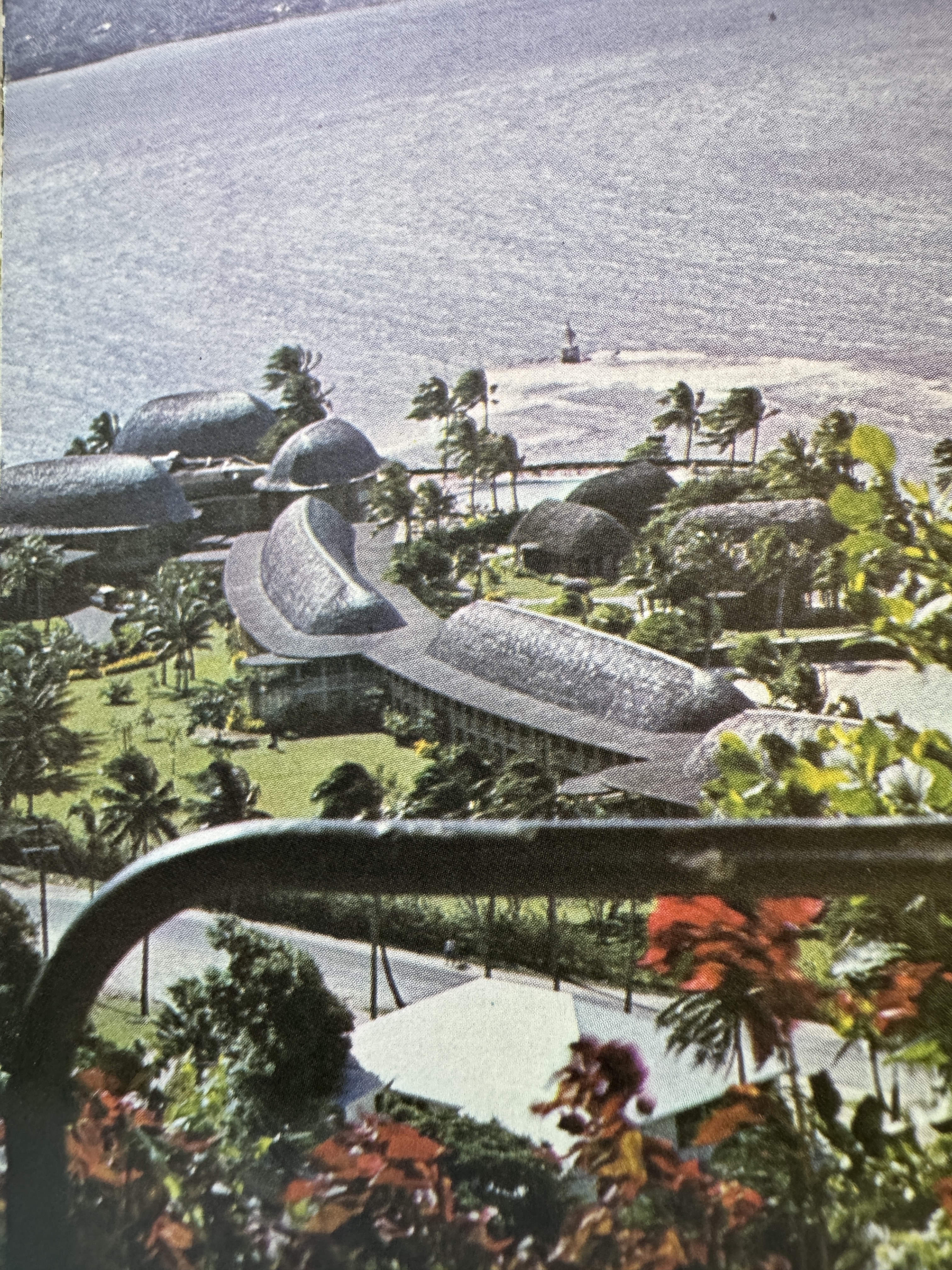
The hotel as it appears in Samoa, by Gregory Riethmaier and Richard A. Goodman, 1973, unpaginated. The building closest to the camera survives, minus its decorative roof.
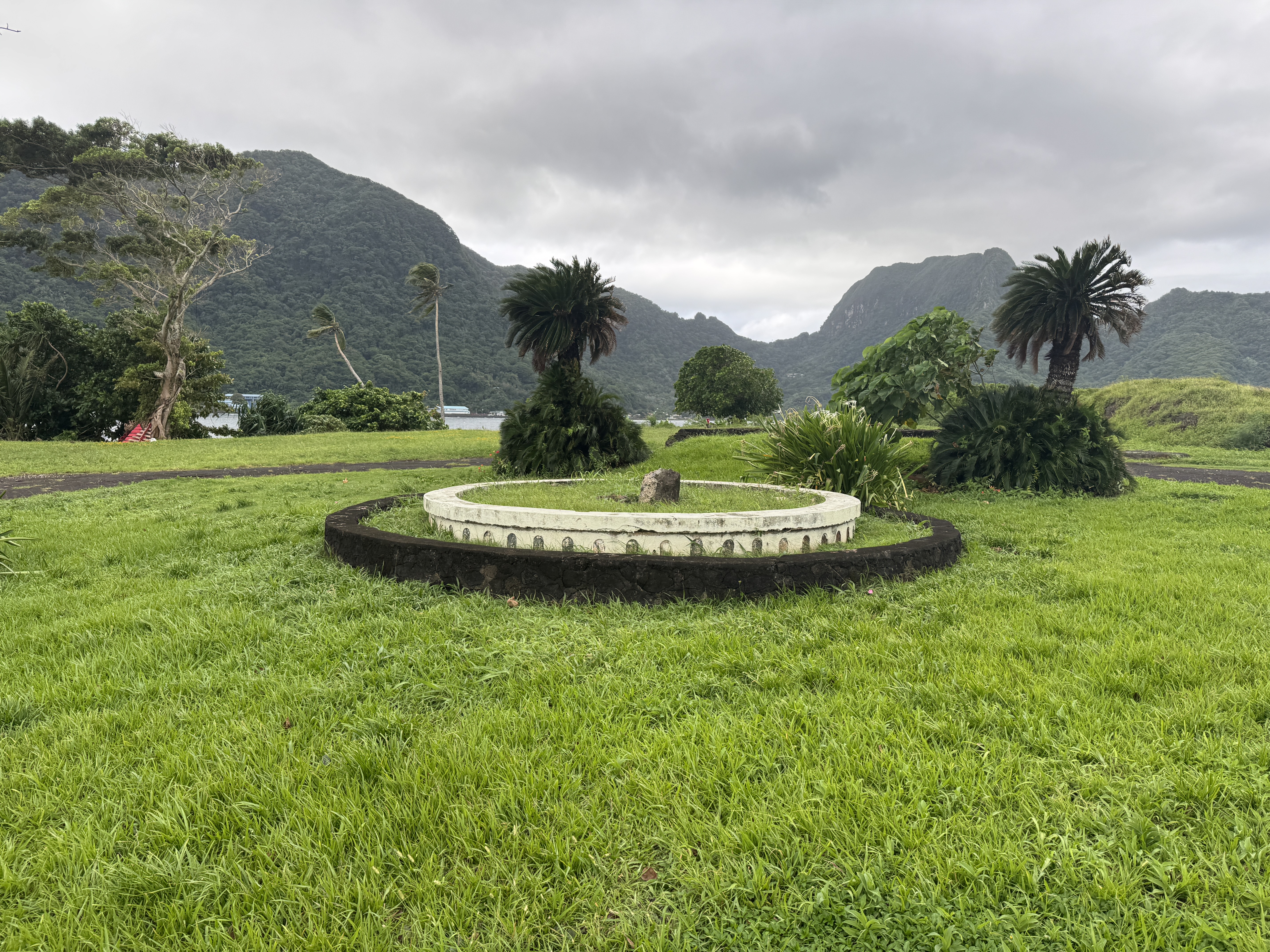
Here's the site today.
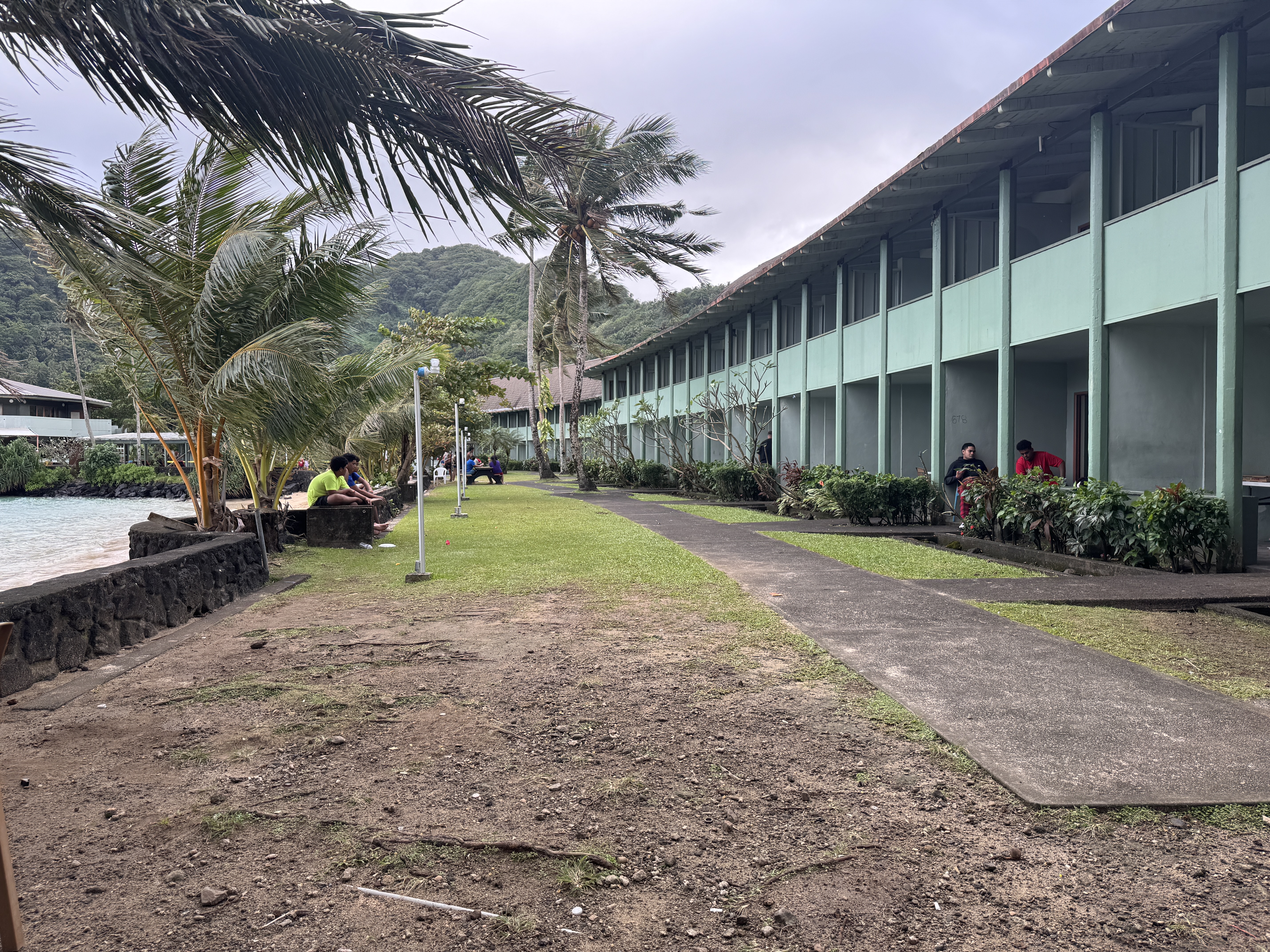
This wing survives as Sadie's By The Sea, owned by the the same Tom Drabble who owns the Sadie Thompson Inn.
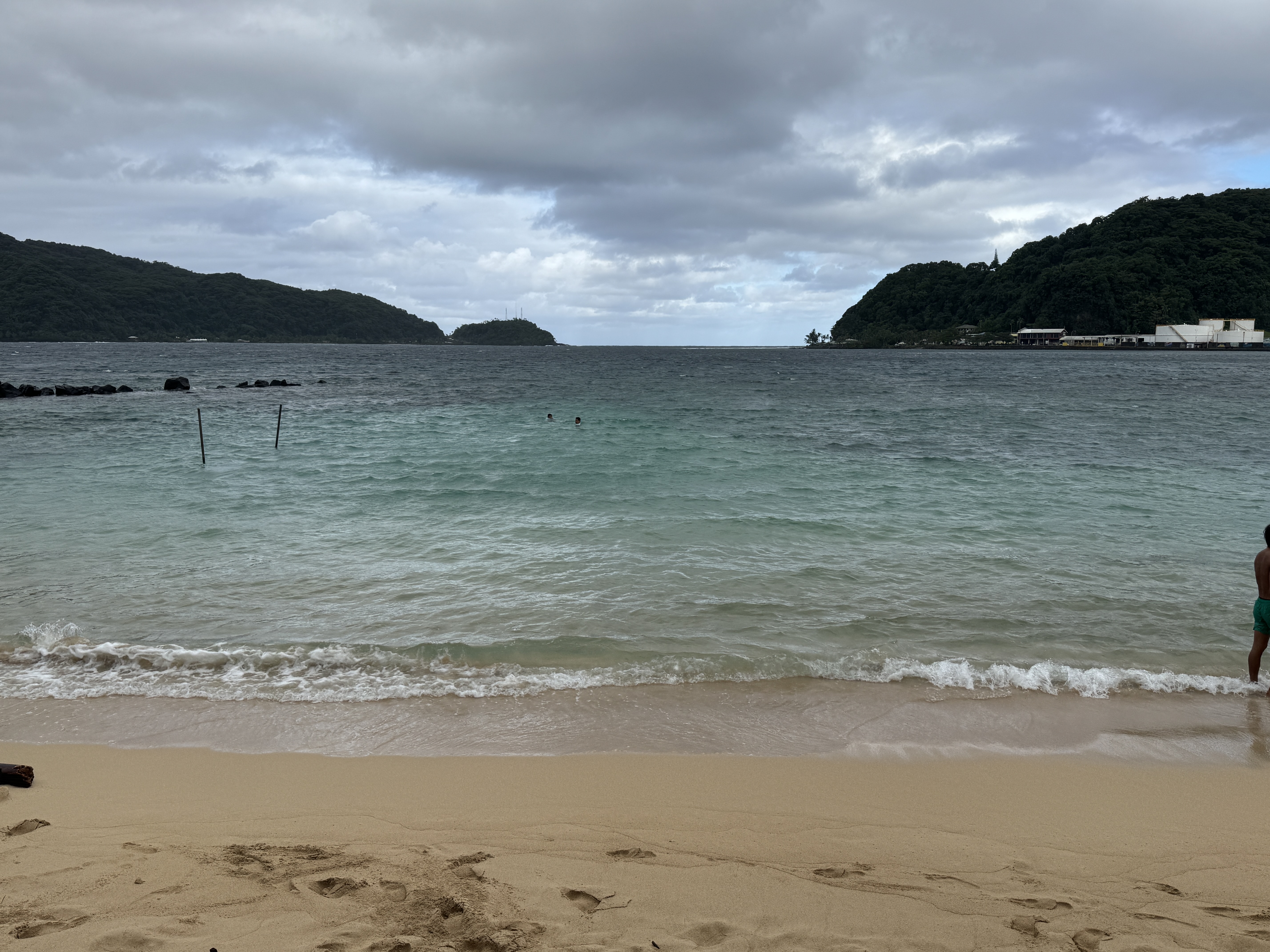
It does have a great beach.
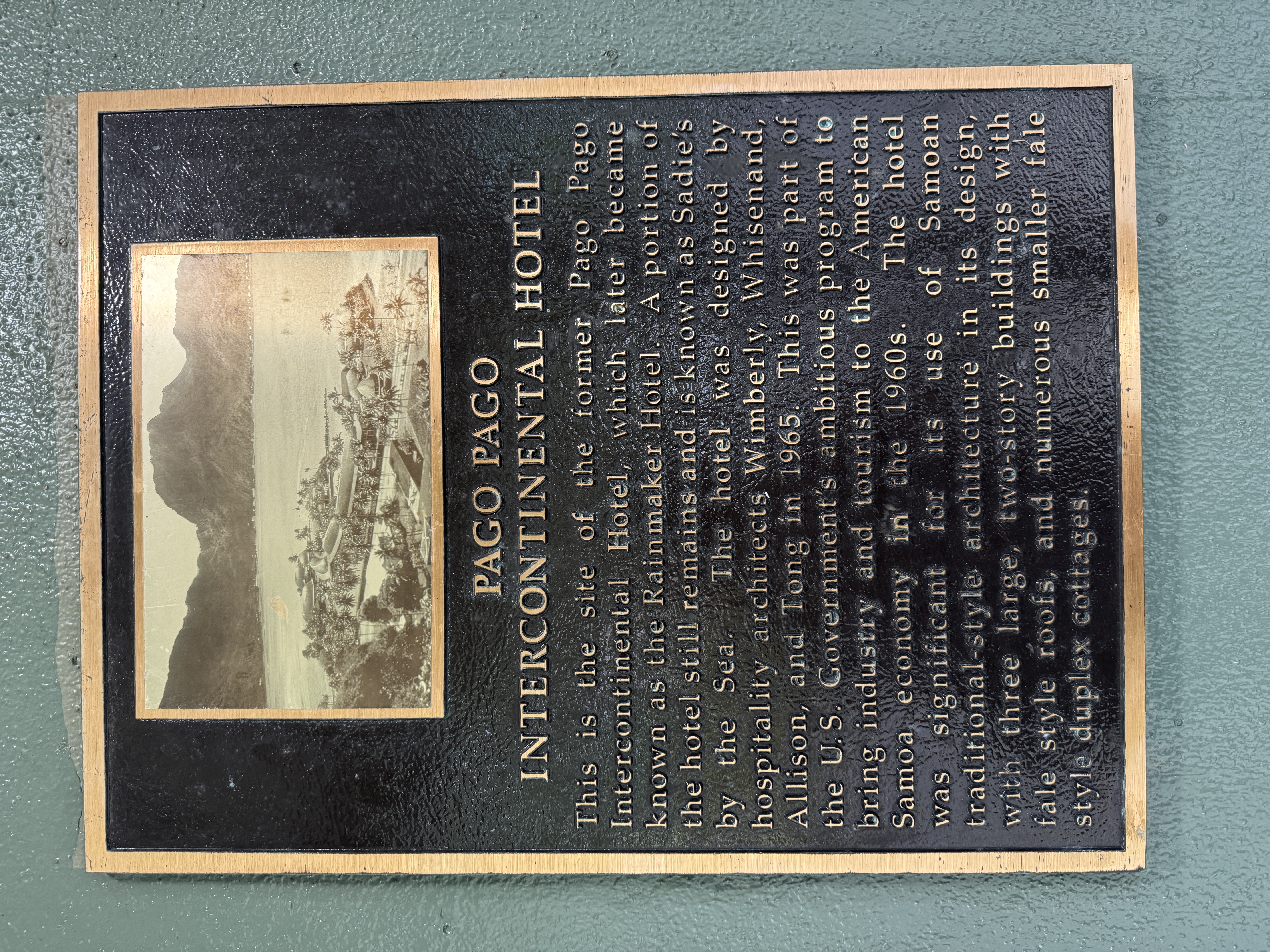
And this plaque.
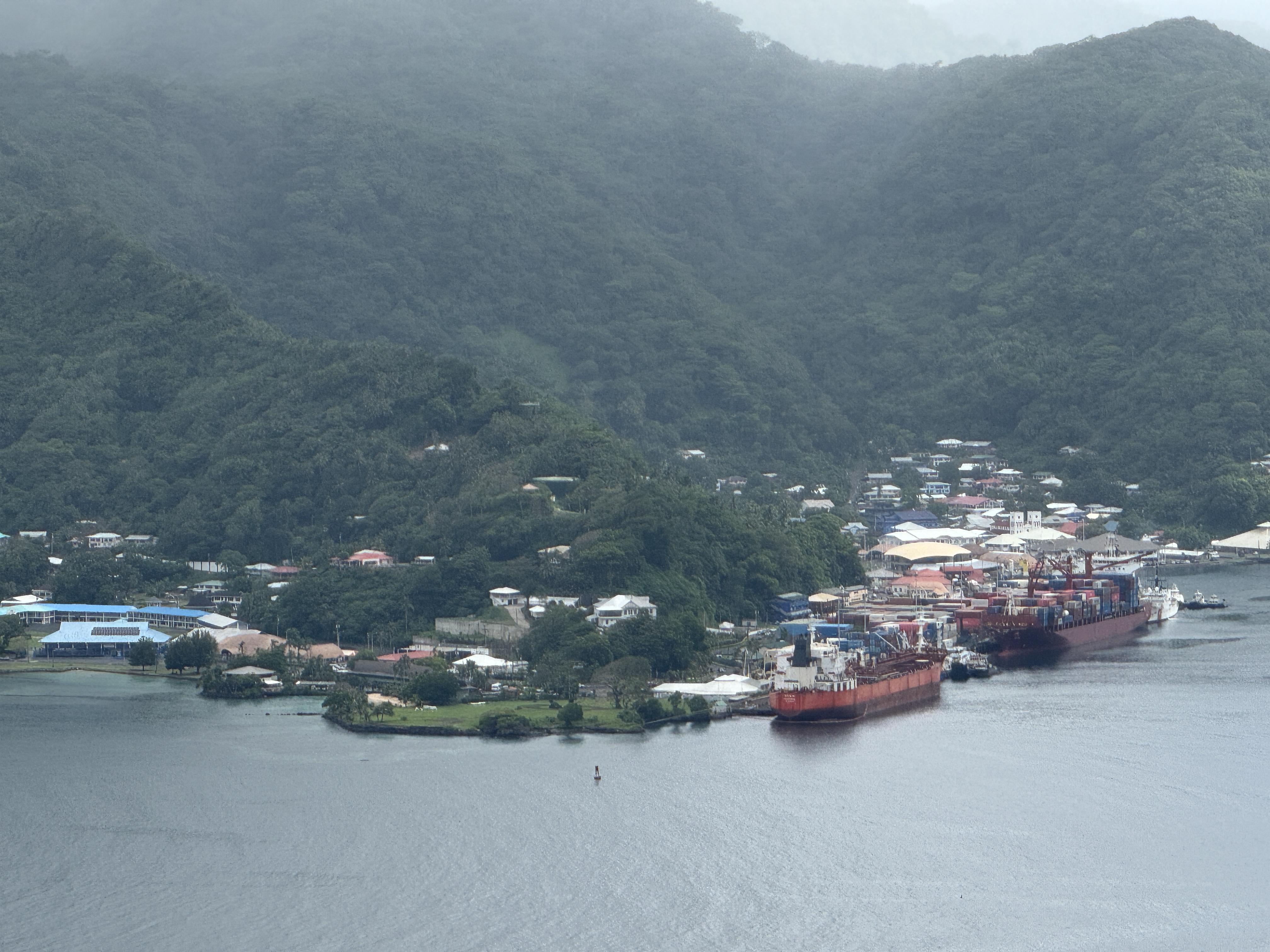
There's the patch of grass on which the hotel's public space sat. The blue roofs belong to the Samoana High School.
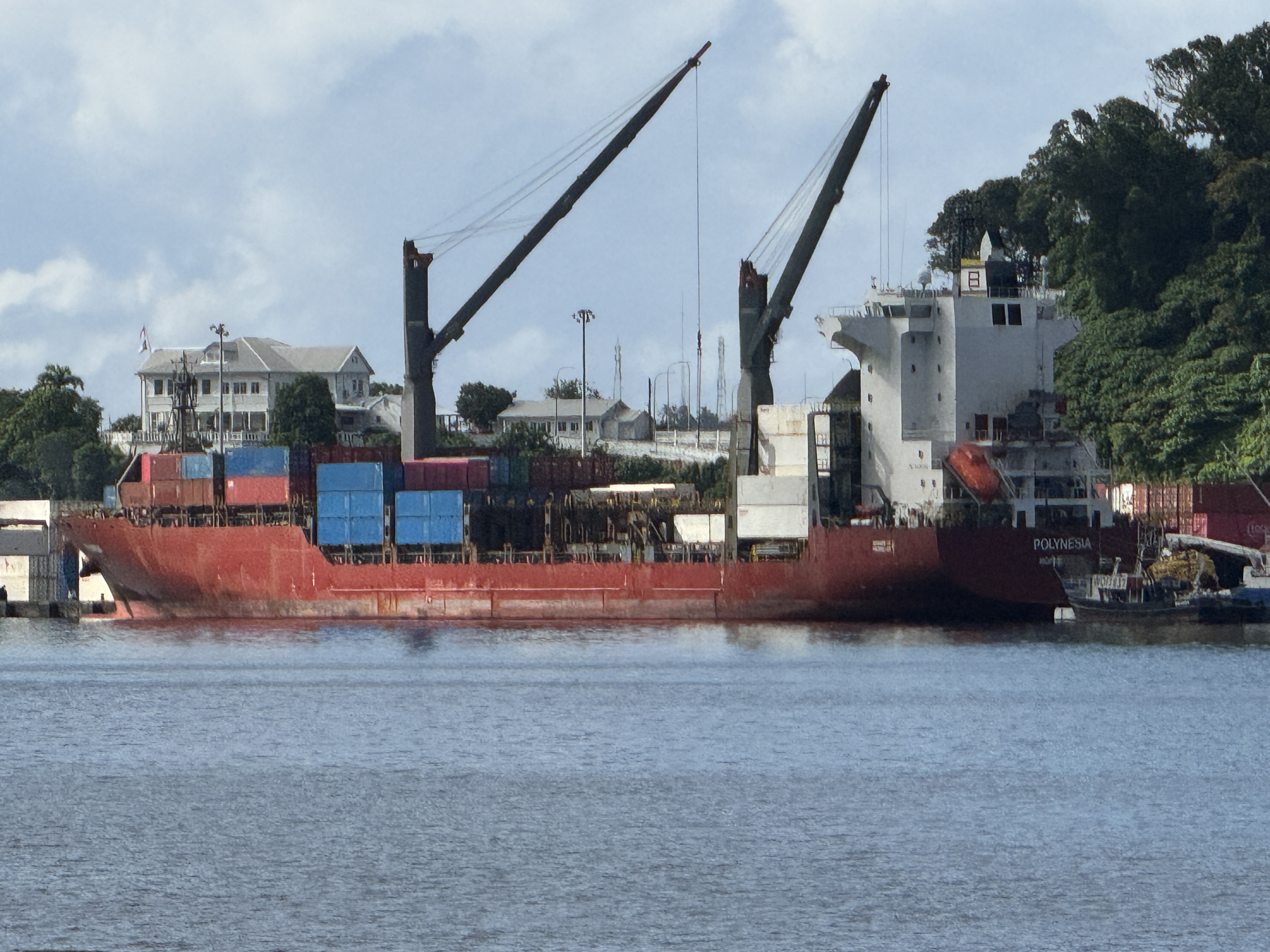
A geared container ship sits below the governor's mansion.
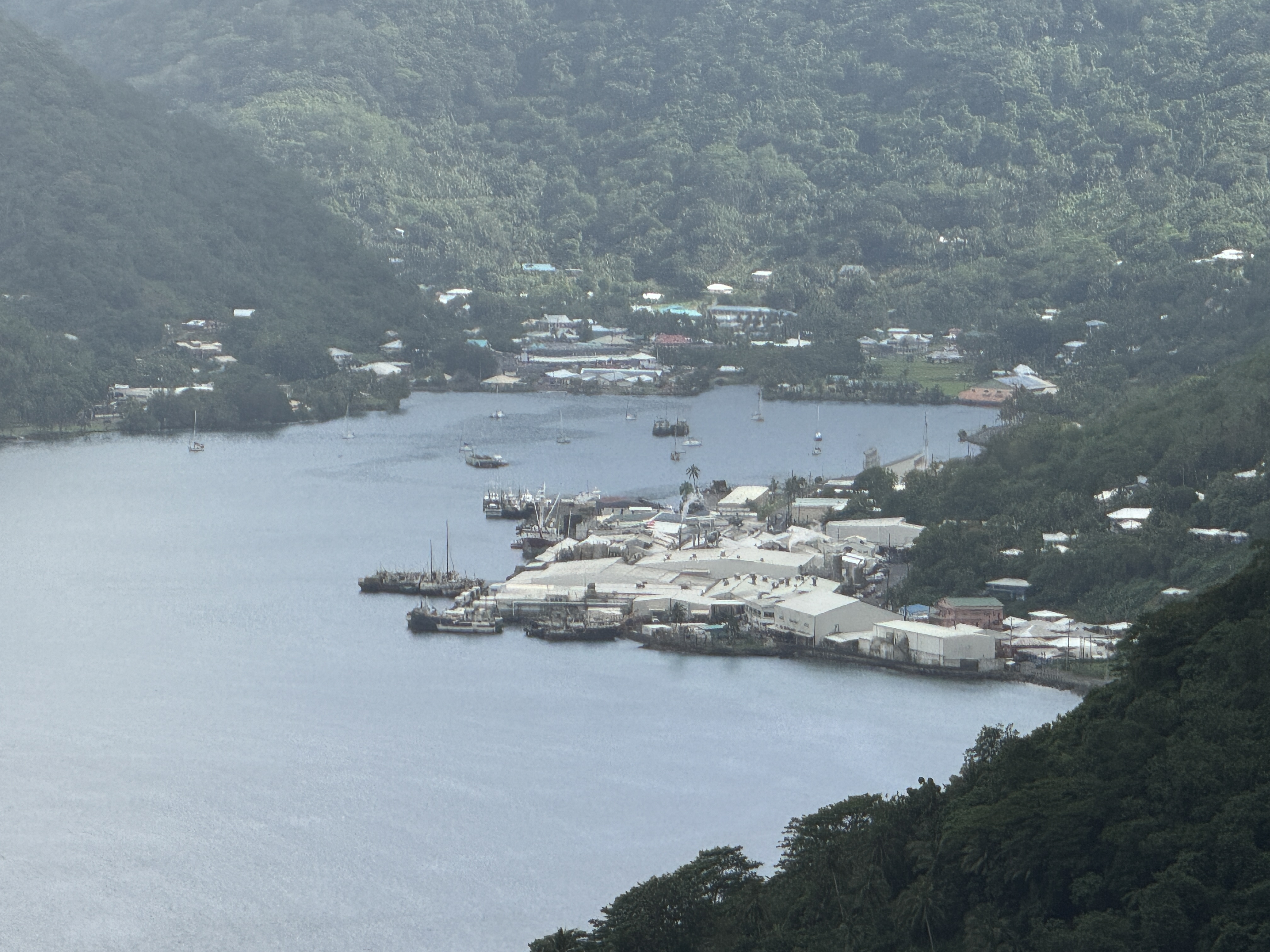
Across the water, the StarKist cannery is still in business. Gavin Bell probably visited during the rainy season, because he describes the scene as "a marine slaugherhouse with a hole in the roof" (Bell, p. 302).
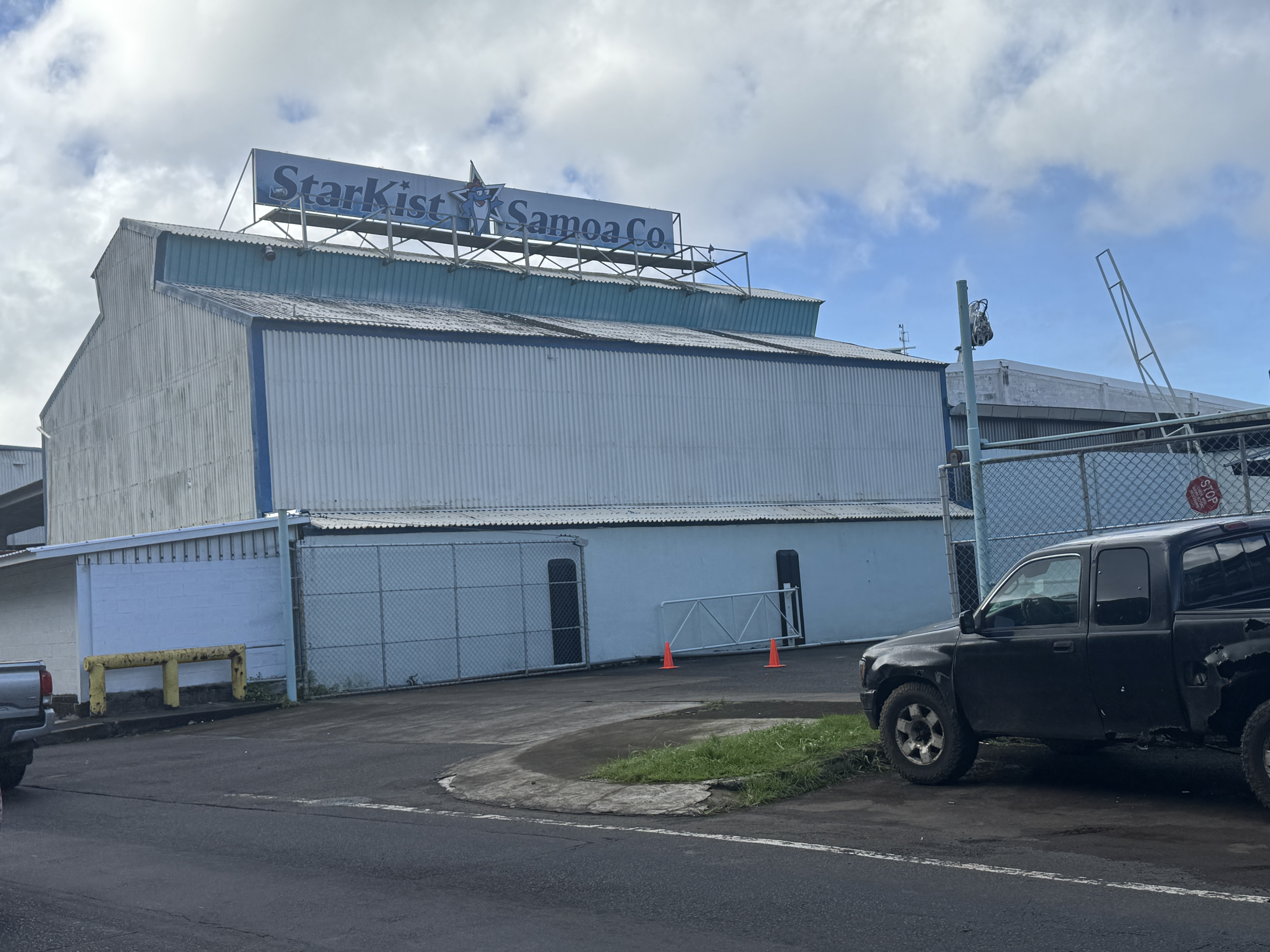
The cannery doesn't welcome visitors.
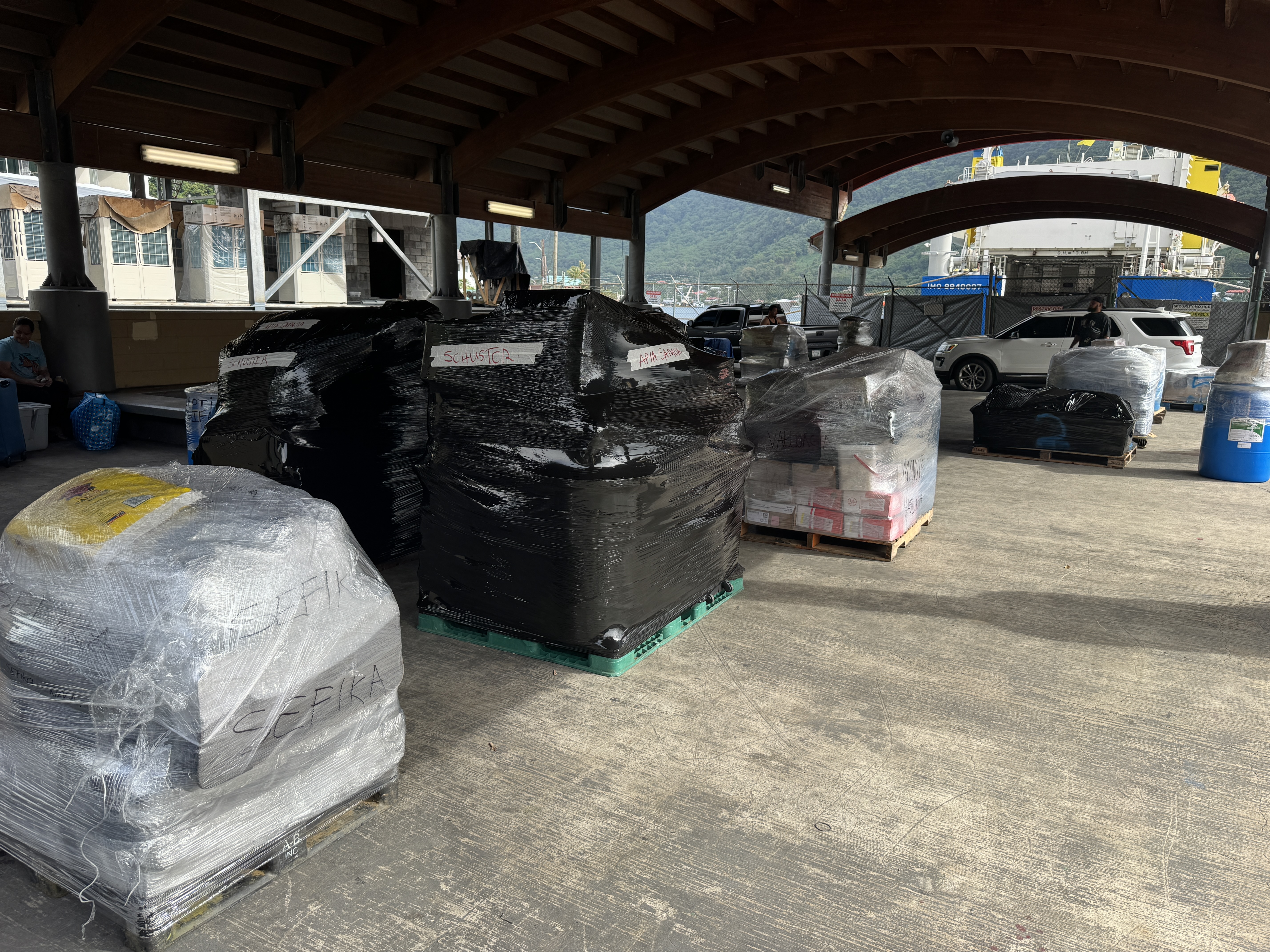
If you want to get on the water, your best bet is the ferry to Apia. Here, freight awaits loading.
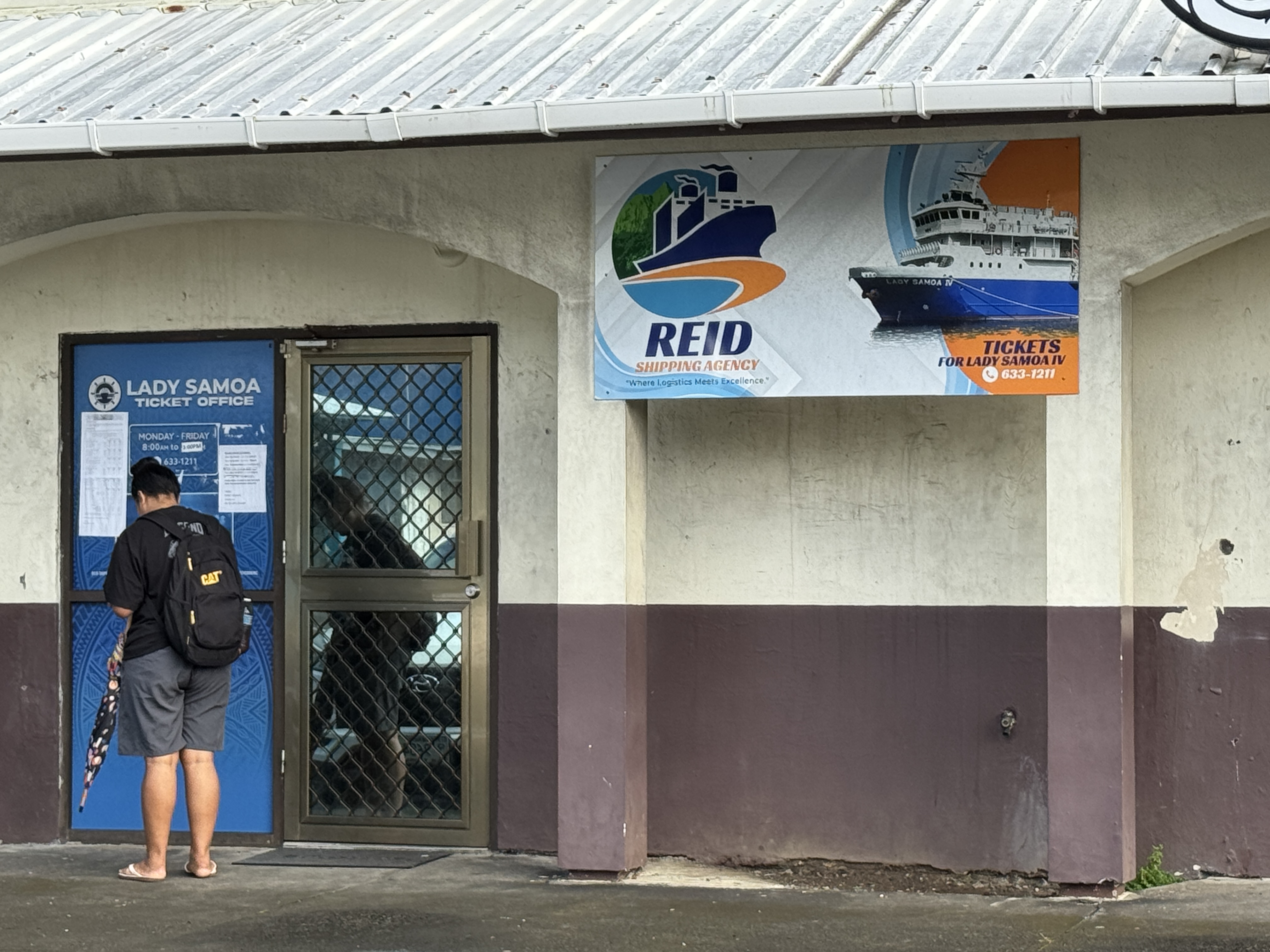
Tell me I'm not helpful.
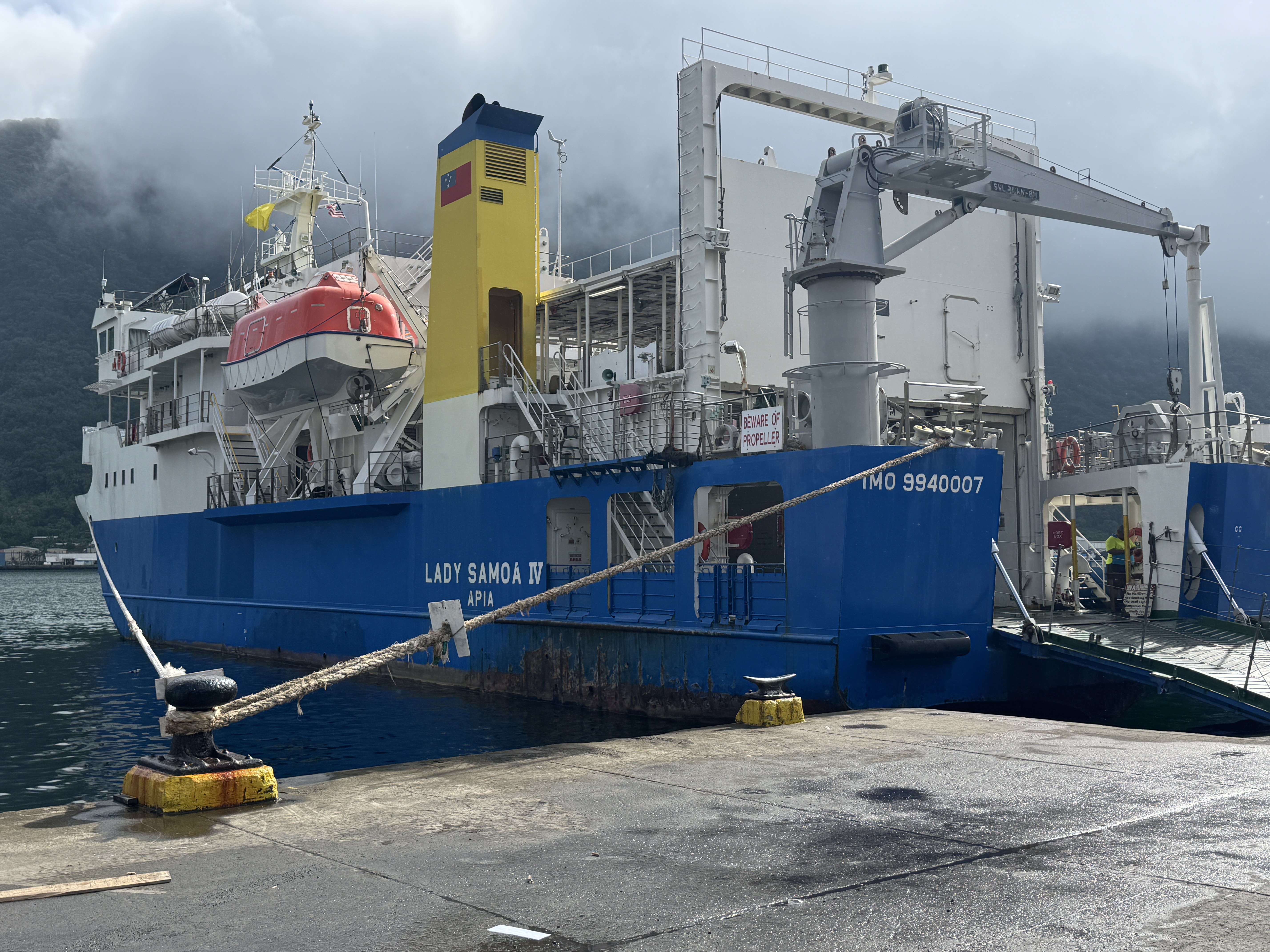
And here's your ride. The voyage takes 9 or 10 hours.